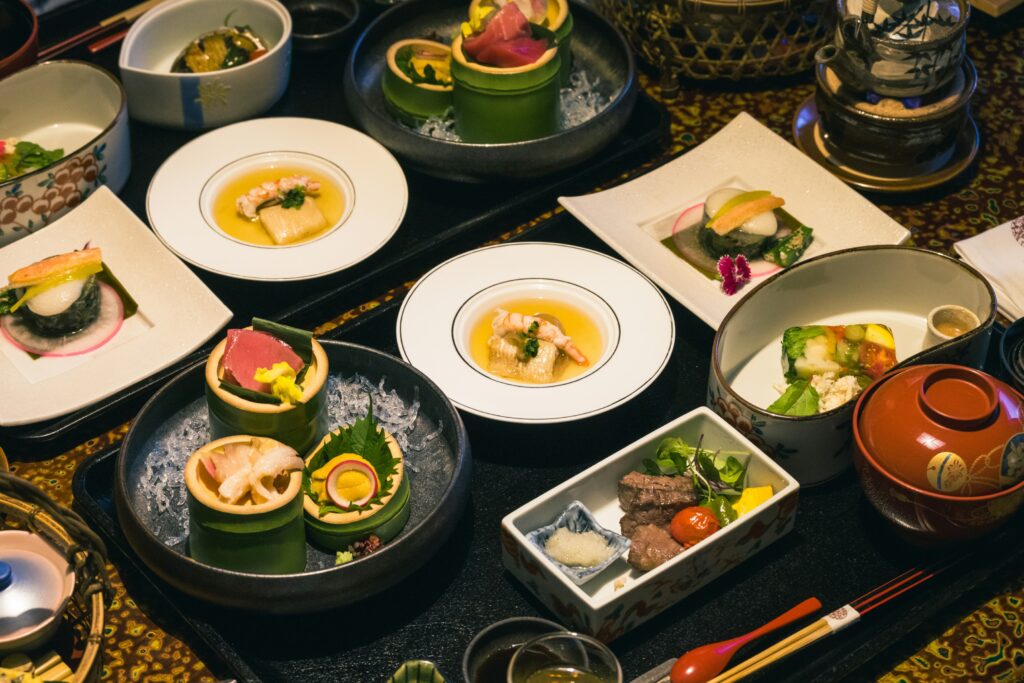
The first time you experience a Japanese kaiseki Singapore meal, it is easy to feel a little lost. It is not like other forms of dining. The room is quiet. The chef moves with a silent, focused grace. A series of small, beautiful dishes arrives, each one a miniature landscape on a carefully chosen plate. There is a rhythm to it, a story being told, but the language is one of subtlety—of temperature, texture, and the fleeting taste of seasonal ingredients.
To understand kaiseki dining in Singapore is to look beyond the plate. It is an art form, a philosophy, and the highest expression of Japanese cuisine tradition. It is a meal that engages all the senses and asks for a moment of quiet attention.
The Historical Origins of Kaiseki in Japanese Cuisine
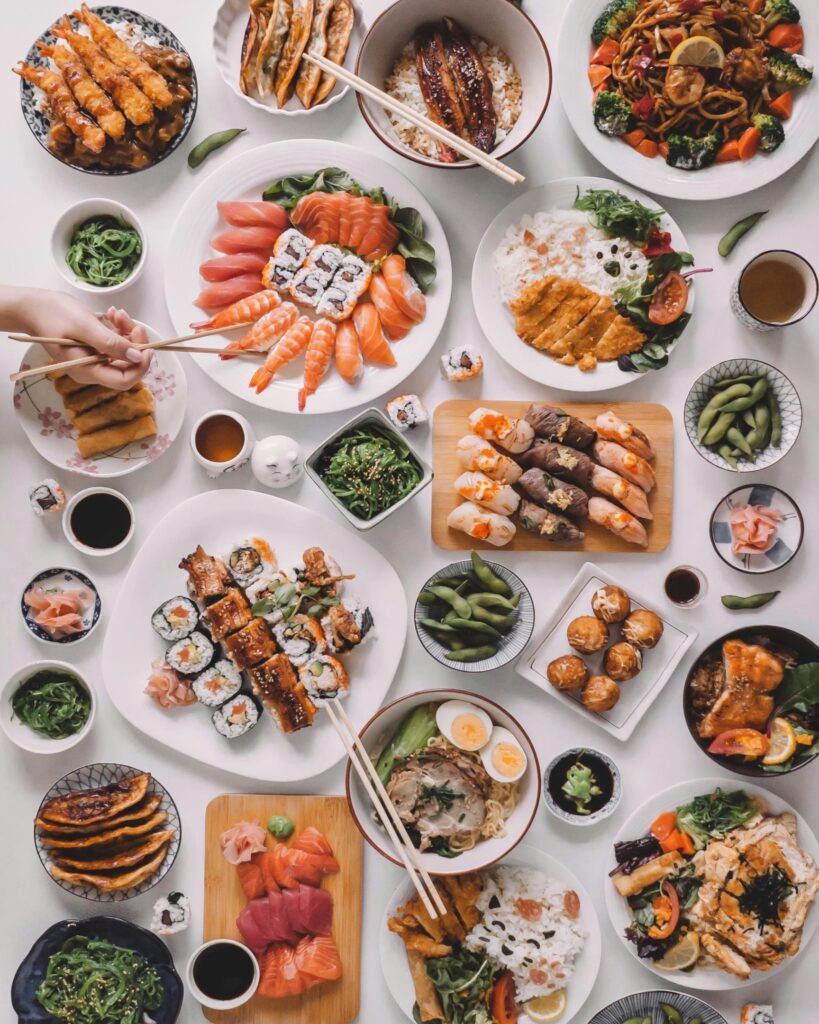
Kaiseki did not begin in a restaurant. Its roots are found in the quiet, contemplative world of the Japanese tea ceremony and Zen Buddhism. The word kaiseki (懐石) is composed of characters meaning “bosom-stone.” It refers to the practice of Zen monks placing warm stones in the folds of their robes to stave off hunger during long periods of meditation.
Originally, the food served during a tea ceremony, known as cha-kaiseki, was a simple, frugal meal intended to prepare the guest for the tea, not to be the main event. It consisted of a few light dishes—a bowl of soup, a small portion of rice, and a simple simmered or grilled item. The purpose was to warm the body and comfort the stomach without distracting from the primary focus: the tea.
Over centuries, this humble meal evolved. As Japan’s culinary arts flourished during the Edo period, chefs began to apply the principles of simplicity, seasonality, and balance from cha-kaiseki to a more elaborate dining format. This new style of meal, often written with different characters (会席), became a multi-course feast served at banquets and celebratory gatherings. Today, the two forms have merged, with modern kaiseki embodying both the spiritual restraint of the tea ceremony and the artistic sophistication of a culinary banquet.
Maetomo Japanese Cuisine Kaiseki: A Modern Take on Tradition
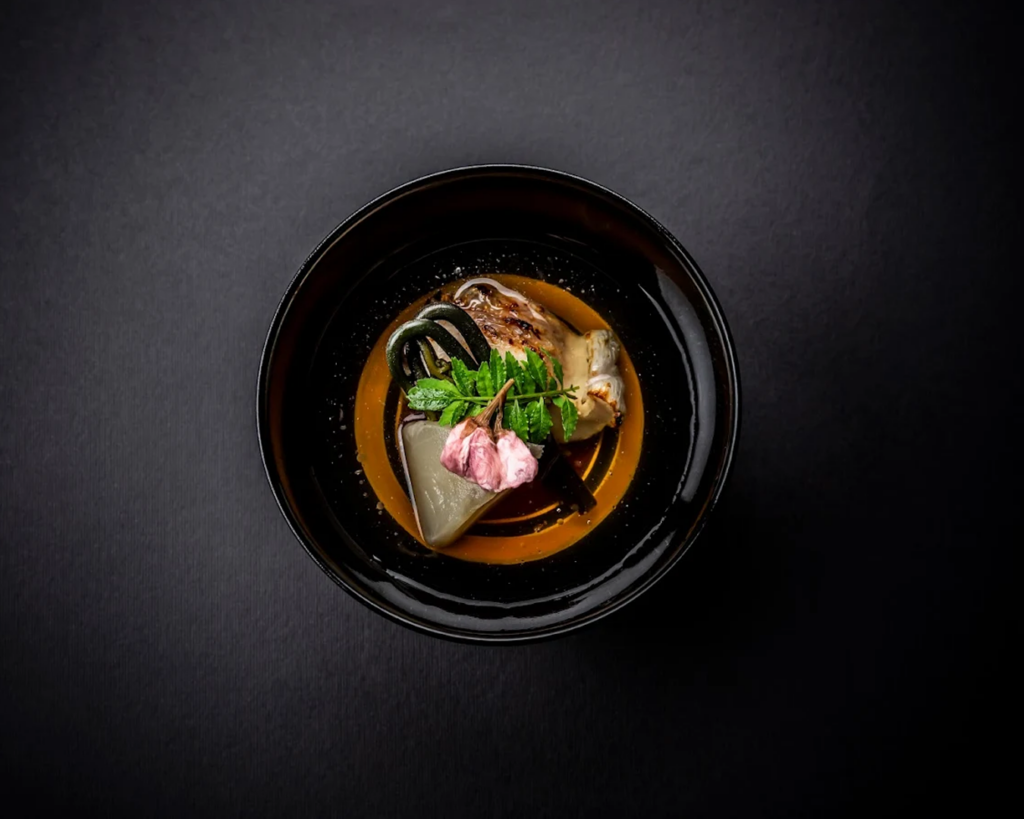
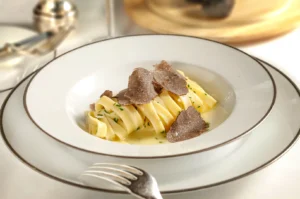
Among the notable kaiseki restaurants in Singapore, Maetomo Japanese Cuisine Kaiseki stands out for its innovative approach. Chef Maetomo Akihiro, born in Hiroshima, crafts a dinner menu that beautifully balances tradition and modernity. His dishes showcase seasonal ingredients such as charcoal-grilled Kagoshima A5 wagyu beef garnished with Japanese egg yolk and luxurious black truffles, and juicy tiger prawns dipped in tempura batter and fried to perfection.
At Maetomo, diners can savour an assortment of refined appetisers, sashimi, and grilled delicacies, all accompanied by carefully selected sake to enhance the umami and delicate flavours of each dish. The restaurant’s serene atmosphere and attention to detail provide guests with a memorable culinary journey that honours the essence of kaiseki dining.
Ushidoki Wagyu Kaiseki: Celebrating Ozaki Beef and Seasonal Ingredients
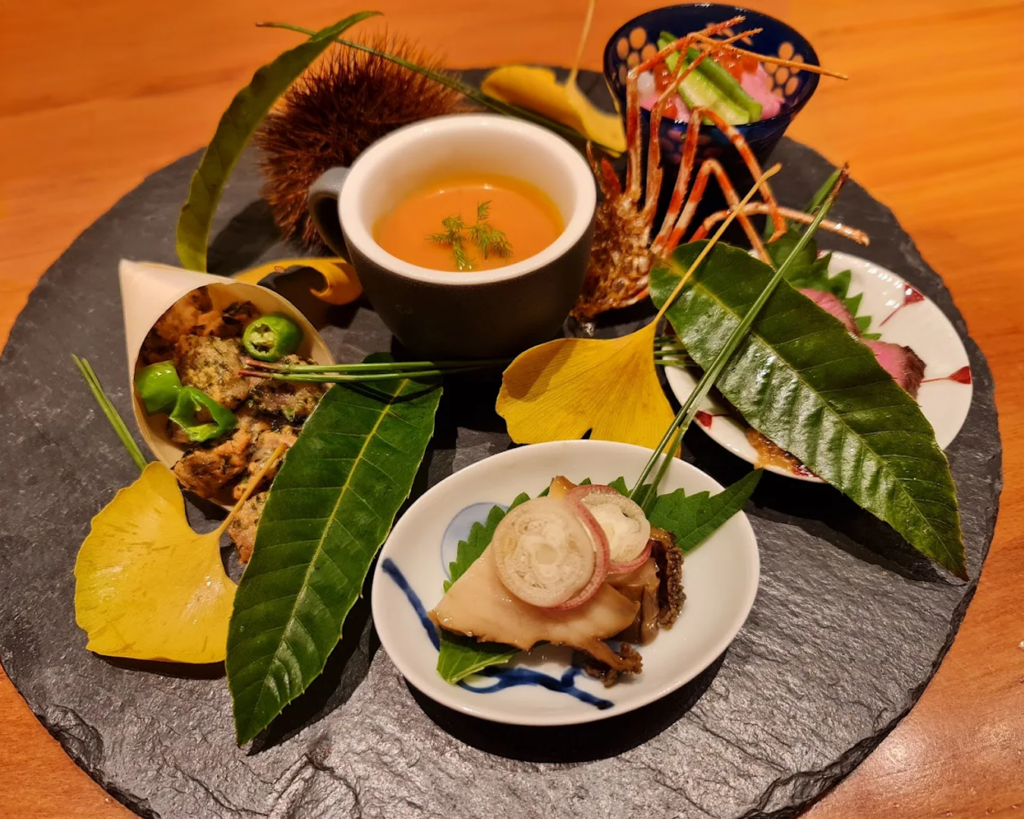
Another gem in Singapore’s kaiseki scene is Ushidoki Wagyu Kaiseki, helmed by Chef Hirohashi Nobuaki. This restaurant is renowned for its focus on Ozaki beef, a premium wagyu breed from Miyazaki, Japan, known for its exceptional marbling and balanced flavour. The beef is prepared using various techniques, including steaming, grilling over charcoal, and sukiyaki style, allowing diners to fully appreciate its rich texture and taste.
The dinner menu at Ushidoki also highlights the finest seasonal ingredients, from fresh fish and vegetables to expertly crafted sushi and sashimi courses. The use of delicate dashi broths and refined cooking methods showcases the chef’s passion and craft, offering guests an authentic taste of Japan’s culinary heritage.
Kaiseki Dining Experience: The Art of Course and Craft
A traditional kaiseki dining experience is a carefully orchestrated sequence of courses designed to whet the palate and take guests on a sensory journey. The meal typically begins with light appetisers and progresses through sashimi, grilled, simmered, and steamed dishes, concluding with rice, pickles, and a light dessert.
Each course is thoughtfully prepared to highlight the essence of the ingredients, often served on exquisite tableware that complements the season and the theme of the meal. The use of chopsticks is integral, and the timing of each course is meticulously planned to maintain harmony and balance.
Kaiseki Restaurants in Singapore: A Refined Culinary Culture
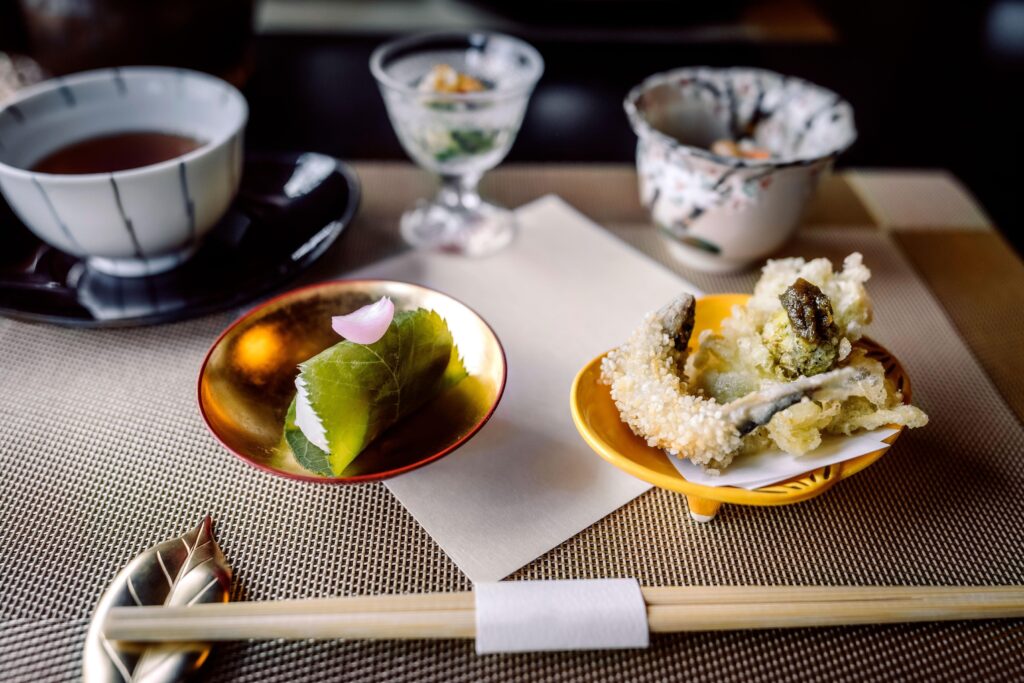
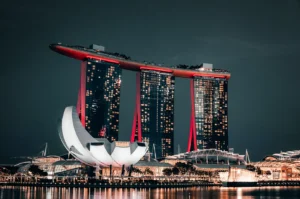
Singapore is home to a growing number of kaiseki restaurants, each bringing its own interpretation of this refined Japanese cuisine. Many offer private dining options, including private rooms, providing an intimate setting for special occasions. Locations such as Marina Square have become hubs for discerning food lovers seeking authentic kaiseki experiences.
Among these establishments, some are part of renowned groups like the Les Amis Group, which is known for its dedication to excellence and authenticity in Japanese fine dining. These restaurants emphasize the use of fresh, seasonal ingredients flown in from Japan, including prized selections from Hokkaido and Tokyo markets, ensuring that every meal is a celebration of culture, passion, and perfection.
The Role of Sake and Seasonal Ingredients in Kaiseki
Sake plays a pivotal role in complementing the complex flavours of a kaiseki meal. From delicate junmai daiginjo to richer, full-bodied varieties, sake is carefully paired with each course to enhance the dining experience.
The reliance on seasonal ingredients is what sets kaiseki apart from other dining styles. Whether it is the fresh mountain vegetables of spring, the bounty of the sea in summer, or the earthy richness of autumnal mushrooms, each dish is a reflection of nature’s blessings. This connection to the seasons is what gives kaiseki its timeless appeal and makes every visit a unique culinary journey.
The Importance of Presentation and Ambiance in Kaiseki Dining
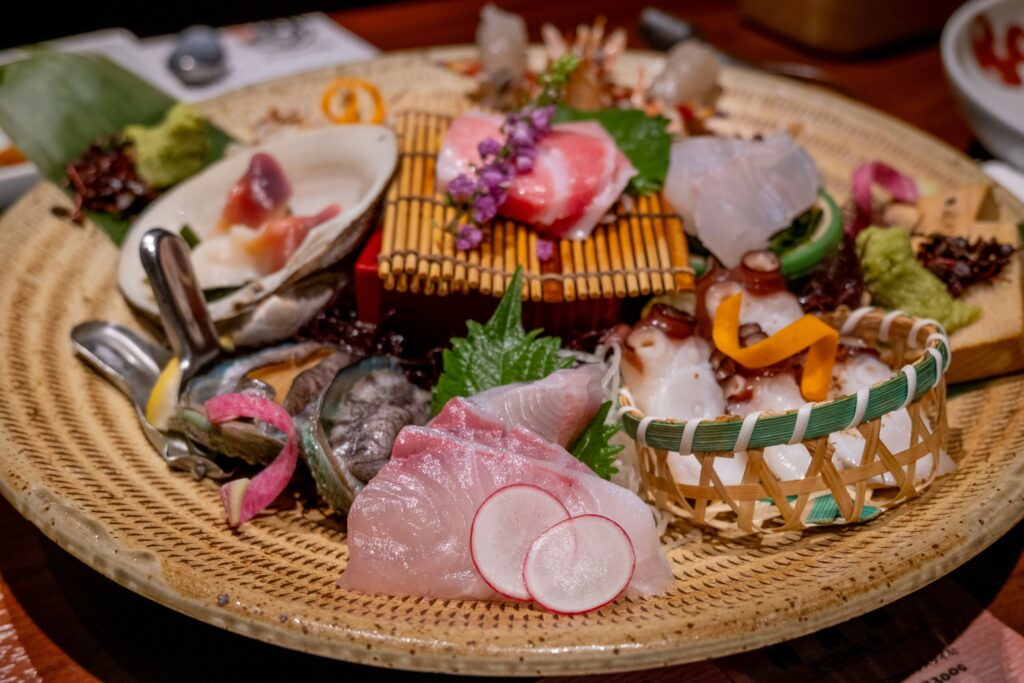
In kaiseki dining, the presentation of each dish is as important as its taste. Chefs meticulously select plates, bowls, and utensils that reflect the season and complement the food’s colors and textures. This attention to detail transforms the meal into a multisensory experience, where the artistry of plating enhances the flavour and enjoyment.
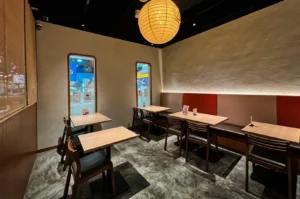
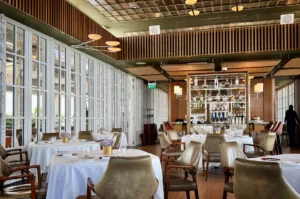
The ambiance of the restaurant also plays a crucial role. Many kaiseki restaurants in Singapore are surrounded by serene decor inspired by Japanese aesthetics, creating a tranquil environment that allows diners to fully immerse themselves in the experience. The use of natural materials, soft lighting, and carefully curated music contributes to a sense of calm, reinforcing the philosophy of omotenashi, or wholehearted hospitality.
Seasonal Menus and the Chef’s Creative Vision
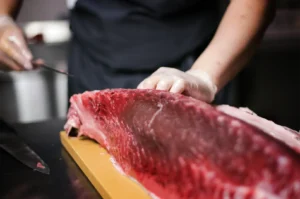
One of the delights of kaiseki dining is the ever-changing menus that reflect the seasons. Chefs spend hours sourcing the freshest ingredients, often collaborating directly with farmers and fishermen to ensure quality and authenticity. The emphasis on seasonality means that no two visits are exactly alike, with dishes inspired by the bounty of the moment.
Chefs like those at Maetomo Japanese Cuisine Kaiseki and Ushidoki Wagyu Kaiseki bring their own creative vision, blending traditional techniques with personal touches. This fusion results in dishes that are both authentic and innovative, showcasing the depth and versatility of Japanese cuisine.
Dining Etiquette and Enhancing the Kaiseki Experience
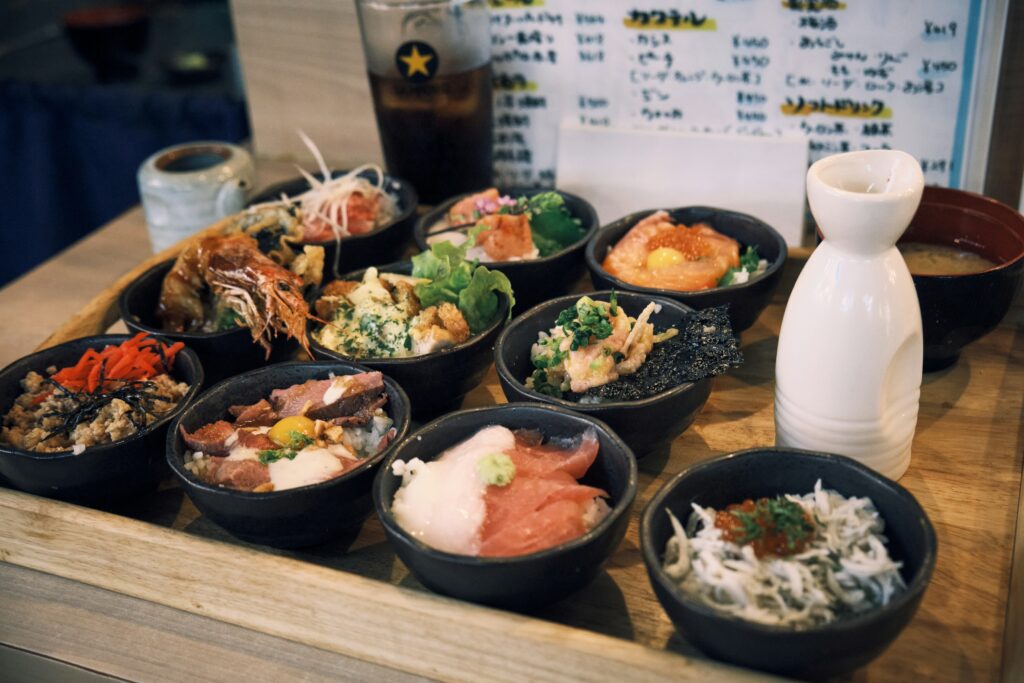
To fully appreciate a kaiseki meal, understanding the dining etiquette can enhance the experience. The pace of the meal is deliberate, encouraging guests to savor each course slowly. It is customary to use the provided chopsticks carefully and to appreciate the craftsmanship behind each dish.
Engaging with the chef or staff about the ingredients and preparation methods can deepen one’s appreciation. Many kaiseki restaurants in Singapore offer the opportunity to interact with the chef, especially in intimate settings or private rooms, making the meal a truly personalized culinary journey.
Elevating the Experience with Caviar and Exclusive Ingredients
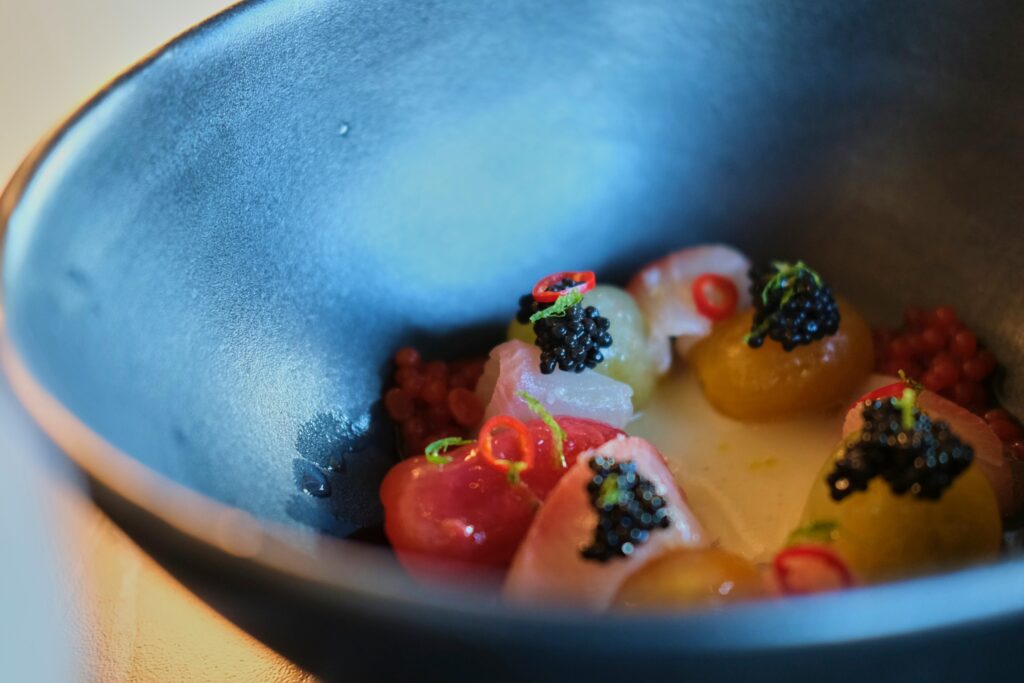
Some of the finest kaiseki restaurants in Singapore elevate their offerings with luxurious ingredients such as caviar, adding an indulgent touch to certain courses. These rare delicacies complement the delicate flavors of seasonal seafood and premium wagyu, creating a harmonious balance that delights the palate.
The thoughtful inclusion of such exclusive ingredients enhances the overall dining experience, making it a favourite choice among discerning food enthusiasts seeking an extraordinary table setting and impeccable service.
Conclusion: Expect an Authentic and Refined Kaiseki Dining Experience
For those looking to eat at the pinnacle of Japanese culinary art, Japanese kaiseki Singapore offers an unparalleled experience. From the delicate sashimi to the perfectly grilled beef, every dish is a testament to the chef’s skill and dedication to tradition.
Whether you choose the innovative flavors of Maetomo Japanese Cuisine Kaiseki or the exquisite Ushidoki Wagyu Kaiseki, expect a meal that is not only a feast for the palate but also an immersion into the rich culture and artistry of Japan. With options for lunch and dinner, and the availability of private rooms for an exclusive setting, these restaurants promise an unforgettable journey through the heart of kaiseki dining in Singapore.
Embrace the opportunity to explore this refined art of Japanese dining, where every course, every ingredient, and every moment is crafted with passion, precision, and respect for nature’s bounty. Whether on a Saturday evening surrounded by friends or a quiet Sunday celebration, kaiseki dining in Singapore invites you to savour the true essence of Japan’s culinary heritage.
For those interested in exploring more about the finest kaiseki experiences, be sure to check out our comprehensive article, “Best Kaiseki Singapore: Complete Guide to Premier Japanese Fine Dining 2025”, which offers detailed insights into top restaurants and dining options.