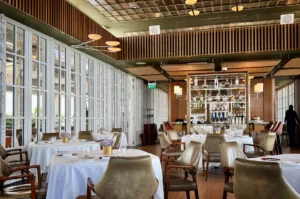

In Singapore, the closure of a restaurant is a frequent occurrence that we often observe with a mix of surprise and resignation. We walk past a boarded-up shopfront that was bustling just months ago and wonder what happened. While it is easy to search for a single dramatic reason, the reality is rarely so simple. Closures are often the result of a quiet accumulation of pressures, a shifting landscape where passion eventually meets the hard edges of logistical reality. It is a cycle that is as much a part of our city’s food culture as the openings that we celebrate.
The Weight of Rental Pressures
Space in Singapore is finite, and the cost of occupying it is perhaps the most persistent challenge for any restaurateur. For many establishments, rent is not just a monthly expense but a rising tide that slowly erodes margins. A restaurant might be full every night, yet struggle to keep up when lease renewals bring significant increases. It is a silent pressure that exists in the background of every service. When the balance tips, it is often not due to a lack of customers but because the mathematics of the space no longer make sense. The decision to close becomes a necessary response to an environment where the ground beneath them has become too expensive to hold.
The Strain on Manpower
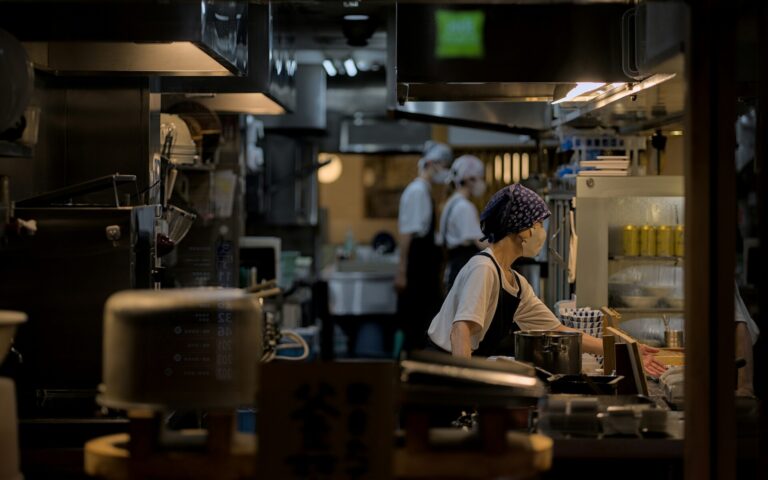
Service is the heartbeat of any dining room, yet finding the hands to sustain it has become increasingly difficult. The shortage of manpower is a well-documented strain across the industry. It manifests in small ways that eventually compound. Kitchens run on lean teams, and front-of-house staff stretch themselves thin to cover the floor. Over time, this constant state of operating at capacity takes a toll. Fatigue sets in. The energy required to maintain standards becomes harder to summon day after day. For some owners, the decision to close is simply a way to stop running a race that feels impossible to finish without the right support.
The Shift in Dining Habits
The way we eat changes constantly. Tastes in Singapore are fluid, moving quickly from one trend to the next. What draws a crowd one year may fade into the background the next as diners seek out the new and the novel. This impermanence can be difficult for restaurants that rely on consistency and longevity. A quiet Tuesday night is not always a sign of failure, but a string of them can signal that the city’s attention has drifted elsewhere. It is not necessarily a fault of the food or the concept, but rather a reflection of a restless dining culture that is always looking for the next experience.
An Ever-Evolving City
When a restaurant closes, it leaves a gap in the streetscape and in our routines. We miss the specific taste of a dish or the familiarity of a certain table. Yet, these endings are part of the natural rhythm of a city that is always evolving. Closures are not always tragedies. Sometimes they are simply a sign of a city in transition, making room for new ideas and flavours to emerge.
This cycle of change invites us to cherish culinary traditions while exploring fresh perspectives, such as discovering hidden gems that celebrate heritage, like Singapore’s Soul on a Plate: The Best Peranakan Restaurant Where Heritage Lives.