The Quiet After the Rush
There is a particular quiet that settles over a hawker centre after the lunch crowd has departed. It is not silence, but a slowing of pace. The frantic energy of noon dissolves, leaving behind a calmer rhythm. It is in this lull, around two in the afternoon, that I find the best time for a plate of char kway teow. The air, once thick with shouted orders and the clatter of a hundred trays, begins to thin. You can hear the low hum of the large fans and the soft scrape of a cleaner’s broom across the concrete floor.
The Familiar Ritual
I approached the stall, where the uncle was wiping down his stainless steel counter. The furious clang of his wok, which had echoed through the centre for hours, was gone. In its place was a gentle hiss as he cleaned the seasoned, blackened surface. He saw me and gave a small nod. There was no need for words. He knew my order. This small, unspoken understanding is part of the comfort of a familiar place. He turned back to the wok, reigniting the flame with a soft whoosh.
A Beautiful Mess
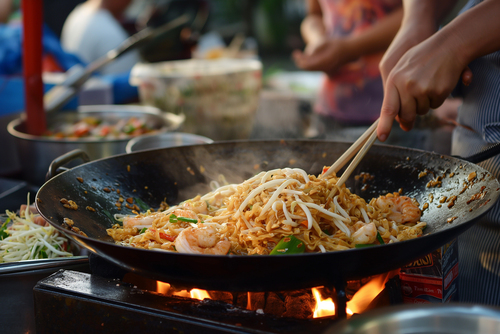
The plate arrived minutes later, hot and glistening. It was not a perfectly manicured dish. It was a beautiful mess of dark, smoky noodles, interspersed with slices of lap cheong, bright yellow egg, and crisp bean sprouts. A few green chives were scattered across the top. The scent of wok hei rose from the plate, a smoky, almost metallic aroma that is the soul of the dish. It is a smell that cannot be rushed or faked. It is earned through high heat and constant motion.
Savoring the Moment
I sat at a table near the edge of the centre, looking out at the slow-moving afternoon traffic. The sounds around me were gentle. The clink of my fork against the ceramic plate. The distant, muffled announcement over the public address system. The hawker uncle calling out to a friend at a neighbouring drink stall. Each spoonful was a mix of sweet, savoury, and smoky. The noodles were soft, with charred edges that gave a slight bitterness to balance the sweetness of the dark soy sauce.
The Honest Simplicity of Char Kway Teow
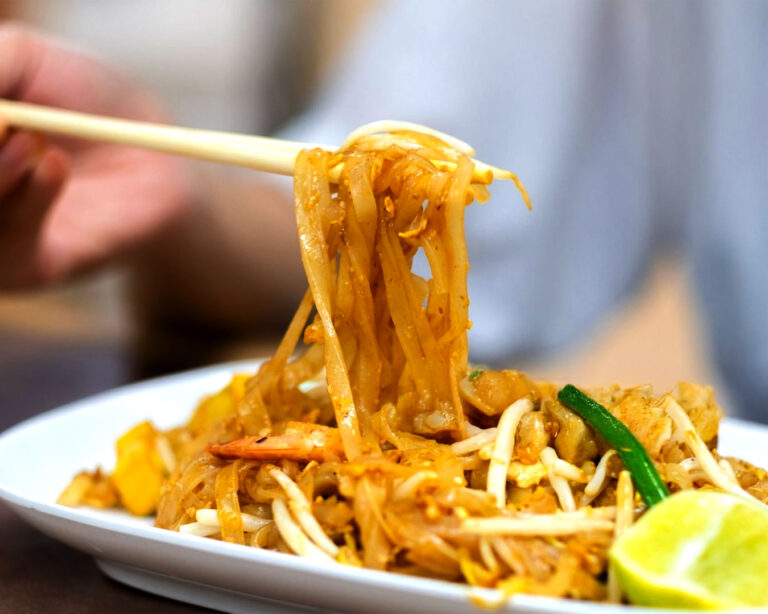
Eating char kway teow in the quiet of the afternoon feels different. During the lunch rush, it is a meal of necessity, eaten quickly to refuel. But now, it becomes something to be savoured. You notice the small details. The texture of the cockles, plump and briny. The slight crunch of the lard croutons, hidden like tiny treasures within the noodles. The dish is honest and direct, a testament to the skill of the person who made it.
A Moment of Stillness
When the plate was empty, I lingered for a moment. The warmth of the meal settled in, a comforting weight. The uncle had already turned off his stove and was leaning against his counter, reading a newspaper. The space had returned to a state of rest. The meal was a small, quiet point in the day, a moment of stillness between the chaos of lunch and the build-up to dinner. It was simple and complete.
Read “Singapore’s Soul on a Plate: The Best Peranakan Restaurant Where Heritage Lives” to discover more about the country’s rich culinary heritage.