Meat was a small thing in his childhood: expensive, rationed.
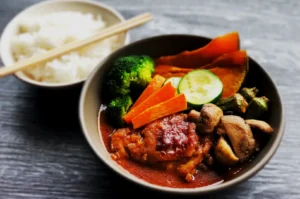
When the family gathered in Seoul, what filled the table was green and root and grain. Nobody thought of it as plant-based; it was what love looked like when money was tight.
Years later, in New York, William Choi would build a whole restaurant, and the kind of story that belongs in Restaurant Reviews, out of that memory.
A Childhood Cooked Together
He grew up eating Korean food, mostly, the way most people grow up eating their mother’s hands.
His mom was a great cook. But the detail that lingers is the gathering: the way relatives came to the house to cook together for reunions.
The food at those gatherings leaned vegetarian because meat cost too much. A constraint, really. But constraints are often where the best cooking learns to stand on its own.
Hangawi, Built From a Recollection
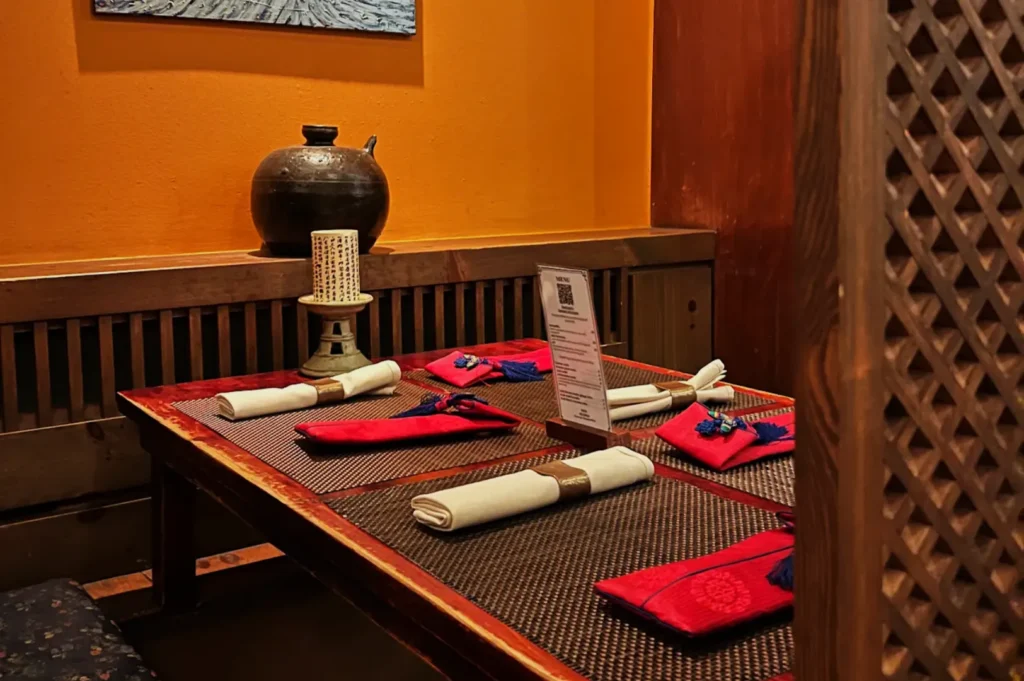
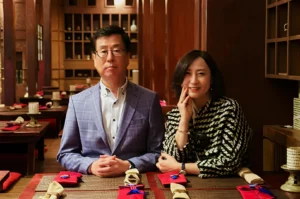
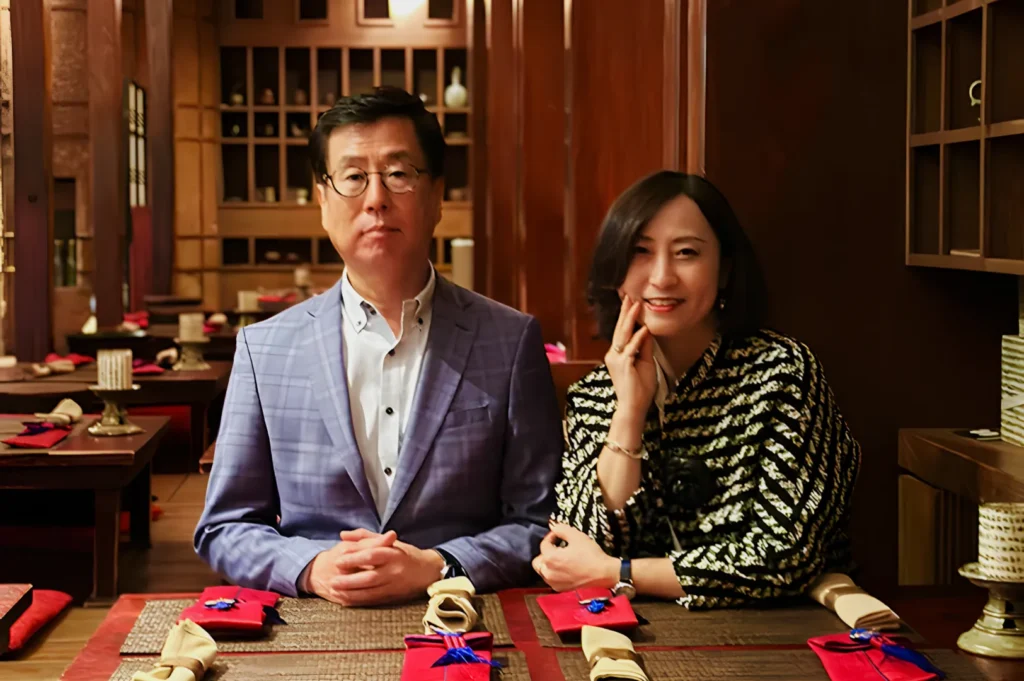
When Choi and his wife Terri opened Hangawi in 1994, Korean food was still a stranger to most Americans. They chose to present Korean cooking not only as Korean, but as plant-based.
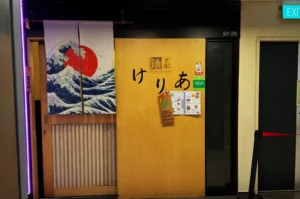
That was a deliberate decision – a way of opening the door wider – and it’s a philosophy that’s traveled well, with the restaurant now also having a branch at Fortune Centre, a favorite among [fortune centre eateries](https://foodstories.com.sg/exploring – fortune – centre – food – beyond – vegetarian – cuisine/).
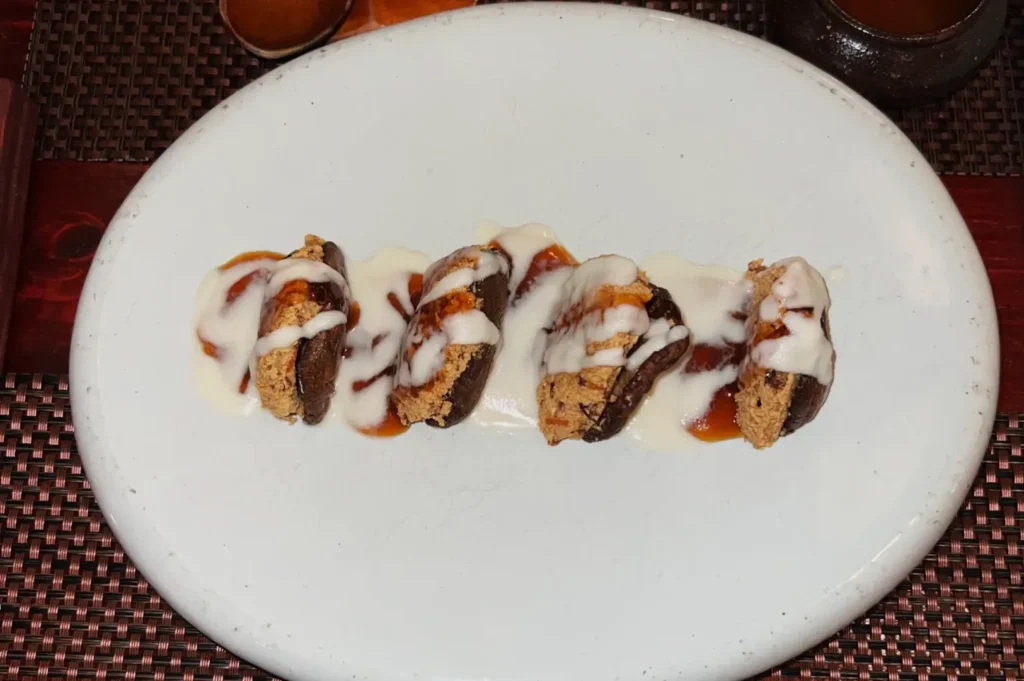
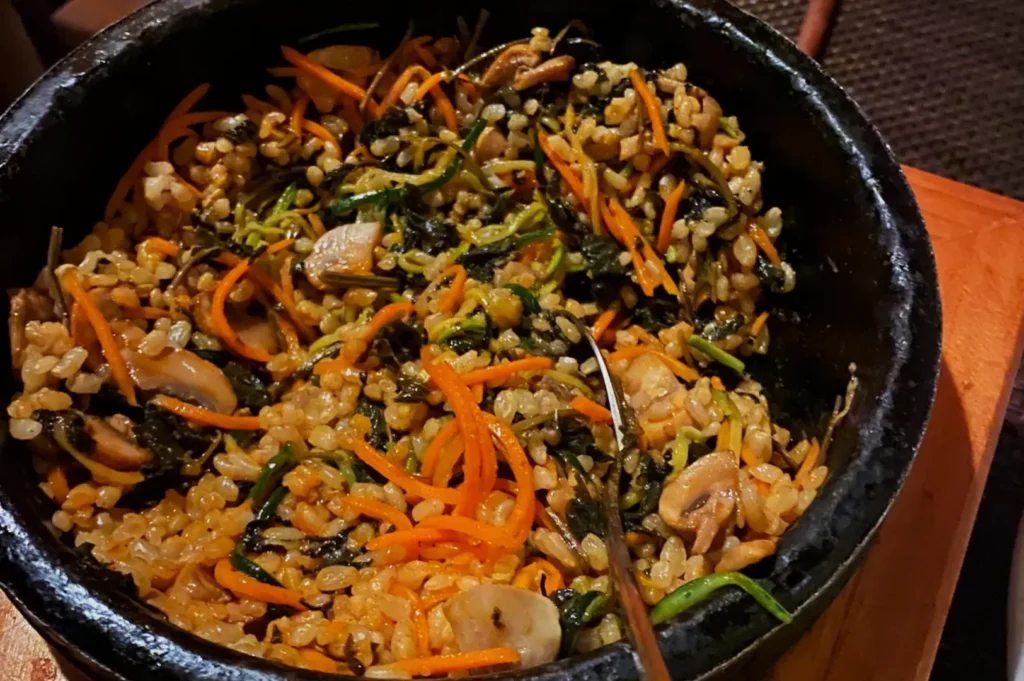
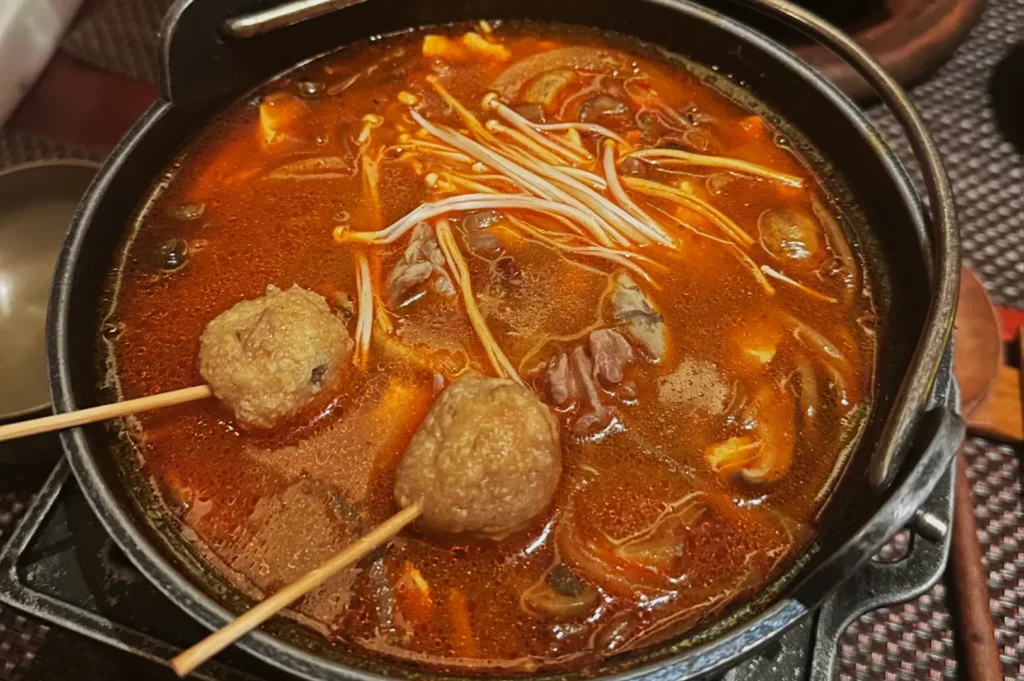
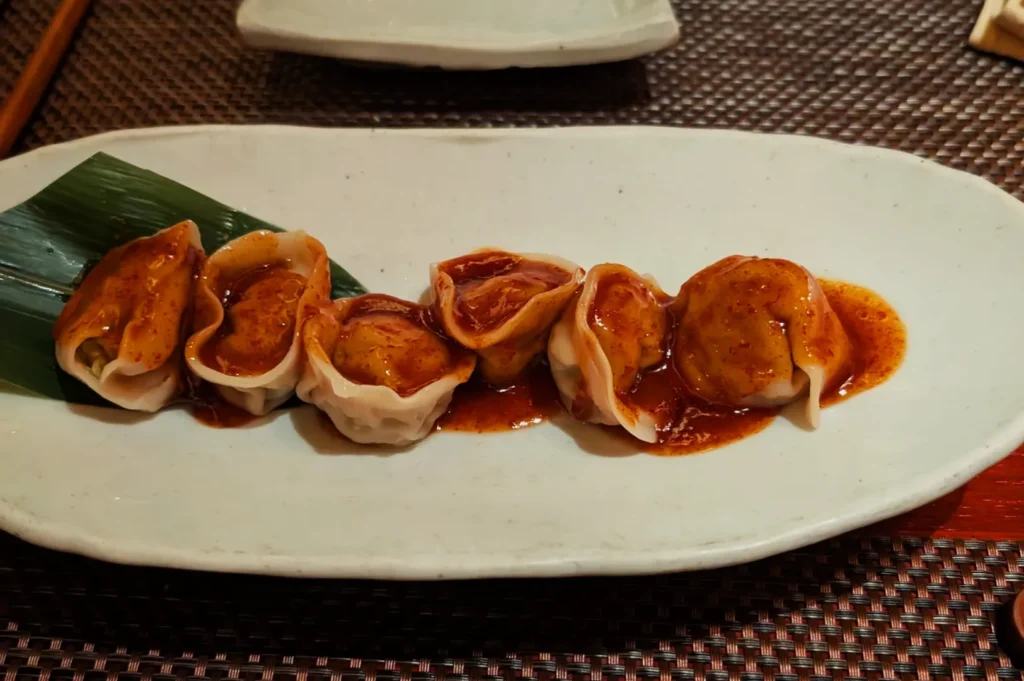
The menu reads like a map of his memory: Japchae, Sanchae bibimbap, Pajeon, Hobakjuk, Tteokbokki, Kimchi jjigae.
None of it was invented for a market. All of it was remembered.
Cooking for Strangers Who Became Regulars
There is a quiet patience in what Choi did.
Hangawi met people where they stood. It let the vegetarian framing become a bridge rather than a barrier.
He wasn’t trying to convert anyone. He was setting a table and trusting the food to speak.
The Wave That Came Later
For a long time, Korean food was a private language. Then the world started listening.
Choi watched [hallyu](https://kccuk.org.uk/en/about – korea/culture – and – arts/hallyu – korean – wave/) (the Korean Wave) rise around 2010. He’d cooked through the years when Korean food needed defending, so the popularity arrived like a vindication – slow and earned.
To learn more about William Choi and the broader Korean cuisine moment, read [this article](https://guide.michelin.com/us/en/article/features/michelin – guide – korean – chefs – culture – food – dining).
What His Cooking Asks of Us
Strip away the recognition, the Michelin attention, the lines on a weekend night, and Choi’s work points back to something simple.
A family cooking together because they couldn’t afford otherwise. A son who remembered the smell of those rooms and decided it was worth keeping. A restaurant that says food made from memory tends to outlast food made for applause.
That is the thing about Hangawi. It never tried to be the loudest room. It only tried to remember well.
If You Go
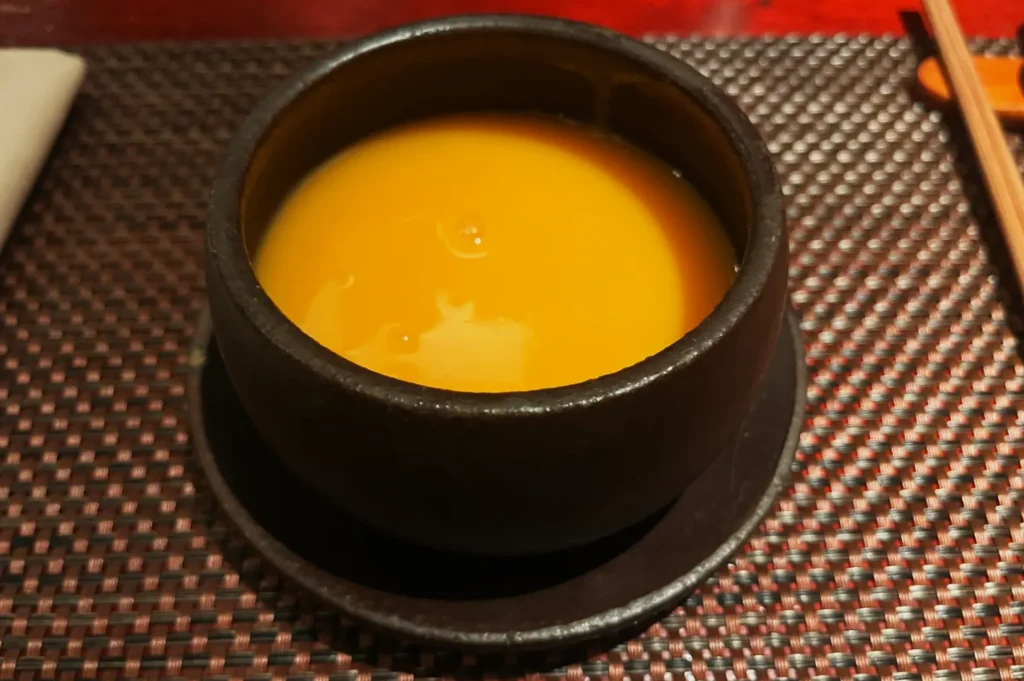
Order the hobakjuk first. Let it slow you down. Then move through the japchae and the sanchae bibimbap, and notice how a table built from scarcity can feel like abundance.
Hangawi sits in midtown Manhattan, a still room above a busy street. Go hungry. Go unhurried. Let the food tell you the rest.