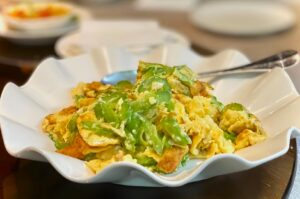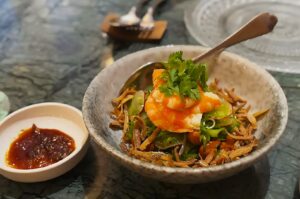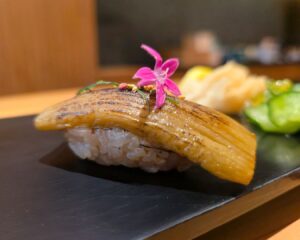
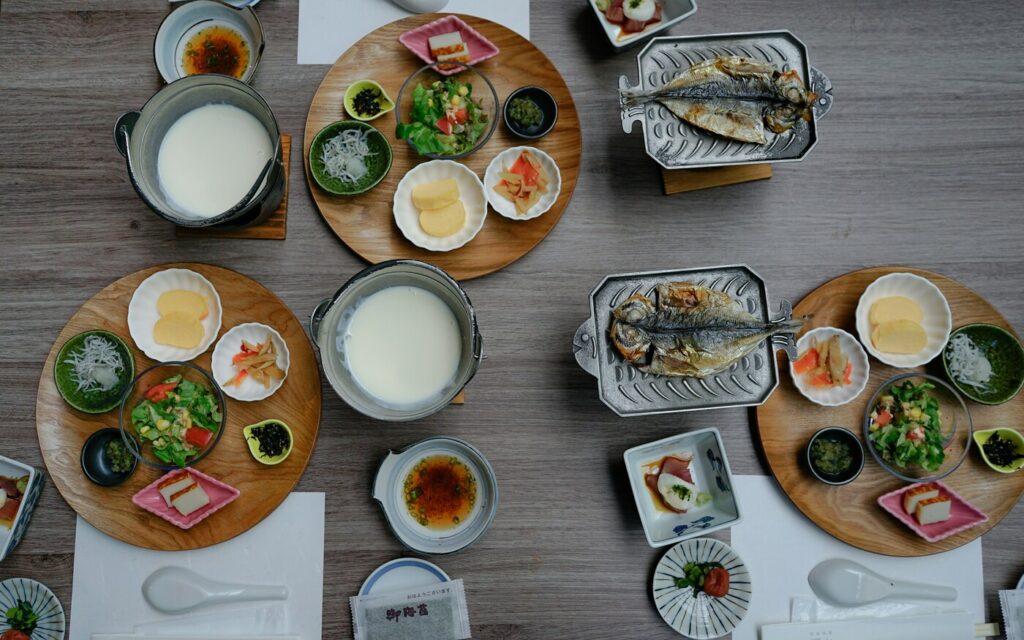
In Singapore’s vibrant culinary scene, kaiseki dining epitomizes the art of Japanese fine dining. This centuries-old tradition transforms meals into multi-sensory experiences where seasonal ingredients, meticulous preparation, and artistic presentation create a harmonious balance in every dish. From intimate counters where chefs craft each course before your eyes to modern settings blending tradition with innovation, Singapore offers some of the best kaiseki restaurants that pay homage to Japan’s rich traditions.
Whether you’re new to kaiseki cuisine or a seasoned aficionado, this guide highlights Singapore’s premier kaiseki destinations, price points, and key insights for an unforgettable dining experience.
For those interested in exploring more Japanese dining experiences, check out our top 3 unfiltered picks for the best omakase experiences in Singapore.
Best Kaiseki Singapore: Top Kaiseki Restaurants
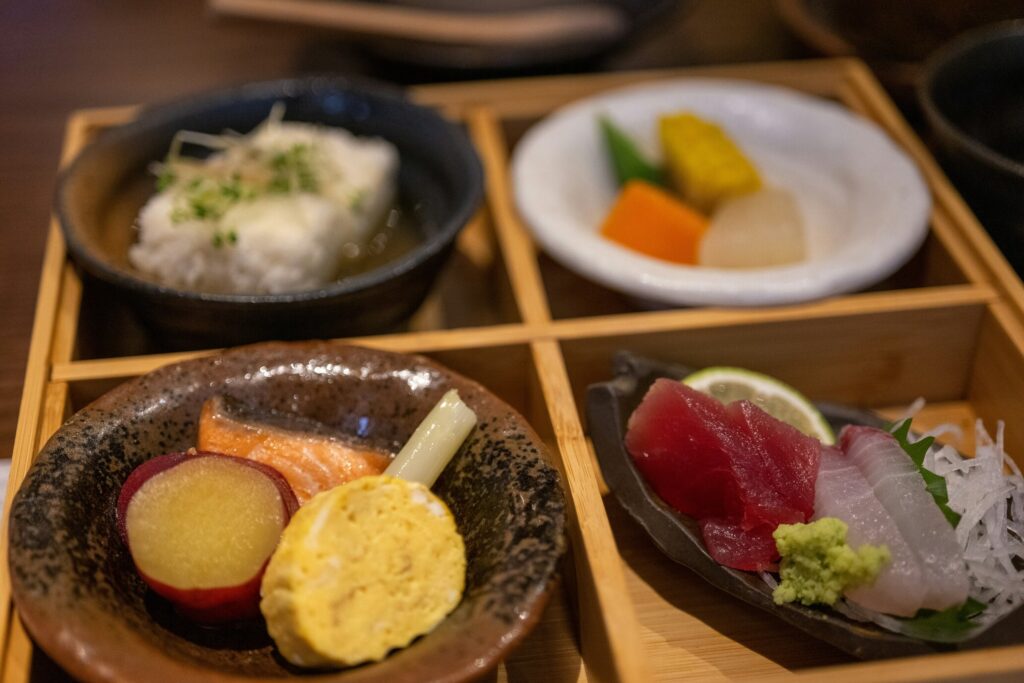
Singapore’s kaiseki restaurants range from traditional establishments preserving centuries-old techniques to contemporary venues offering fresh interpretations of this revered cuisine.
Zeniya Singapore, helmed by Chef Shinichiro Takagi and part of the prestigious Les Amis Group, is a two Michelin-starred omakase restaurant specializing in Kaga-style kaiseki. It sources premium ingredients directly from Kanazawa, delivering an authentic taste of this regional cuisine.
Shoukouwa, another two Michelin-starred gem, showcases Edomae style sushi kaiseki under head chef Kazumine Nishida. Its intimate sushi ya counter seats just eight guests, with seafood air-flown daily from Tokyo’s Toyosu Market to ensure peak freshness.
Waku Ghin at Marina Bay Sands blends traditional kaiseki with international influences under Chef Tetsuya Wakuda, creating a uniquely Singaporean dining experience.
Hazuki in Ngee Ann City offers kappo-style kaiseki led by Chef Kenta Yamauchi, formerly of Michelin-starred Gion Fukushi in Kyoto. The restaurant’s stylish interior complements its refined, seasonal dishes.
Price points vary from $98 for introductory meals to $600+ for exclusive multi-course dinners, catering to diverse budgets while maintaining impeccable quality.
Understanding Kaiseki Cuisine and Japanese Fine Dining
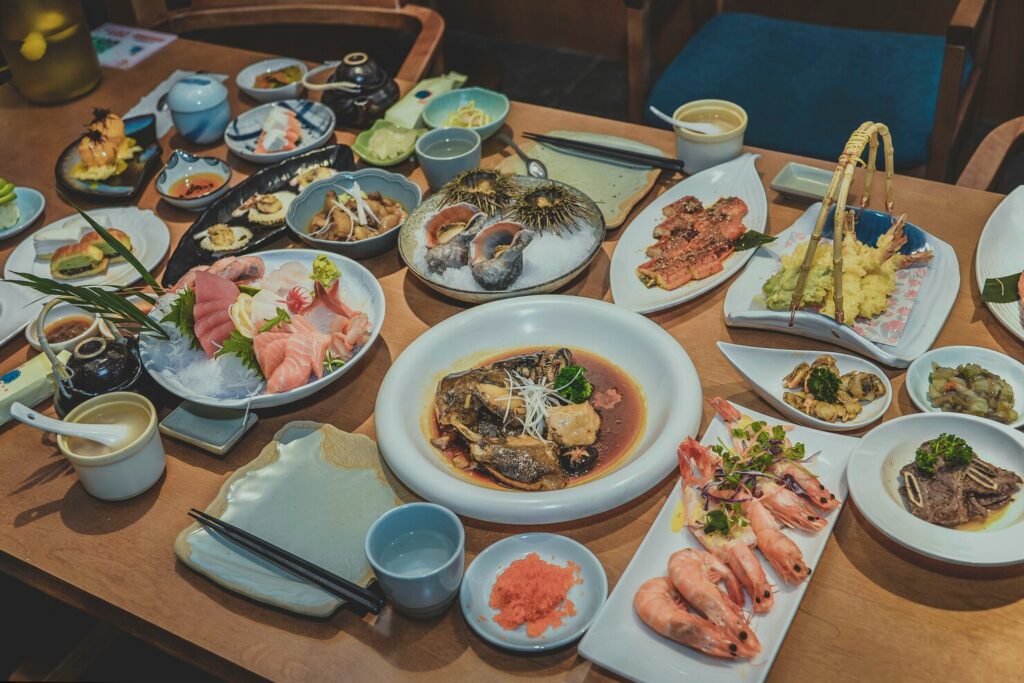
Kaiseki cuisine, rooted in Kyoto’s 16th-century tea ceremony culture, is more than a meal—it’s a philosophy. The term “kaiseki” originally referred to the warm stones monks used to stave off hunger during meditation, evolving into Japan’s most sophisticated culinary tradition emphasizing seasonality, harmony, and artistry.
Kaiseki dining focuses on seasonal ingredients (kisetsukan), reflected in every aspect—from ingredient choice and cooking methods to plating and tableware. Each dish is meticulously crafted to evoke natural scenes and seasonal moods, creating a harmonious interplay of flavours and textures.
Unlike sushi omakase, which spotlights raw fish and rice, kaiseki meals encompass a variety of cooking techniques including grilling, steaming, simmering, and frying with tempura batter. The multi-course structure typically includes appetizers, sashimi, grilled dishes, rice, and dessert, presenting a complete culinary narrative over 2-3 hours.
Kaiseki Price Categories in Singapore
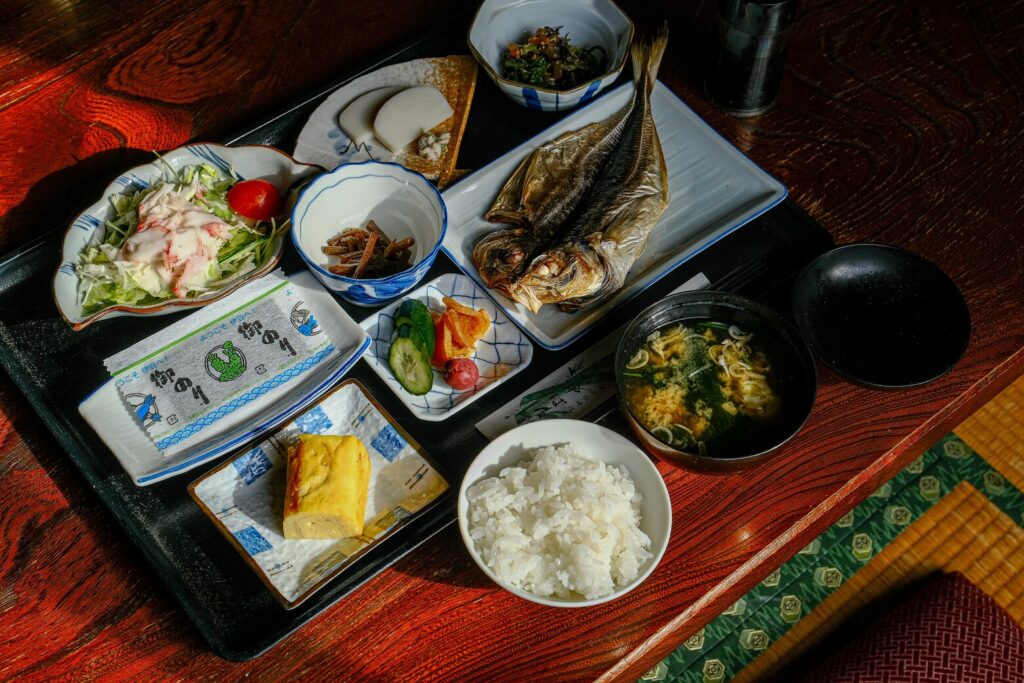
Affordable Kaiseki ($98-$200)
Entry-level kaiseki dining offers 6-8 courses showcasing core principles with fresh ingredients, often locally sourced. Restaurants like Maetomo Japanese Cuisine Kaiseki and Sushi Kawasemi provide excellent introductions to kaiseki dining, blending tradition with accessibility.
Lunch menus at these establishments range from $98 to $248, featuring seasonal ingredients and artistic plating without the extended duration of higher-end meals.
Mid-Range Kaiseki ($200-$400)
Ushidoki Wagyu Kaiseki focuses on premium wagyu beef from Miyazaki Prefecture, offering a specialized multi-course experience that highlights different cuts and cooking techniques, including grilled and tempura preparations.
Jinhonten, with its intimate 10-seat setting, features refined dishes like sweet botan ebi, Murasaki uni, and Kristal caviar, emphasizing harmonious balance and meticulous craftsmanship.
Luxury Kaiseki ($400+)
At the luxury level, restaurants like Zeniya Singapore and Shoukouwa command premium pricing for authentic, Michelin-starred kaiseki meals. Zeniya’s Kaga-style kaiseki features rare ingredients like grilled nodoguro over binchotan charcoal and seasonal delicacies flown from Kanazawa.
Sushi Sato, with its 200-year-old Hinoki wood counter, offers a sublime dining experience combining sushi omakase and kaiseki cuisine, including premium uni, caviar, and seasonal fish.
These exclusive experiences require advance reservations and often include chef interaction, specialized tableware, and sake pairings.
Premier Kaiseki Restaurant Profiles
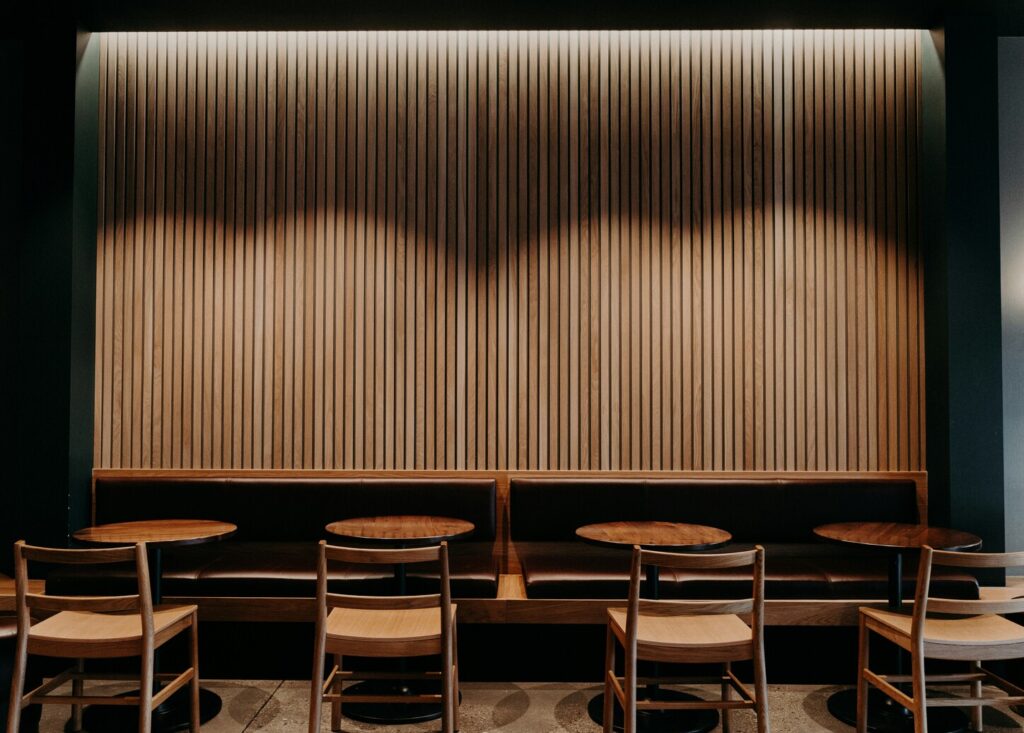
Zeniya Singapore
Zeniya Singapore, located in Shaw Centre, is helmed by Chef Shinichiro Takagi, a second-generation owner of the original two Michelin-starred Zeniya in Kanazawa. The restaurant takes pride in sourcing premium seasonal ingredients flown directly from Ishikawa Prefecture, including rare seafood and local produce, to ensure authenticity and freshness.
The 10-seat chef’s counter offers diners an intimate view of the chef’s artistry as each dish is prepared and served with precision. Private rooms accommodate groups seeking a refined setting. The menu showcases grilled dishes like nodoguro over binchotan charcoal, sashimi, and seasonal vegetables, all cooked to perfection.
Reservations are essential, with a smart casual dress code reflecting the restaurant’s esteemed status.
Sushi Sato
Sushi Sato in Ngee Ann City is helmed by Chef Yuji Sato, who brings over 20 years of experience from Tokyo’s Tsukiji Market. The intimate sushi ya seats nine guests at a historic Hinoki wood counter, where diners witness the precise preparation of Edomae style sushi and kaiseki dishes.
The menu features meticulously crafted sushi using fresh ingredients flown daily from Japan, including uni, caviar, and seasonal fish. Sushi Sato’s dedication to quality and tradition makes it a standout among Singapore’s best kaiseki restaurants.
Maetomo Japanese Cuisine Kaiseki
Maetomo Japanese Cuisine Kaiseki offers an elegant and authentic kaiseki dining experience, blending traditional multi-course meals with exquisite sushi omakase selections. Helmed by Chef Maetomo, the restaurant emphasizes seasonal ingredients sourced directly from Tokyo and Hokkaido.
The intimate setting and meticulously crafted dishes showcase the harmonious balance of flavours and textures that define kaiseki cuisine, making it a must-visit for enthusiasts seeking authentic Japanese fine dining.
Ushidoki Wagyu Kaiseki
Specializing in wagyu, Ushidoki offers a unique kaiseki experience highlighting premium Ozaki beef from Miyazaki Prefecture. The menu features various cuts prepared with traditional techniques, including grilling over binchotan charcoal and tempura with light tempura batter.
Helmed by a skilled chef team, Ushidoki’s harmonious interplay of flavours and textures elevates the dining experience, catering to meat lovers who appreciate Japanese culinary artistry.
The Kaiseki Dining Experience
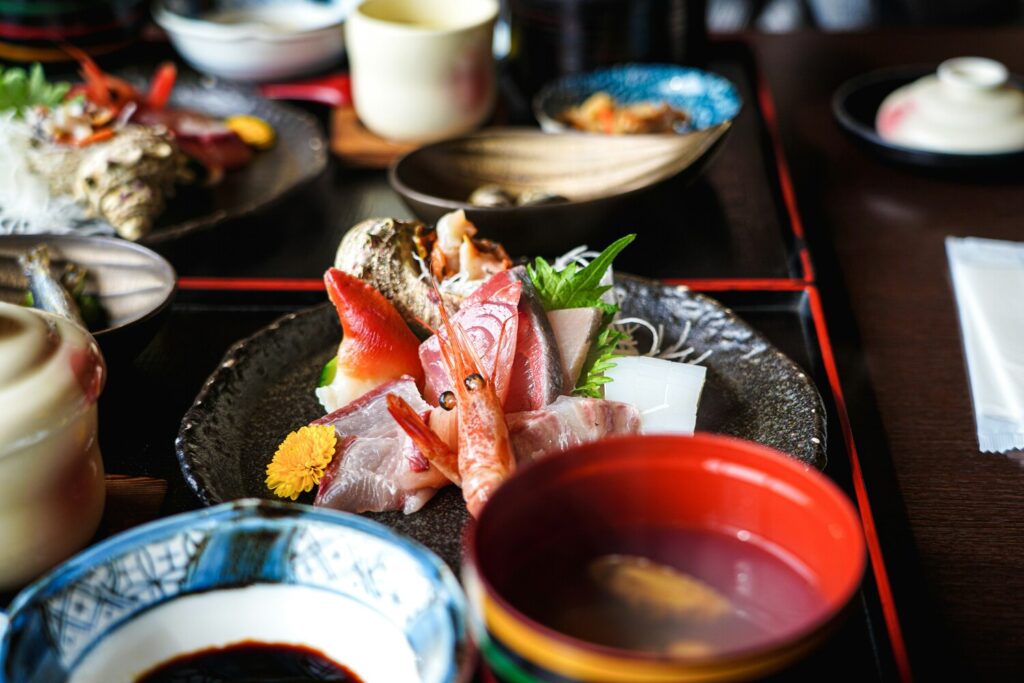
A kaiseki meal unfolds with a precise progression of courses designed to awaken and satisfy the palate. It typically begins with a light appetizer, followed by fresh sashimi, grilled and simmered dishes, rice prepared with Japanese tea, and concludes with delicate desserts.
Chef interaction varies by setting; intimate counters like those at Sushi Sato and Zeniya Singapore allow diners to engage directly with chefs, gaining insight into ingredient selection and preparation techniques. Private rooms offer a more secluded environment while maintaining the ritualistic course progression.
Signature ingredients across Singapore’s best kaiseki restaurants include uni from Hokkaido, premium wagyu from Miyazaki Prefecture, and seasonal seafood from Toyosu Market. Each dish is prepared with fresh ingredients to achieve perfection in taste and presentation.
Practical Tips for Kaiseki Dining in Singapore
- Reservations: Book 2-4 weeks in advance, especially for Michelin-starred restaurants like Zeniya Singapore and Shoukouwa.
- Dress Code: Smart casual to formal attire is recommended.
- Etiquette: Kaiseki meals are meticulously seasoned; use soy sauce sparingly. Photography policies vary—ask staff before taking photos.
- Pacing: Kaiseki is a slow, meditative dining experience best enjoyed over 2-3 hours.
- Dietary Restrictions: Inform restaurants ahead of time for menu adjustments.
Conclusion
Singapore’s best kaiseki restaurants offer an unparalleled journey into Japanese cuisine, blending rich traditions with fresh ingredients and meticulous craftsmanship. From the Michelin-starred mastery at Zeniya Singapore and Shoukouwa to specialized experiences like Ushidoki Wagyu Kaiseki and Maetomo Japanese Cuisine Kaiseki, diners can explore a diverse spectrum of kaiseki dining styles in intimate settings.
For those looking to eat authentic Japanese cuisine in Singapore, this guide highlights the best kaiseki Singapore has to offer, combining tradition, innovation, and exquisite taste. Complement your meal with carefully selected sake to enhance the flavours and enjoy the full sensory experience of kaiseki dining.
This comprehensive guide ensures you experience the essence of kaiseki cuisine and the best that Singapore’s culinary scene has to offer, making it an essential resource for food enthusiasts seeking the ultimate Japanese fine dining experience.