Refinement as Subtraction, Not Addition
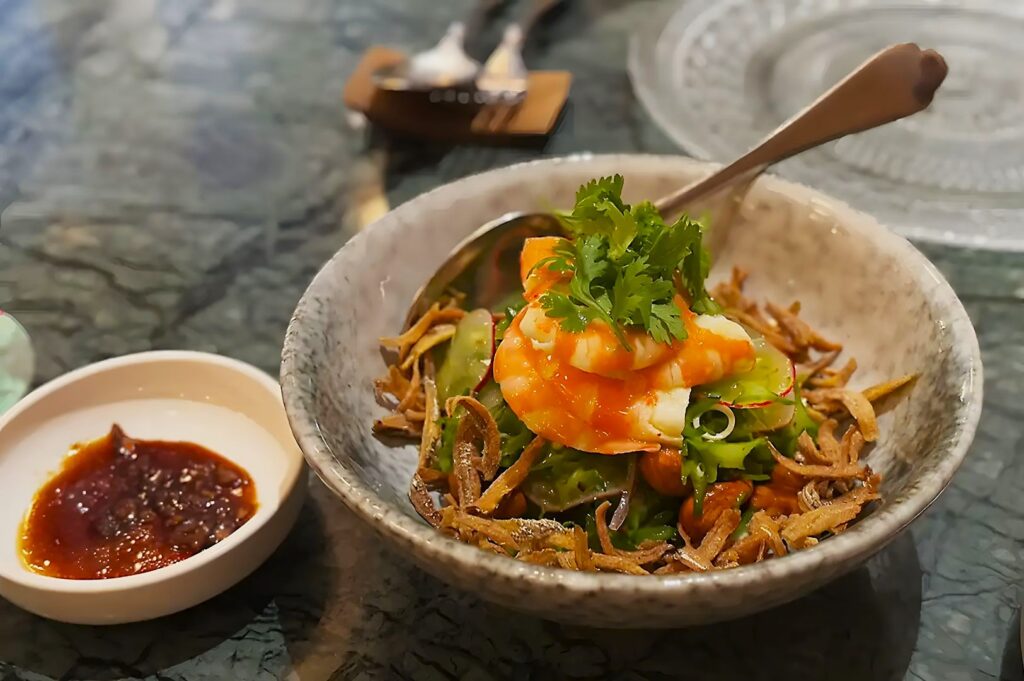
Refinement is often misunderstood as addition. In many culinary circles, to refine a dish is to add complexity, to introduce a new texture, or to plate with tweezers. But for Malcolm Lee, the chef behind Candlenut, refinement is almost entirely an act of subtraction. It is the discipline of stripping away the unnecessary until only the essential character of Peranakan cuisine remains.
At Candlenut, the world’s first Michelin-starred Peranakan restaurant, the food does not scream for attention. It speaks in a measured, confident tone. Lee’s approach to heritage cooking is not about reinvention for the sake of modernity, but rather a deep, analytical respect for the original intent of a recipe. He understands that Peranakan food, with its intricate rempahs and slow-cooked stews, is already complex. The challenge isn’t to make it more complicated, but to make it clearer.
The Art of Honing Flavours
Consider his approach to the rempah, the spice paste that forms the backbone of Nyonya cooking. In a home kitchen, a rempah might be a rustic, somewhat coarse mixture where individual aromatics jostle for dominance. Lee refines this not by changing the ingredients, but by obsessing over the texture and the balance. He seeks a paste that is smoother, where the oils have separated perfectly, and where the heat of the chilli hums in harmony with the fragrance of the galangal and lemongrass. It is a subtle shift, but it changes the eating experience from one of rustic impact to one of elegant clarity.
This philosophy extends to how he simplifies flavours without flattening them. Traditional recipes are often guarded secrets, passed down through oral tradition with vague measurements like “agak agak” (guessing). Lee navigates this by standardising the intuitive. He realises that while the charm of home cooking lies in its variability, the strength of a restaurant lies in its consistency. He adjusts techniques—perhaps using modern temperature control for a curry or refining the fermentation process of cincalok—not to alter the flavour profile, but to ensure it hits the same high note every single time. He preserves the familiarity of the taste while elevating the precision of its delivery.
Respecting Tradition Through Consistency
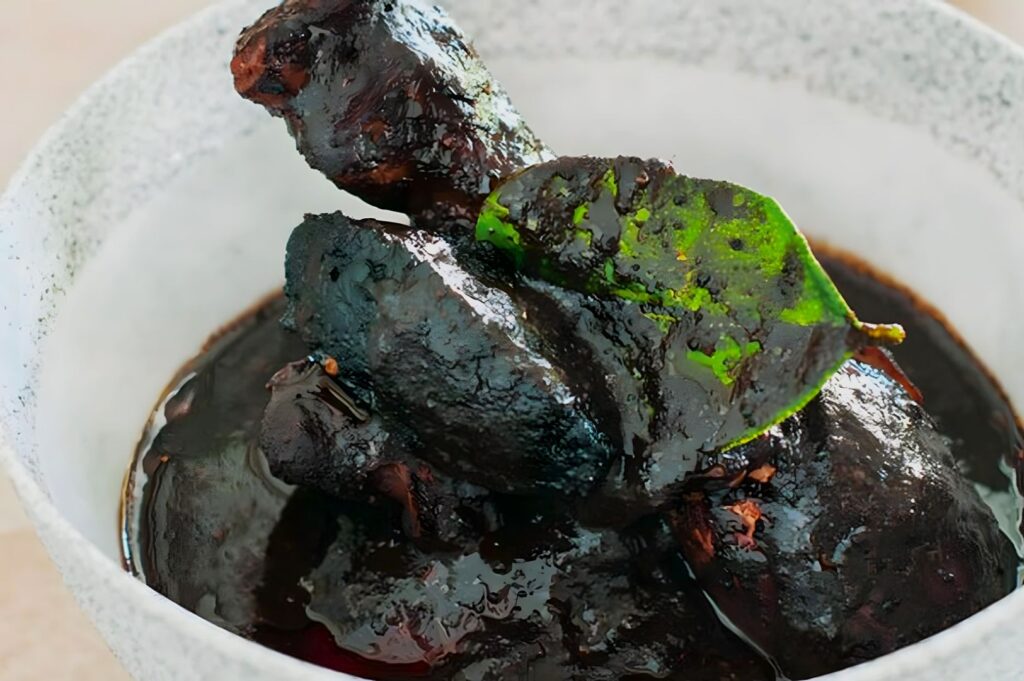
There is a quiet confidence in knowing what not to change. In an industry obsessed with novelty, Lee chooses consistency. He understands that the soul of Peranakan food lies in its communal nature—the shared plates, the rice, the specific interplay of sweet, sour, salty, and spicy. He resists the urge to deconstruct these dishes into unrecognisable forms. A beef rendang at Candlenut still looks like a rendang. It is rich, dark, and unctuous. The refinement is in the sourcing of the meat, the painstaking preparation of the buah keluak, and the patience of the slow cook. It is better not because it is different, but because it is the truest version of itself.
Ultimately, refinement for Malcolm Lee is a long game. It is less about the restless pursuit of improvement and more about a deepening trust in what already works. It suggests that the highest form of respect a chef can pay to tradition is not to preserve it in amber, but to practice it with such care and repetition that the food becomes timeless, proving that sometimes, the most radical choice a chef can make is to let the food be exactly what it is supposed to be.