Last Updated on 26 January, 2026 by Food Stories Team
Beyond Street Food: The Science of Prata
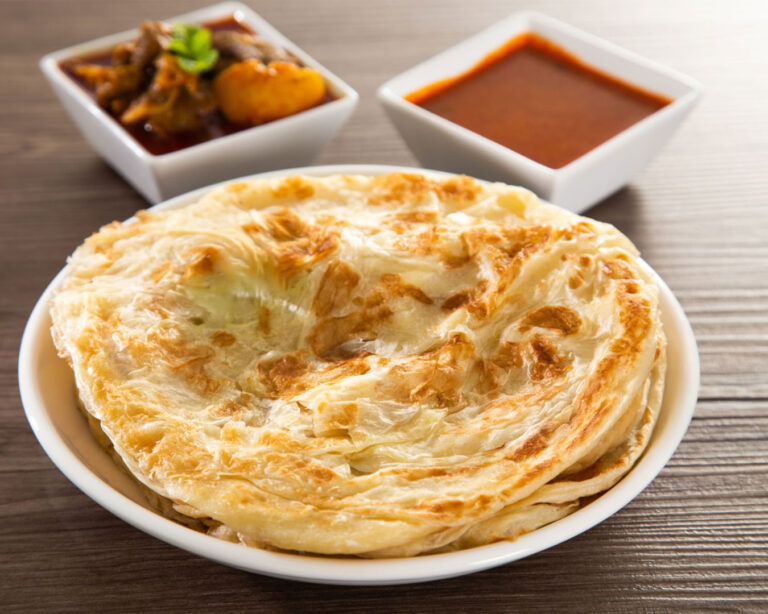
Roti prata is often seen as a simple street food—a fluid, almost casual dance of dough and air in the hands of a skilled hawker. But for chefs who dedicate themselves to understanding it, prata is a system of interlocking variables where every choice has a consequence. It is a craft that demands precision, discipline, and an obsessive attention to detail, stripping away the performance to reveal the science underneath.
For those intrigued by how food carries stories and science alike, explore the soulful tale of Sapporo Soup Curry here.
Mastery Through Repetition: Sugen Gopal’s Story
Sugen Gopal, the founder of Roti King in London, grew up in Ipoh, Malaysia, watching his parents run a roadside stall. For him, the process was initially an obligation, a relentless routine of making rotis and serving customers. Yet, looking back, he recognizes that this repetition was the foundation of mastery. It wasn’t about innovation; it was about the discipline of doing the same thing thousands of times until the variables became second nature. He speaks of “humble food” that touches the soul, a sentiment that suggests the real complexity lies not in adding new ingredients, but in perfecting the fundamental technique.
The Dough: A Balance of Ratios
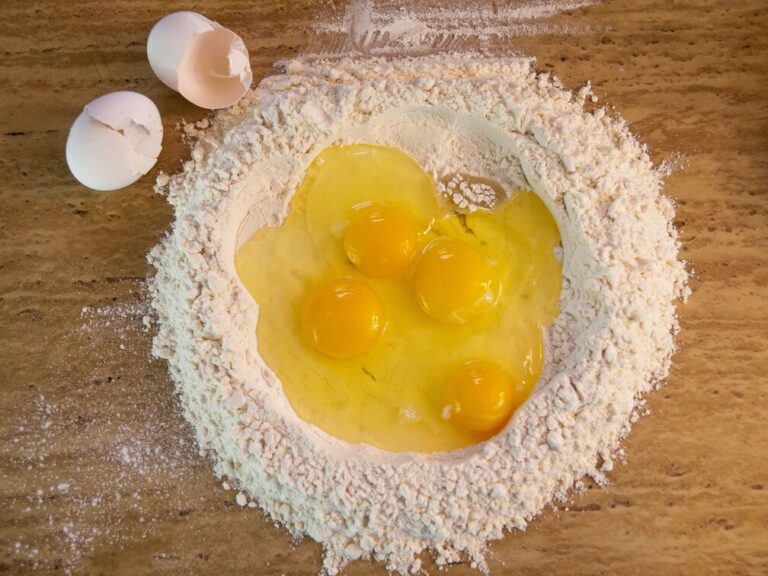
This sentiment is echoed by Singaporean chef and writer Pamelia Chia, who approached prata with an analytical eye after moving to Melbourne. Her journey reveals that the thinking begins long before the first flip. It starts with the dough—a simple combination of flour, water, fat, and sugar. Yet, the ratios are everything. Chia notes that hydration is a constant negotiation. Too little water and the dough resists, tearing when stretched. Too much, and it becomes a slack, unworkable mess that cannot hold its shape. She discovered that a dough that is too soft tends to “melt” into one another during the resting phase, making it impossible to work with later.
The Art of Resting
Resting is perhaps the most deceptive phase. It looks like inactivity, but it is a crucial, active stage where the gluten network relaxes. Chia compares it to bread-making principles, where time replaces mechanical force. A long, overnight rest allows the dough to align itself, ensuring it will stretch into a near-translucent sheet without protest. This is where a chef’s patience is tested; you cannot rush the chemistry of relaxation.
Mastering the Stretch
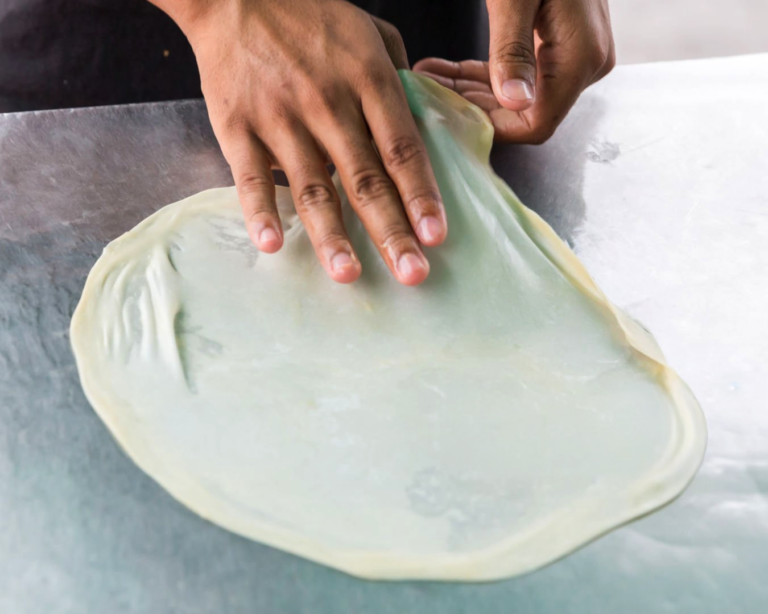
The stretch itself is a study in controlled force. While the theatrical flip relies on centrifugal force to pull the dough outward, the goal is actually uniform thinness. Chia points out that you don’t even need to flip it if you understand the physics; gently stretching it like strudel dough achieves the same result—a membrane thin enough to become brittle and crisp when it hits the heat.
Heat and Fat: The Final Touches
Heat management is the next critical control point. The griddle must be hot enough to shock the dough, creating those desirable blisters and browned spots instantly. If the heat is too low, the prata absorbs oil and becomes greasy; too high, and it burns before the inner layers cook. The choice of fat also plays a role in the flavor profile and the final layering.
Shaping: Layers or Crispness?
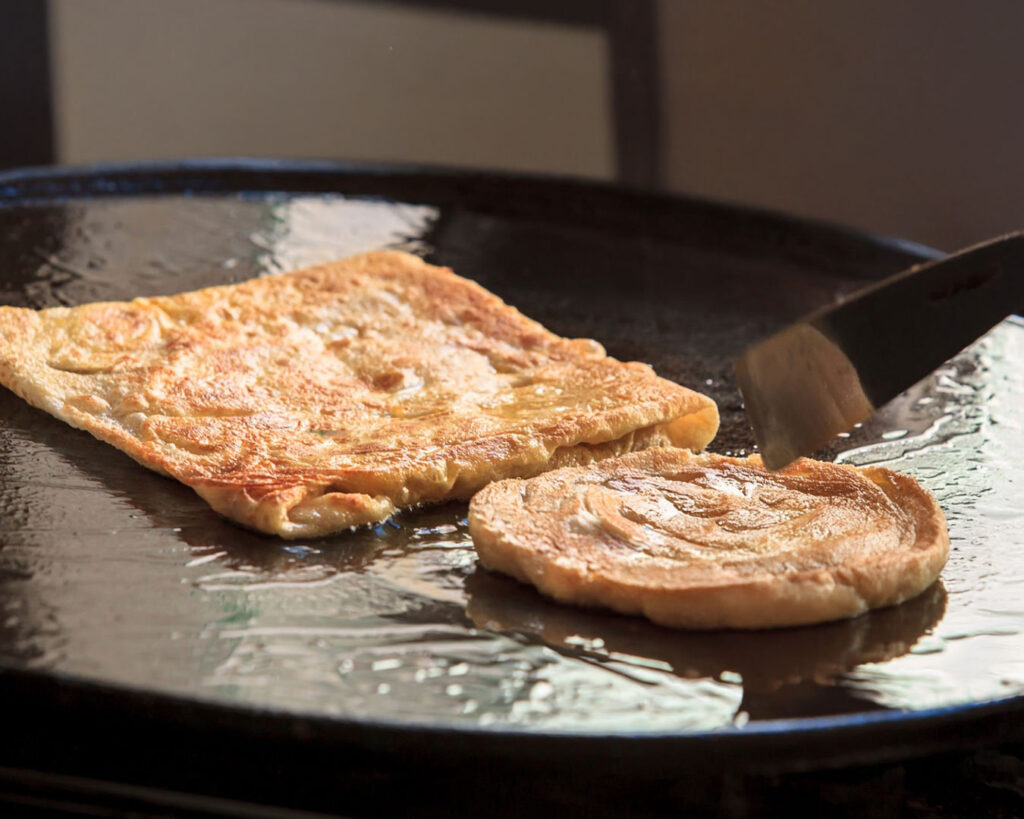
Even the shaping is a deliberate architectural decision. Coiling the dough into a spiral creates layers that trap air and steam, resulting in a fluffy interior. Folding it into a square envelope, a common method in Singapore, prioritizes a crisp, cracker-like shell.
Prata as a Lesson in Humility
Thinking about prata this way reveals that mastery is not about a secret recipe. It is about the relentless repetition of a correct process. It is about understanding cause and effect in a dozen small steps. For chefs like Gopal and Chia, prata teaches humility. It demonstrates that true depth in cooking is often found not in radical reinvention, but in the quiet, focused pursuit of perfecting something familiar. It is a dish that rewards attention over time, revealing its secrets only to those willing to listen to the dough.
Ultimately, prata serves as a testament to the beauty of mastery through patience and persistence. It reminds us that in both cooking and life, true excellence comes from dedication to the process and a profound respect for the craft.