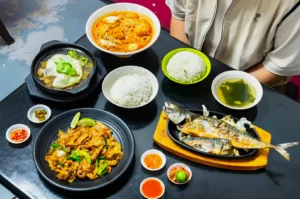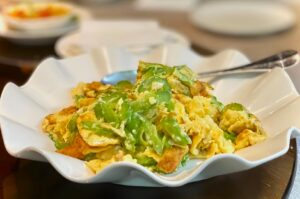
Last Updated on 18 March, 2026 by Food Stories Team
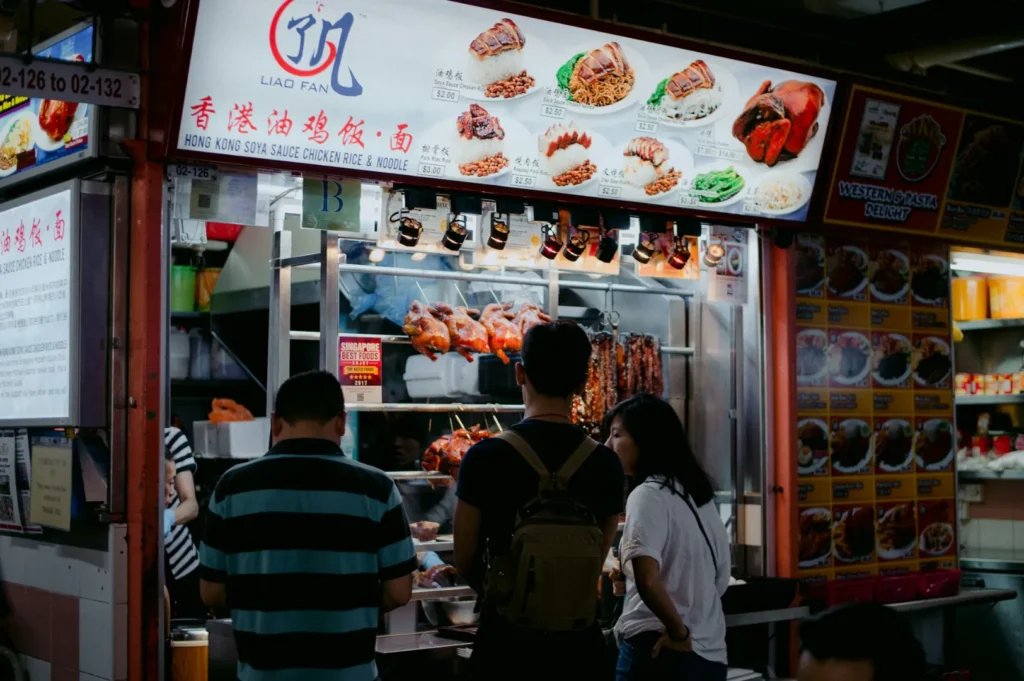
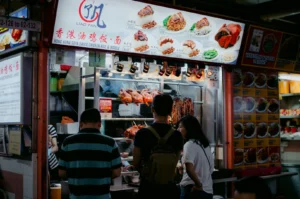
Something settles here, in the way generations have arrived and found their place, flavors weaving themselves into what was already becoming. At hawker centres across the city, you notice the steam first—how it rises without hurry from stalls where fragrant rice cooked in chicken fat seems to hold something you can almost touch, while somewhere nearby the soft murmur of char kway teow finds its rhythm in woks that know this dance. The smoke from meat skewers drifts just so over coals that glow like small suns. There are people here, some moving with the certainty of long familiarity, others who pause, following something their senses recognize before their minds do. You begin to see what has taken root in these spaces, how dishes have found their way into being exactly themselves, how certain corners hold time differently, and how hunger, when you let it, becomes its own quiet language.
Singapore’s Food Culture: A Melting Pot of Flavors
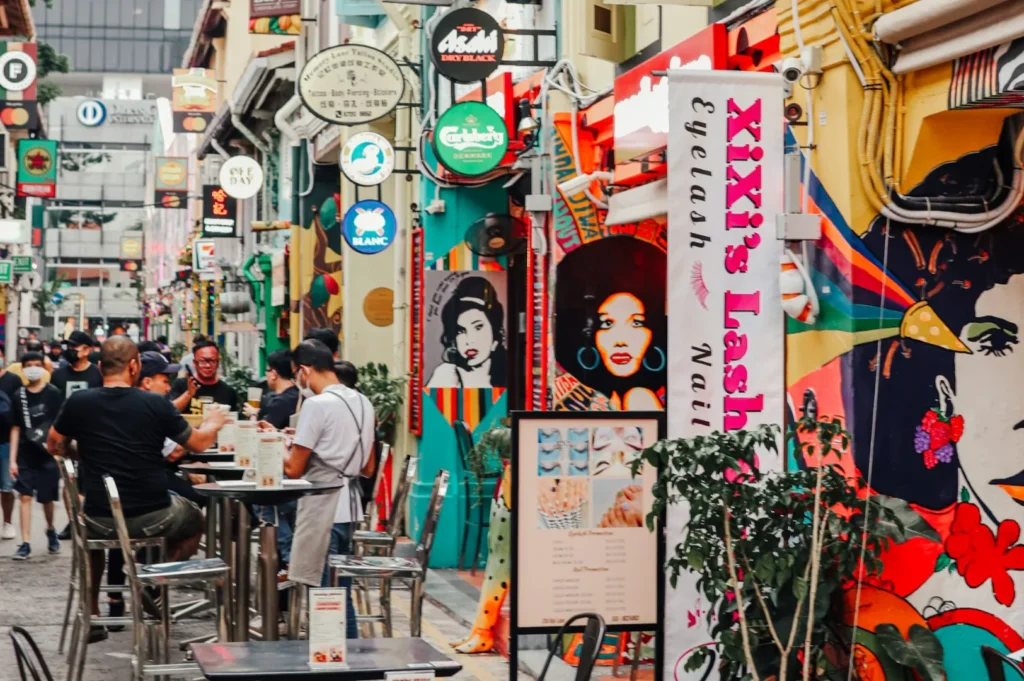
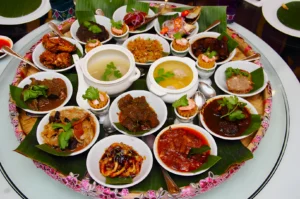
Singapore’s food scene reflects its multicultural heritage, blending Chinese, Malay, Indian, and Peranakan food traditions. Chinese immigrants introduced techniques and ingredients such as pork slices, pork belly, pork fat, and dark soy sauce, while Malay dishes brought rich coconut milk-based curries, sambal chili sauce, and beef rendang. Indian food added complex spices and flatbreads like roti prata, and Peranakan food emerged as a unique fusion of Chinese and Malay flavors.
The government’s creation of hawker centres in the 1960s centralized street food vendors, ensuring sanitation and accessibility. Today, these centres host some of the best hawker stalls, serving affordable and incredibly tasty street food that defines singapore’s culinary scene.
Hainanese Chicken Rice: Singapore’s National Treasure
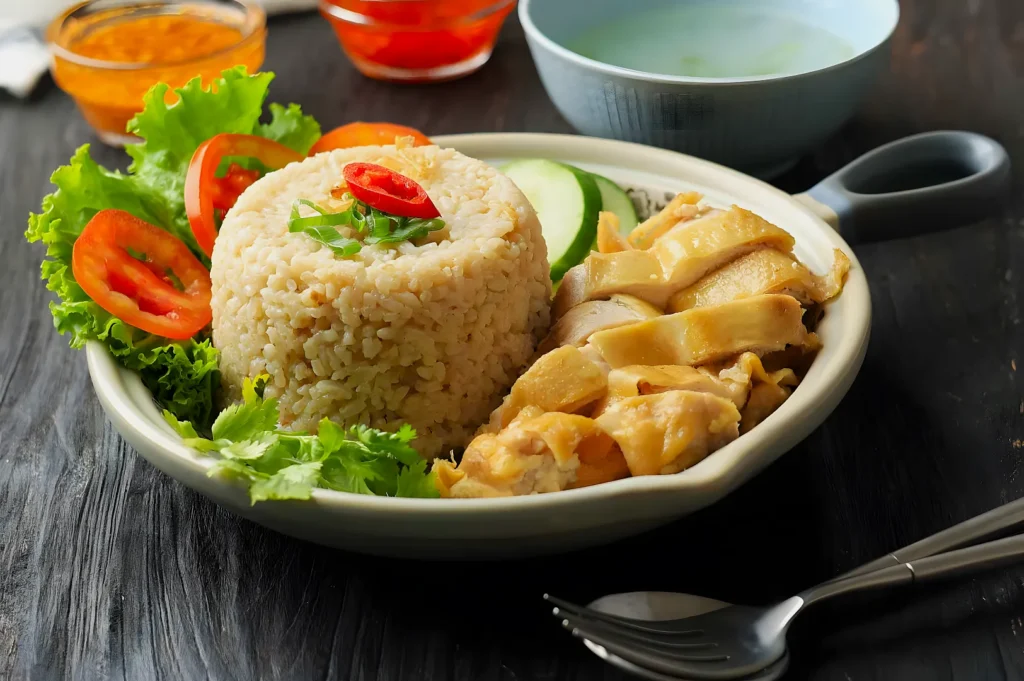
Hainanese chicken rice is singapore’s best food staple and national dish. Originating from Chinese immigrants from Hainan province, this deceptively simple dish features poached or roasted chicken served with fragrant rice cooked in chicken fat and stock, accompanied by chili sauce, dark soy sauce, and ginger paste.
Maxwell Food Centre is famed for Tian Tian Hainanese Chicken Rice, where queues form daily for its tender chicken and flavorful rice. Other notable spots include Boon Tong Kee and Yet Con, each offering variations with roasted chicken or different sauce balances. Soft boiled eggs and a bowl of clear broth are traditionally served alongside chicken rice, completing the meal.
Chili Crab and Singapore’s Seafood Legacy
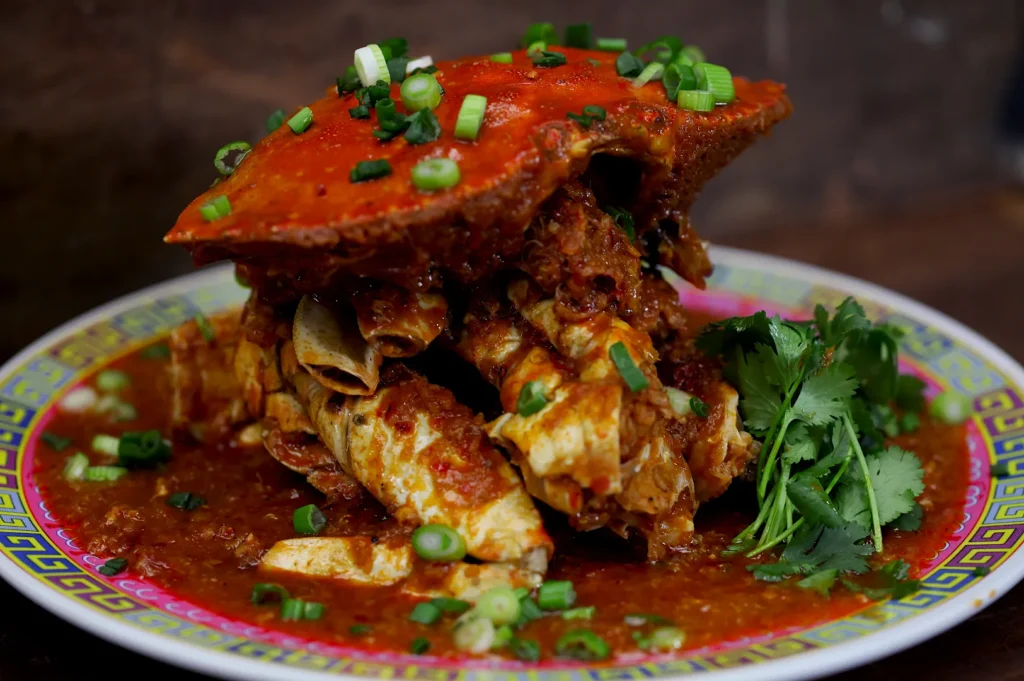
Chili crab is one of those iconic Singapore dishes that you just have to try. It’s all about bold, creative flavors. Imagine whole mud crabs wok-fried in this amazing sweet and tangy sauce made with chili sauce, tomato, and egg. It’s got just the right kick. Savory and spicy but not too overwhelming. And if you’re feeling adventurous, try the black pepper crab too. It’s cooked in this rich, buttery pepper sauce that’s seriously addictive.
The best part? Eating it with fried mantou buns to soak up all that delicious sauce. Some of the go-to places for chili crab are Long Beach Seafood and Roland Restaurant at Newton Food Centre. If you want to go all out, pair your crab with some fried fish and fresh seafood sides. It’s the perfect way to dive into Singapore’s amazing food scene!
Laksa and Peranakan Food: A Fusion Classic
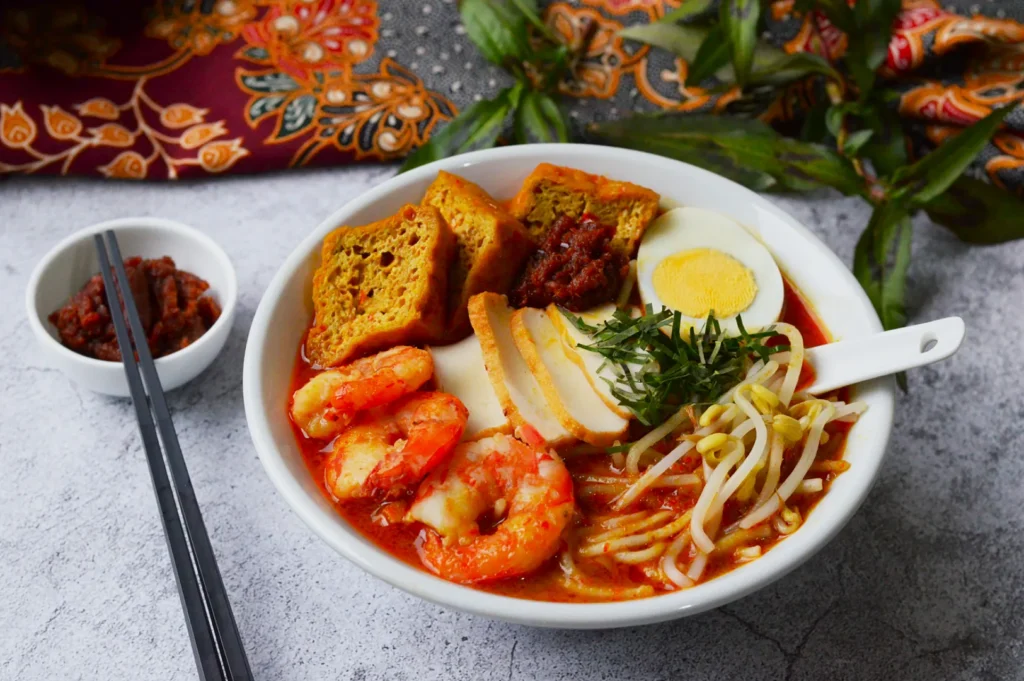
Laksa is one of those dishes you just have to try when you’re in Singapore. It’s a perfect example of peranakan food, which is this awesome mix of Chinese and Malay flavors. The coconut milk-based broth is rich and creamy, filled with spices and herbs that give it a lovely kick. Then there are those rice noodles, topped with tasty bits like fish cake, prawns, tofu stuffed with fish paste (tau pok), and crunchy bean sprouts that add a nice bite.
If you want to taste the local favorite, you can’t go wrong with Katong Laksa. It’s famous for its cut-up rice noodles that you eat with a spoon, super convenient and delicious. Places like 328 Katong Laksa and Sungei Road Laksa at Old Airport Road Food Centre serve up authentic bowls loaded with coconut milk and spicy chili sauce that really excite your taste buds.
Char Kway Teow: The Quintessential Hawker Noodle Dish
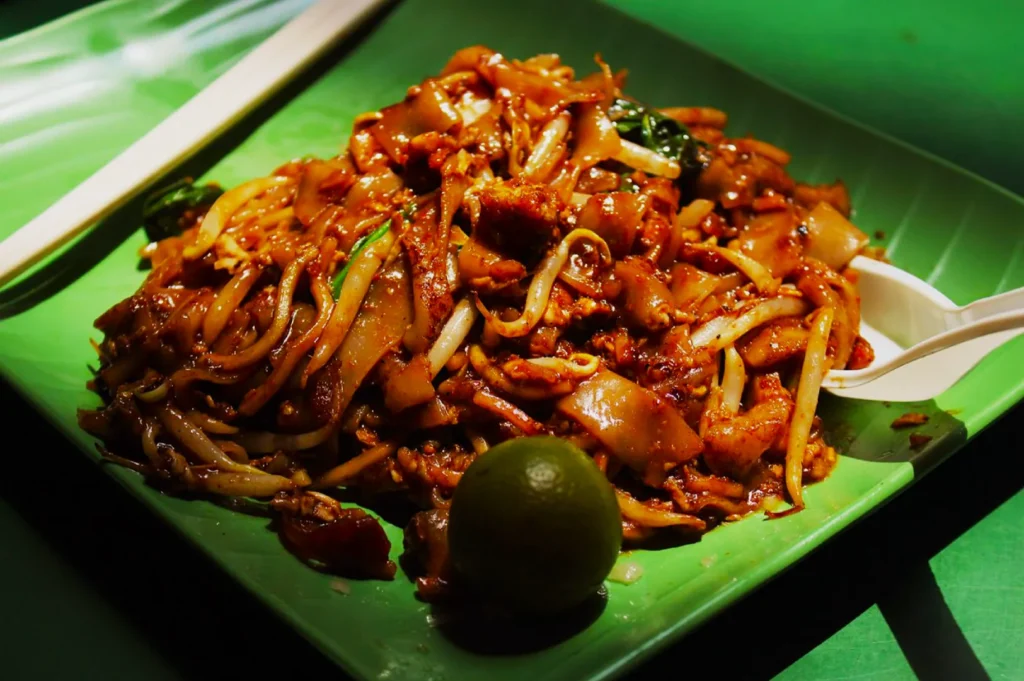
Char kway teow is a beloved noodle dish featuring flat rice noodles stir-fried with egg noodles, pork slices, Chinese sausage, minced pork, cockles, bean sprouts, and pork lard. The secret is wok hei—the smoky “breath of the wok”—which imparts an irresistible savory flavor.
Hill Street Char Kway Teow and Bedok 85 Fengshan Food Centre are renowned for their versions, often served with spicy chili sauce and dark soy sauce. The dish’s combination of chewy noodles and crunchy bean sprouts creates a satisfying texture contrast.
Bak Kut Teh: Meat Bone Tea Comfort Food
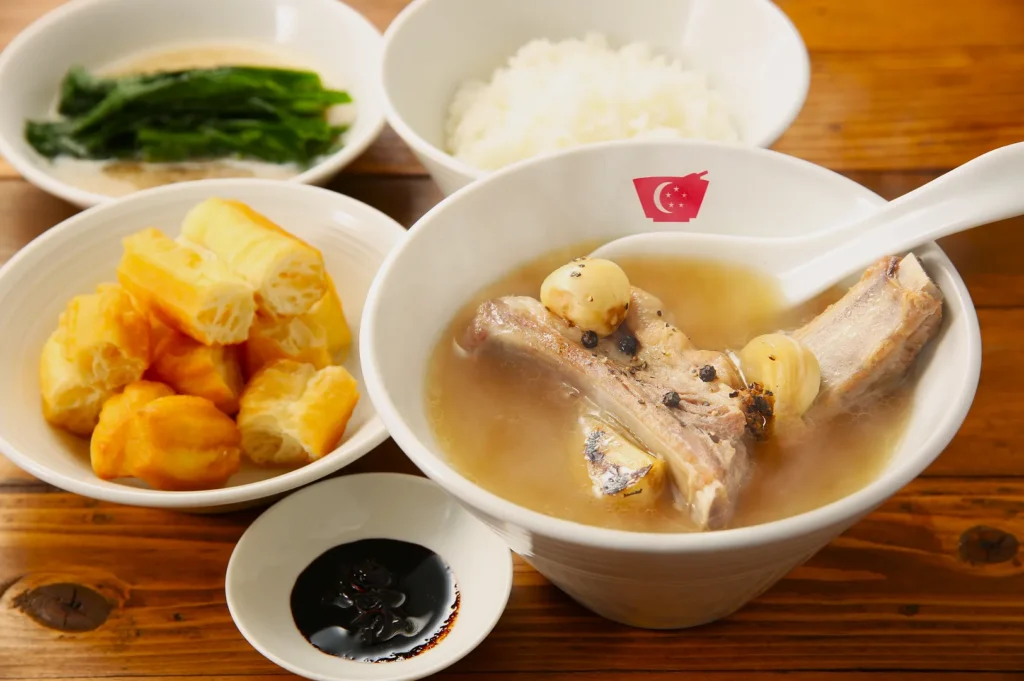
Bak kut teh, literally “meat bone tea,” is a hearty soup made by simmering pork bones and pork ribs with herbs and spices. Traditionally eaten alongside fragrant rice cooked with pork fat, this popular dish is served with fried tofu, preserved vegetables, and soft boiled eggs.
Ng Ah Sio and Song Fa Bak Kut Teh are among the best hawker stalls specializing in this comforting dish. The broth’s herbal aroma and tender pork make bak kut teh a favorite among locals and visitors seeking authentic food in singapore.
Hawker Centres: The Heartbeat of Singapore’s Food Scene
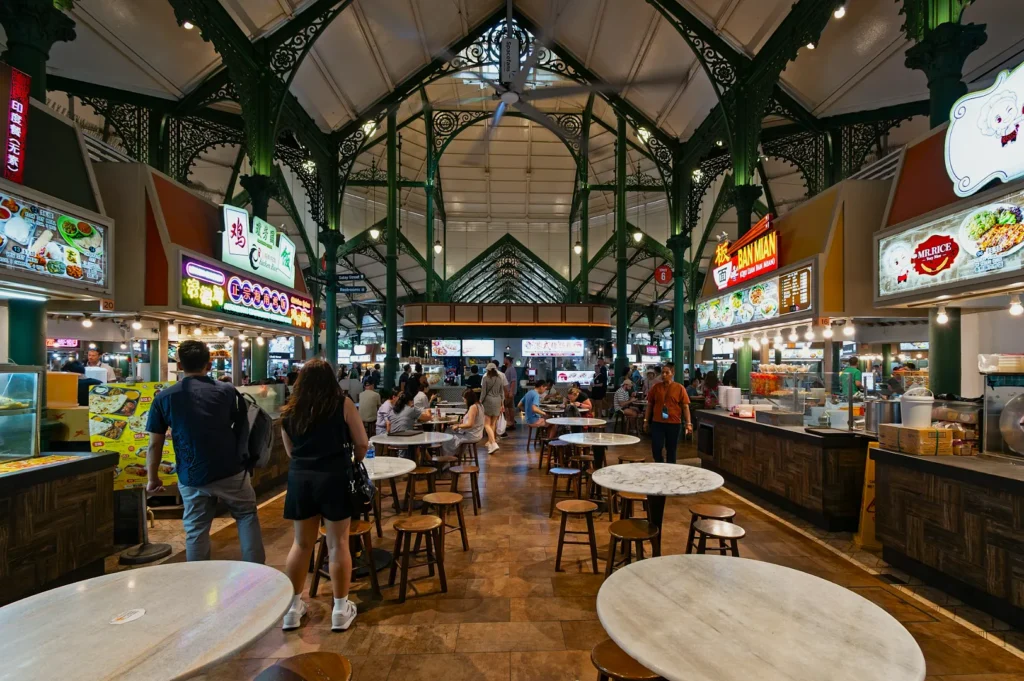
Hawker centres are lively open-air food courts filled with dozens of hawker stalls, each specializing in a particular dish. These centres make singapore’s best food accessible to everyone, offering a wonderful variety of flavors at affordable prices.
If you’re visiting for the first time, Maxwell Food Centre is a must-stop, home to iconic stalls like Tian Tian Hainanese Chicken Rice and Zhen Zhen Porridge. For a truly local experience, head to Old Airport Road Food Centre or Tiong Bahru Market, where you can savor authentic dishes such as fried fish, oyster omelette, and rice cakes, all served with the warmth and charm that define singapore’s food culture.
Indian Food and Malay Dishes: Rich Flavors and Traditions
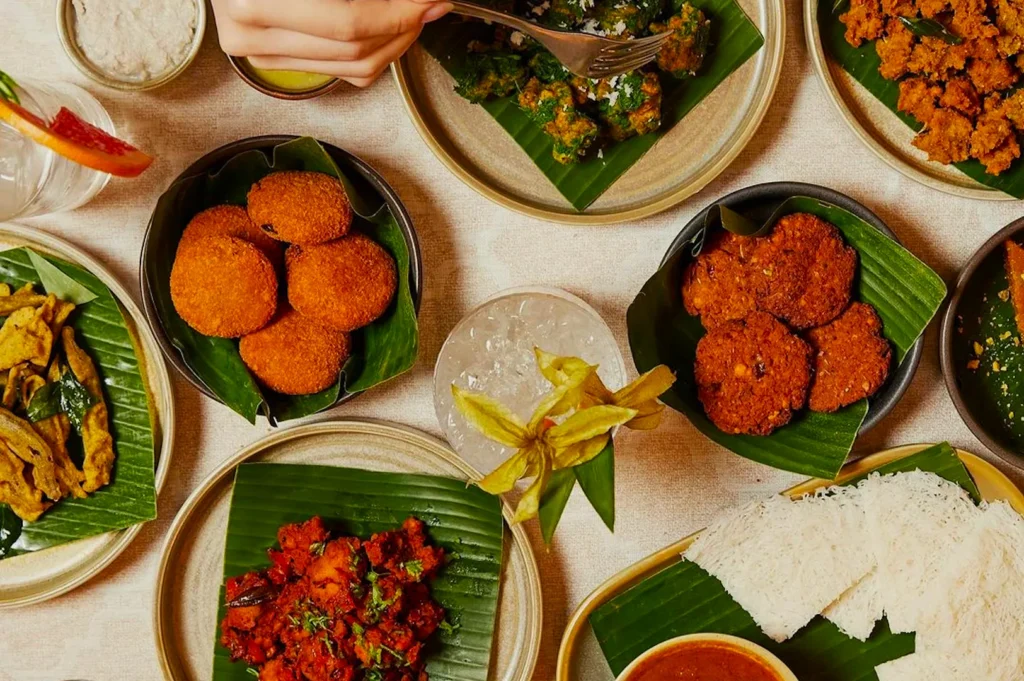
Singapore’s indian restaurants, especially in Little India and Tekka Centre, offer a range of dishes from dosas and biryani with basmati rice to murtabak and chicken curry. These dishes showcase complex spices and regional diversity.
Malay dishes like nasi lemak, fragrant with coconut milk and served alongside sambal chili sauce, fried chicken, fried fish, and anchovies, are staples traditionally eaten for breakfast but enjoyed throughout the day. Adam Road Food Centre and Hjh Maimunah Restaurant are popular spots for authentic Malay cuisine.
Roast Meats: A Savory Staple in Singapore’s Food Scene
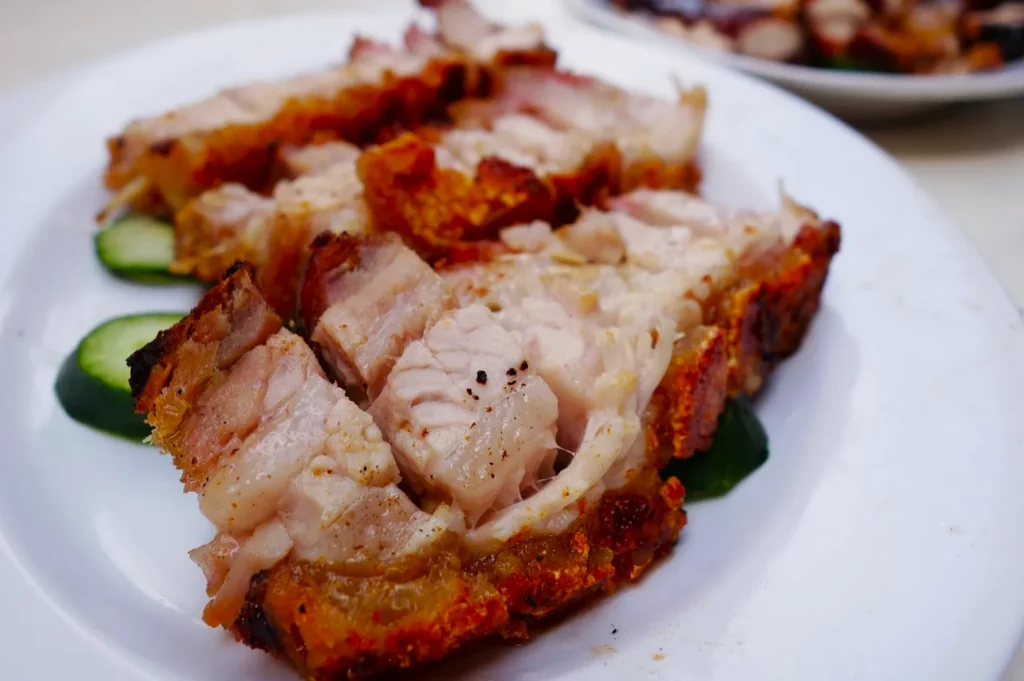
Roast meats are a beloved component of singapore’s best food offerings, commonly found at hawker centres and specialty restaurants in singapore. This category includes succulent roast duck, crispy pork belly, char siu (barbecued pork), and soy sauce chicken, all prepared with masterful techniques that enhance their savory flavors.
These meats are typically marinated with a blend of soy sauce, garlic, and spices before being roasted to perfection, achieving tender meat with crispy, flavorful skin. Served alongside fragrant rice cooked with chicken fat or plain steamed rice, roast meats are often accompanied by dipping sauces such as chili sauce and dark soy sauce to elevate the taste experience.
Fine Dining and Modern Innovations
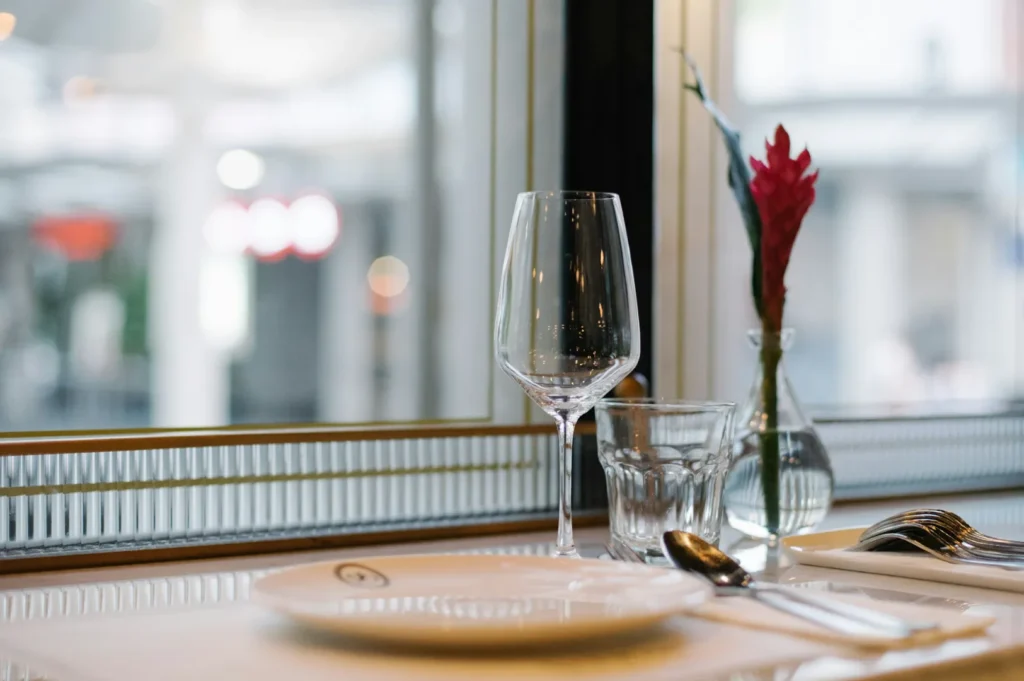
Singapore restaurants blend tradition and innovation, with establishments like Candlenut elevating peranakan food and wine bar offerings complementing local dishes. Modern chefs reinterpret classics while honoring singapore’s culinary heritage.
Sweet Treats and Refreshing Desserts
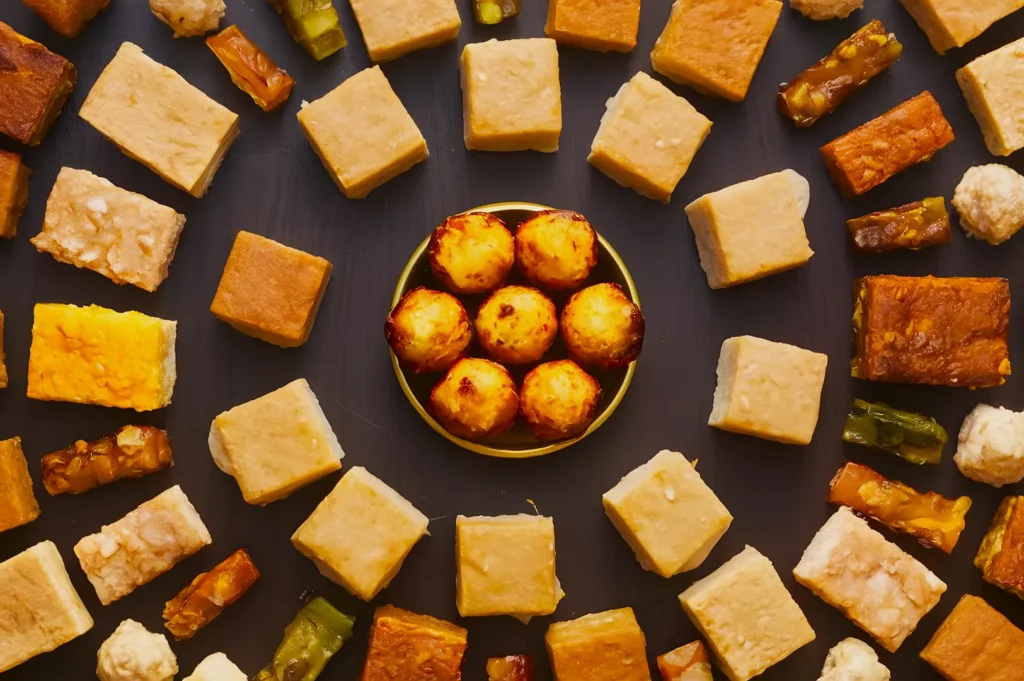
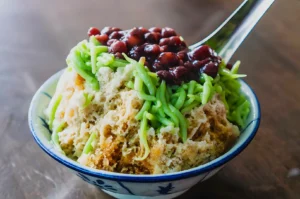
Traditional desserts like shaved ice topped with palm sugar and condensed milk, pandan chiffon cake made from glutinous rice, and durian-flavored treats provide sweet endings. Ice kachang and chendol are popular hawker centre desserts that cool and satisfy.
For more sweet discoveries, explore the best dessert places at Orchard Central in Singapore here.
Conclusion: Savor Food in Singapore’s Culinary Treasures
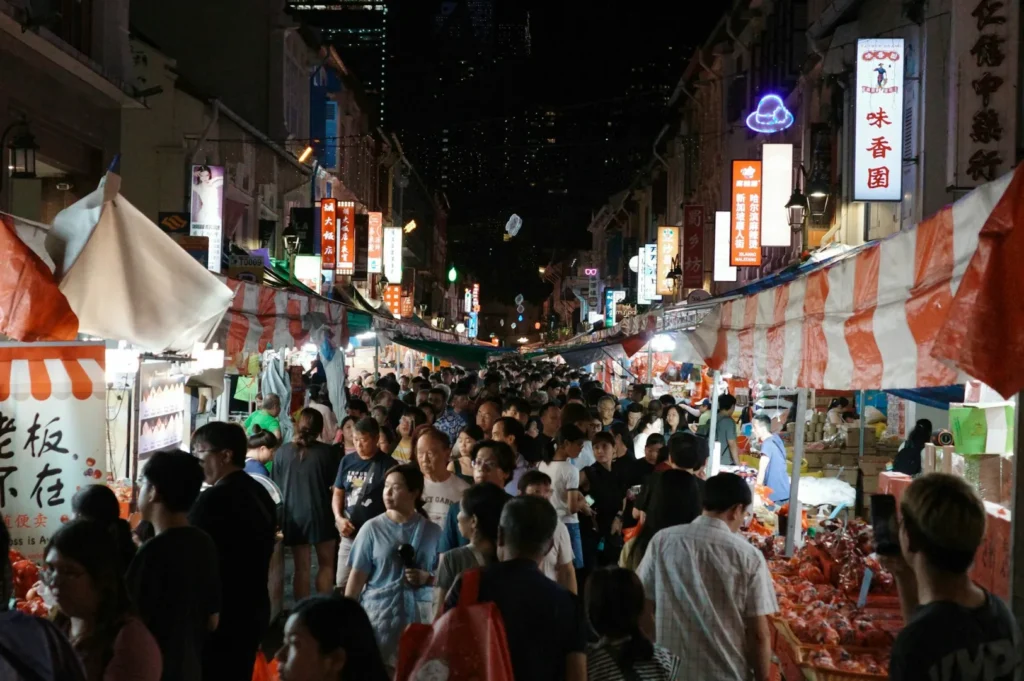
Singapore’s food scene reveals itself in layers, each bite carrying whispers of the cultures that have settled here over generations. There’s something in the way fragrant rice absorbs the gentle broth of hainanese chicken, how chili crab glistens with its sweet-heat glaze, how steam rises from morning bowls of bak kut teh, and how nasi lemak’s coconut rice holds the memory of countless early mornings. The hawker centres and restaurants scattered across singapore hold these stories in their collective rhythm, each stall a quiet testament to the island’s layered identity.
Walking through the bustling hawker centres at dusk, you notice how char kway teow darkens in the wok, how carrot cake sizzles against hot metal, how the scents of peranakan spices drift between conversations in three languages. A cup of sweet milk tea or kopi from a corner coffee shop seems to slow time slightly, creating space to observe the careful choreography of familiar routines.