Bandwidth and Efficiency in the Kitchen

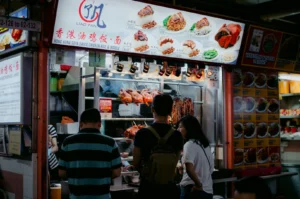
When a menu shrinks, the first thing that expands is bandwidth. A sprawling list of thirty dishes requires a vast inventory, complex prep schedules, and a kitchen staff stretched thin across numerous stations. Every service becomes an exercise in juggling, with the chef’s attention splintered across dozens of components. Reducing the menu to ten or twelve core dishes immediately brings clarity. The pantry becomes leaner, food waste diminishes, and the daily workflow grows calmer and more purposeful. The frantic energy of managing variety is replaced by the focused quiet of executing a smaller set of tasks with greater intention.
For more insight, check out What Happens When a Chef Cooks for Themselves.
Depth, Creativity, and Refinement
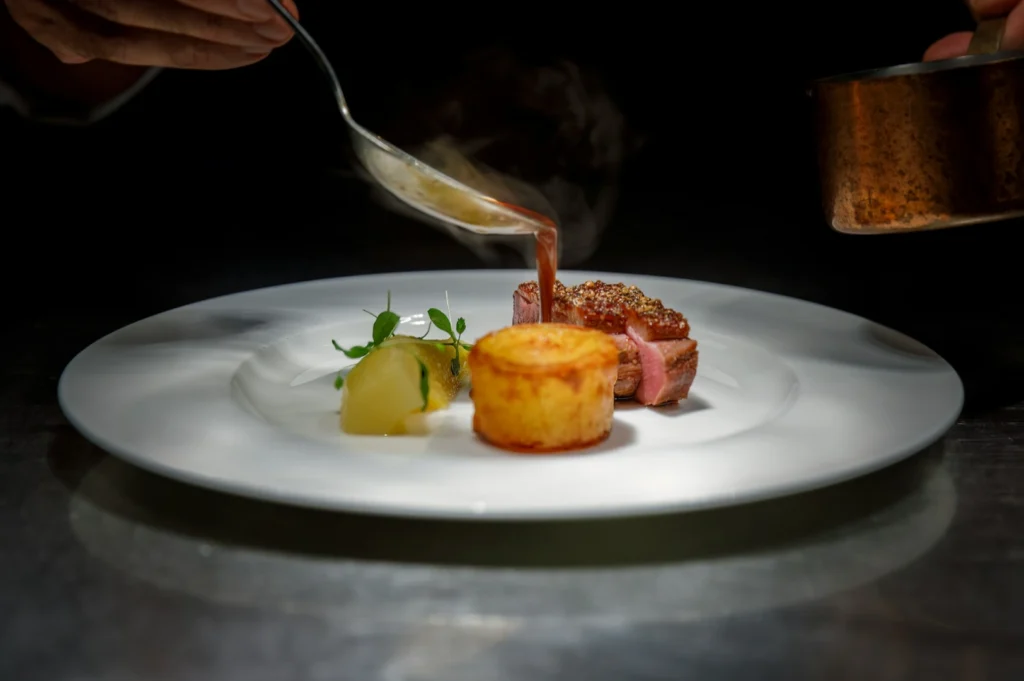
This shift has a profound effect on the cooking itself. When a chef makes the same dish every day for months, their relationship with it changes. It moves beyond a recipe to become a living thing. The chef starts to notice the subtle variations. They see how a few extra seconds on the heat affects the sear on a piece of fish, or how a slight adjustment in seasoning brightens a sauce. Repetition breeds a deep, intuitive understanding that is impossible to achieve when a dish only appears as a fleeting special. This is not the death of creativity. It is the beginning of a different kind of creativity, one rooted in refinement rather than reinvention. The challenge is no longer about what new dish to create, but how to make an existing dish incrementally better with every service.
A Clearer Culinary Vision

This focus also alters the chef’s role. They transition from a manager of complexity to a guardian of standards. Their energy is redirected from logistical firefighting to tasting, coaching, and fine-tuning. They have the mental space to think about sourcing, to build stronger relationships with suppliers, and to consider the diner’s experience with greater care. The menu becomes less of a showcase of the chef’s range and more of a clear statement of their culinary philosophy.
Ultimately, simplifying a menu is an act of clarification. It forces a chef to answer a difficult question. What is truly essential to their cooking? Stripping away the excess reveals the core. It is a decision that requires courage, as it leaves less room to hide. But for the chefs who embrace it, the reward is significant. It is not just a shorter list of dishes, but a deeper, more meaningful connection to the food they cook and the work they do.