Simplicity and Tradition in the Home Kitchen
What does a chef cook when the audience is not a dining room of strangers, but an audience of one or two loved ones? For Lidia Bastianich, an ambassador of Italian cuisine, the answer is found in simplicity and tradition. Away from the demands of her restaurants, the impulse is not to innovate but to comfort. It is a revealing look into the core of her culinary philosophy.
Foundational Dishes for Loved Ones
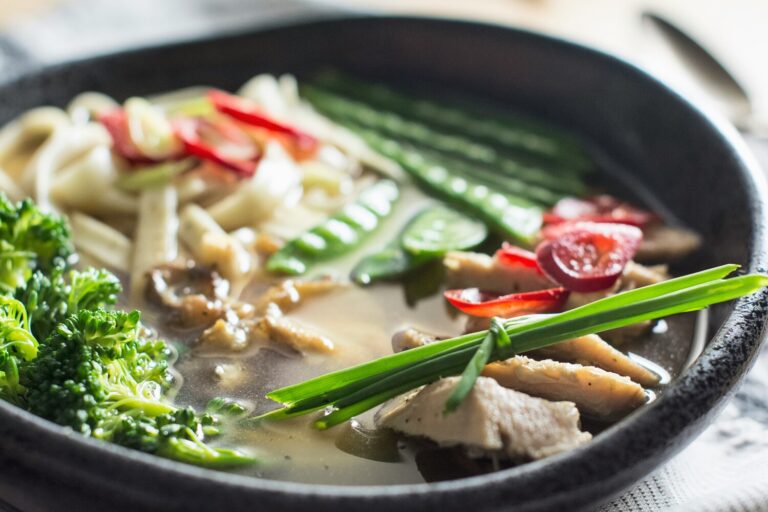
When cooking for her mother, Bastianich returns to foundational dishes. A simple chicken soup becomes Stracciatella, the classic egg drop preparation that turns a clear broth into a comforting meal. There are also risottos and pastas, assembled not with the rigid precision of a restaurant kitchen, but with the fluid intuition of a home cook. These are dishes built from the pantry, guided by what is on hand rather than a fixed menu. This shift from professional exactness to domestic resourcefulness is significant. It shows a cook for whom food is, first and foremost, about nourishment and connection.
Public Performance vs. Private Purpose
The contrast is clear. Her public-facing work involves preserving and elevating the grand traditions of Italian regional cooking for a global audience. Her private cooking, however, is about nurturing the people closest to her. There is no performance, only purpose. The techniques are second nature, but the intent is deeply personal.
The Source Code of Her Culinary Philosophy
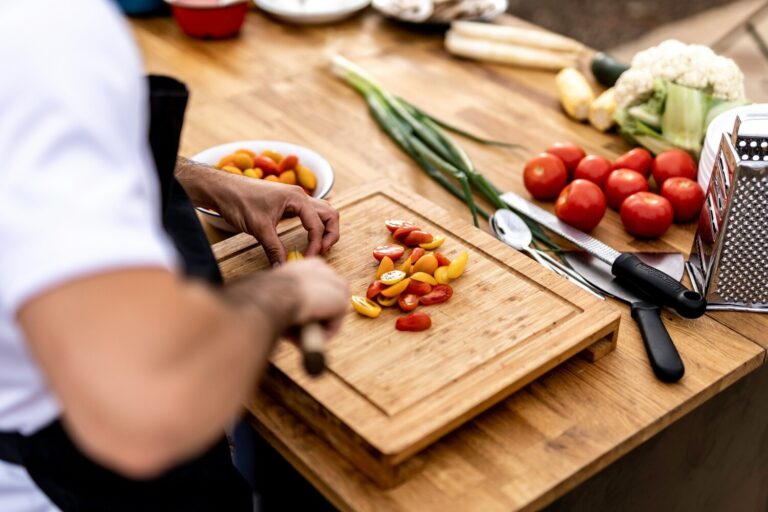
These quiet moments in her home kitchen are not a contradiction to her professional life. They are its source code. They reveal that for Bastianich, the most important function of cooking is not to impress but to care. It is a principle that quietly underlies every plate of food she has ever served, whether in her own home or in a bustling New York restaurant.
Discover More Culinary Artistry
This same philosophy, where purpose outweighs performance, can be seen in the quiet success of another culinary master. Discover more in my article: Omakase Singapore: One Year On, How Sushi Masa by Ki-setsu Became the Quiet Obsession.