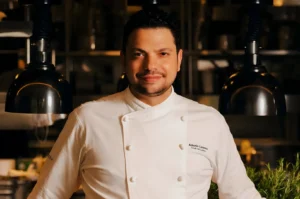
Most modern kitchens rush toward the new. They chase novelty, layer on fusion, and treat tradition as something to update rather than protect. Chef Pinaki Ray, Executive Chef at Yantra in Singapore, moves in the opposite direction. He treats food as a conduit of history, using each dish to reach back into the recipes that came before us. For him, the most radical thing a chef can do today is refuse to let the old ways disappear
The Chef's Story
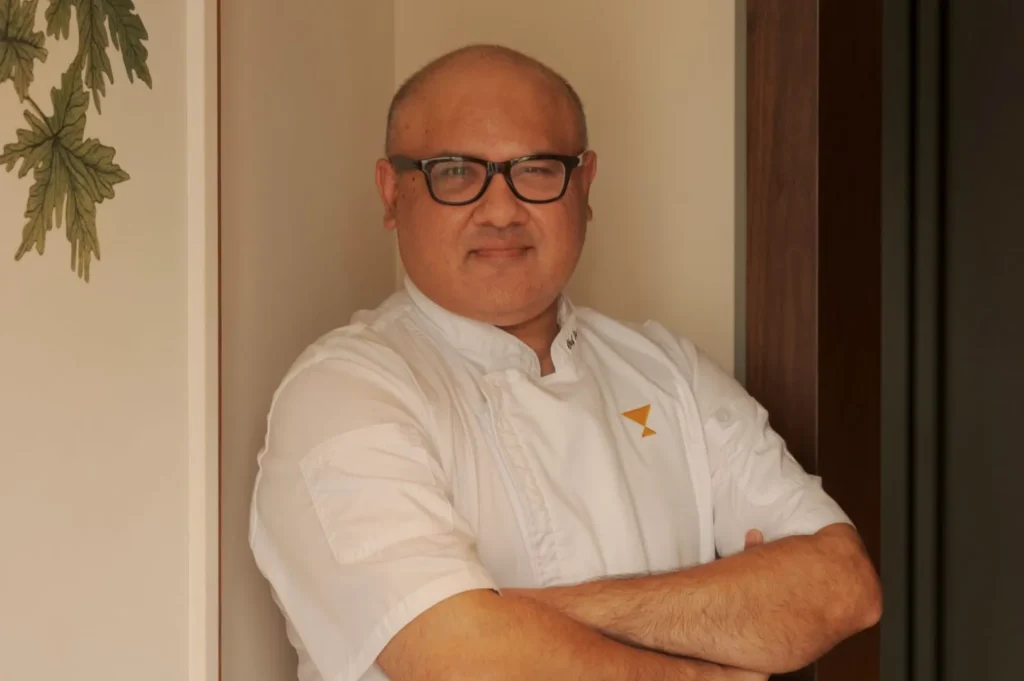
Pinaki Ray grew up surrounded by the food that shapes most of us long before we can name it. His earliest sense of good cooking came from home, from the meals his family knew and the meals their families knew before them. That is where his central idea begins. Food, he argues, is almost entirely grounded in the past. What we crave as adults is usually what we ate as children, carried forward through generations we never met.
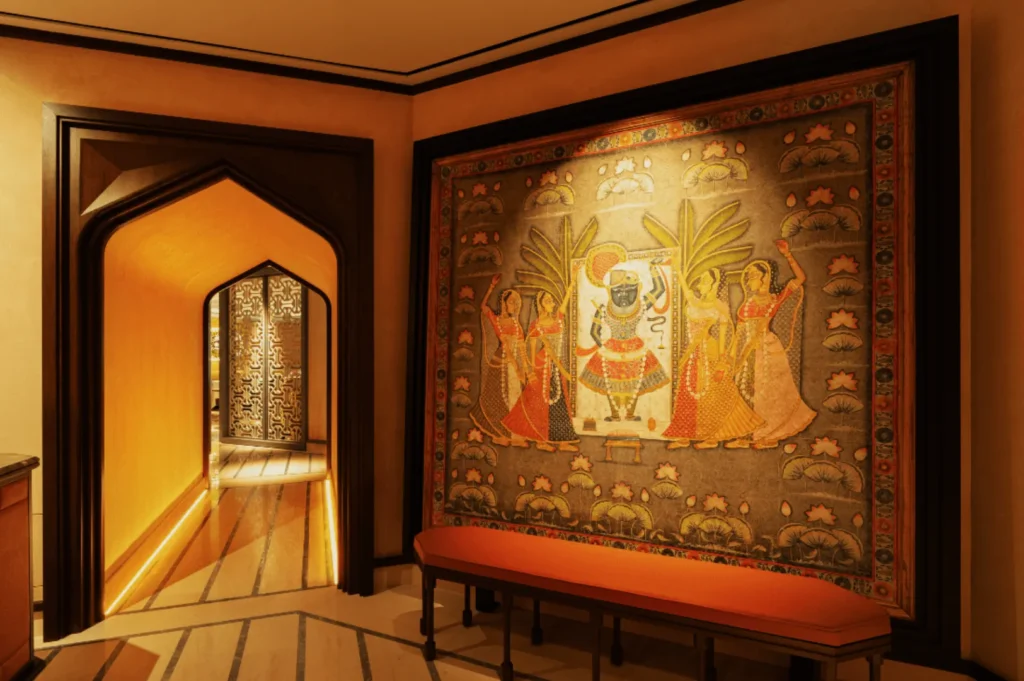
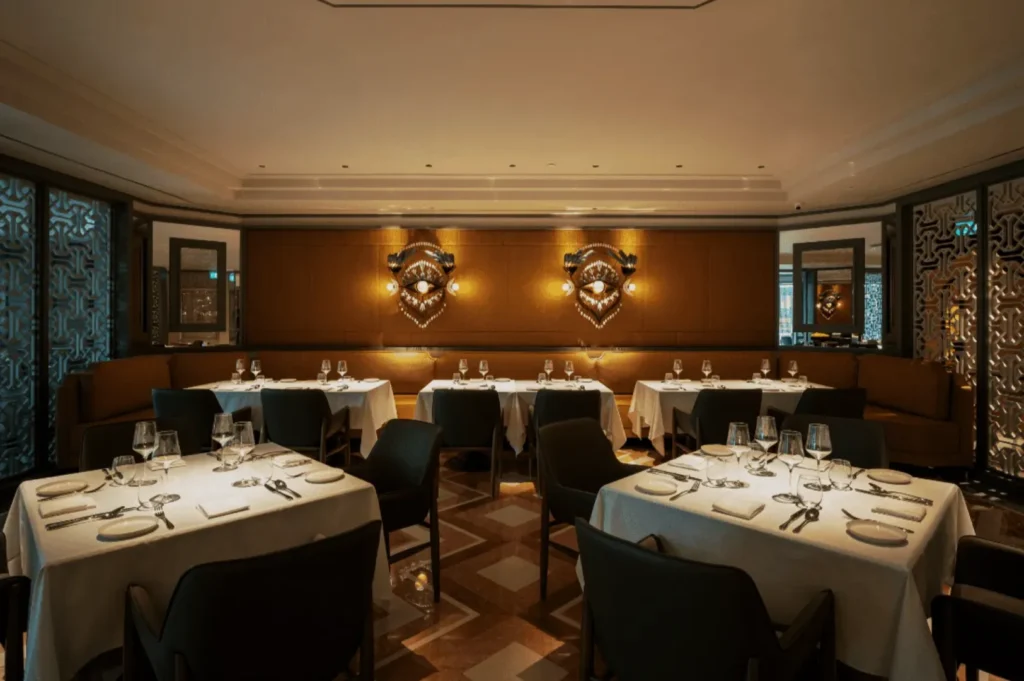
His career took that instinct and gave it discipline. He honed his craft at prestigious establishments, including Raffles Singapore and Marina Bay Sands, then continued traveling the world to refine his skills and share Indian cooking wherever he went. Today he leads the kitchen at Yantra, a restaurant tucked beneath Tanglin Mall that opens into a sprawling, richly decorated ode to India. The space itself stages a quiet dialogue between geography and culture, and Ray’s food carries that same conversation onto the plate.
Chef Philosophy: How He Cooks
Ray’s approach rests on a few firm principles. Each one points back to the same belief: that authenticity is worth more than reinvention.
History First
He sees recipes as records. When original dishes get modernized into oblivion, a piece of cultural memory goes with them. Yantra deliberately bucks that trend. The team hunts for original regional recipes, the ones slipping out of common practice, and brings them back to the table.
No Fusion, Only Heritage
Yantra’s output has been described as “Indigenous Heritage Cuisine,” and the label fits. The food is region-specific but never a blend of outside influences. Many of the dishes are family recipes, rejuvenated rather than reinvented. Ray draws a clear line here. He wants dishes that are distinctly Indian, not dishes diluted by trends from other cuisines.
Connecting India Without Flattening It
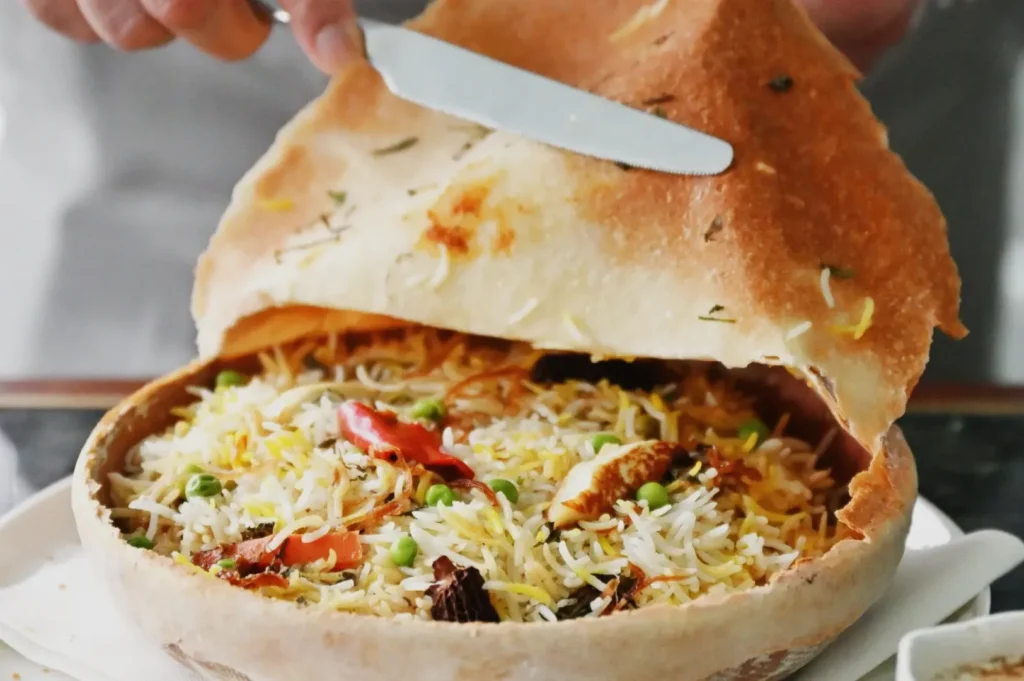
India is vast, with many states and many distinct cuisines. Rather than smoothing those differences into one generic “Indian” menu, Ray looks for the touchpoints that link them. Consider the thosai: in some regions it is a fermented pancake, while in Bengal it goes unfermented and becomes the casing for a sweet. Or take biryani, with roughly a hundred variations and an astonishing range of rice. What unites them is the process, the dum, the act of cooking a dish in its own juices. Ray uses these shared methods to connect the dots between regions while letting each one keep its character.
Ingredients and Process Above All
Like the great chefs he has worked with, Ray places enormous value on quality produce. His logic is simple: with great ingredients, you get great food. That belief shows up in how strictly he treats sourcing and technique, and in his refusal to lean on shortcuts that mask a recipe rather than honor it.
Featured Dishes
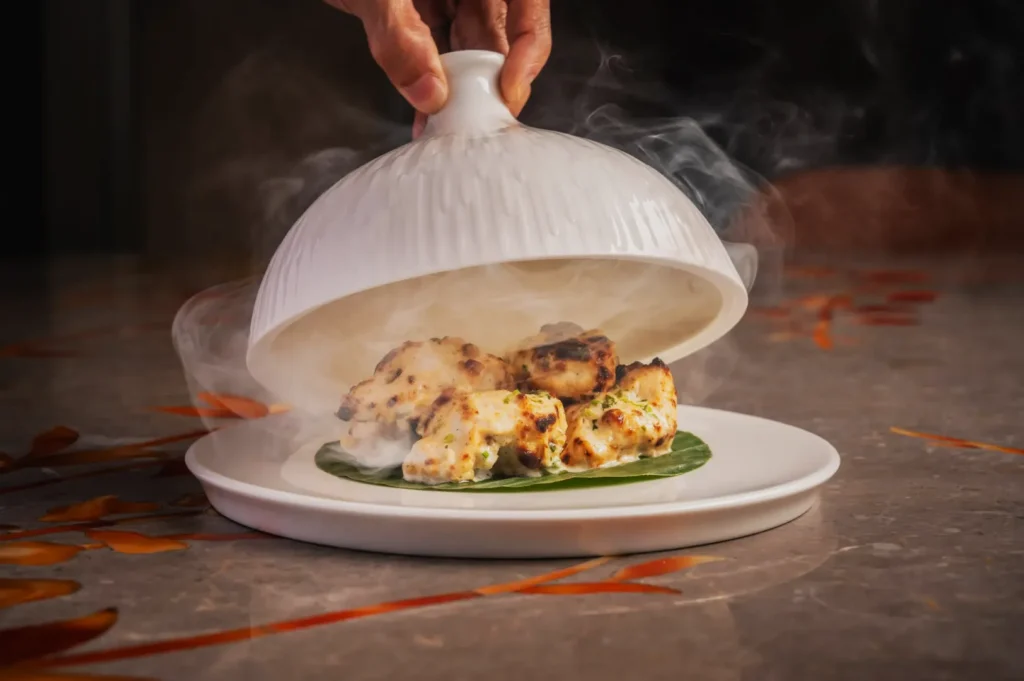
Yantra’s Butter Chicken
Butter chicken became the toast of the town for Yantra, which Ray finds slightly amusing. He is quick to note that the dish is not an ancient or intricate part of Indian cuisine. It grew out of cooks repurposing leftover tandoori chicken in butter and tomatoes. Even its origin is disputed. So Ray follows history as closely as he can. He skips the cream and heavy thickeners that many versions rely on. Instead, he builds the sauce from high-grade, uniformly ripe tomatoes, keeps it light, and cooks the chicken almost to order. The result is a familiar dish stripped back to something more honest.
Vegetarian Cooking as a Craft
Ray is candid that non-vegetarian dishes demand less invention. Meats carry their own fixed flavors, and you work with what they give you. Vegetarian cooking is where the real engineering happens. In a country that is predominantly vegetarian, the challenge is to coax vegetables into the depth and satisfaction usually associated with meat. Ray takes obvious pleasure in this. Getting a beautiful vegetarian dish out of his kitchen is, for him, one of the great rewards of the work.
Why Singapore Suits the Mission
Singapore turns out to be an unlikely ally for a chef obsessed with regional accuracy. The country grows little of its own produce, so it imports constantly from everywhere. That means ingredients flow in year-round. Mangoes are a neat example. In India they appear only in summer, and other countries have their own short seasons. In Singapore, the steady stream of imports keeps them available all year. For a kitchen trying to recreate dishes from across India, that constant access to ingredients is a quiet but real advantage.
What to Try
Book a table at Yantra and order the butter chicken the way Ray intends it, light and tomato-forward rather than heavy with cream, then let the regional dishes show you how many Indias can sit on one menu without losing themselves.
If you’re planning a celebration and want something more intimate, here’s a thoughtful guide to private dining in Singapore.