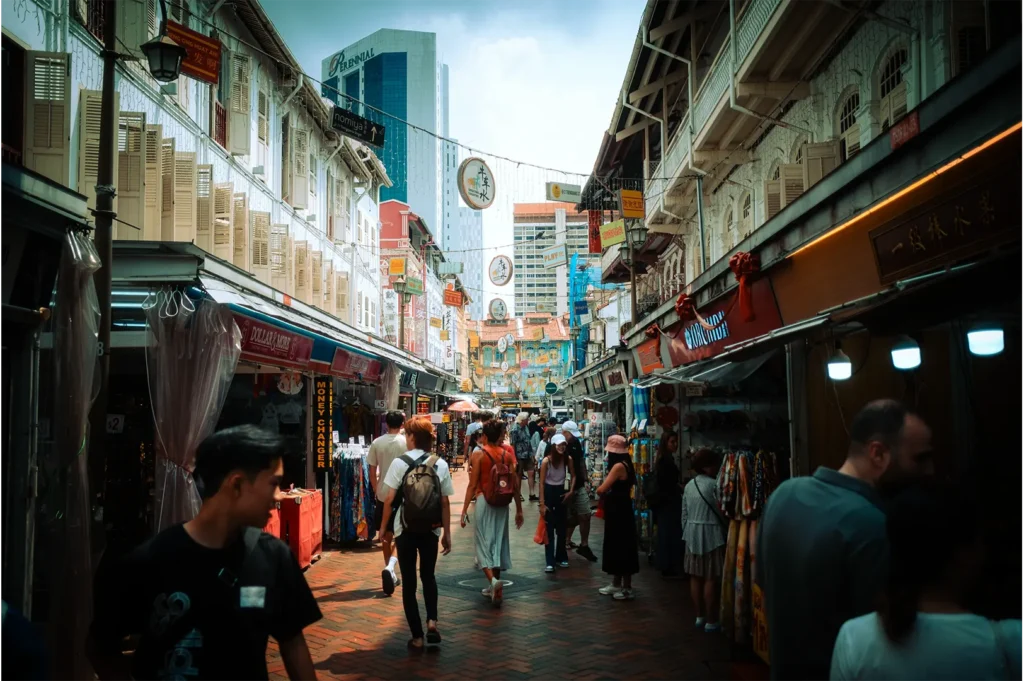
The first thing you notice in Singapore is the smell.
Not one smell, but many, layered on top of each other. Charred satay over open flame. Turmeric and coconut simmering in a pot. The sharp sweetness of soy caramel. A whole island seasoned by everyone who ever arrived here and stayed.
I have thought about this a lot, standing in queues at hawker centres, watching an uncle plate chicken rice with the same three motions he has probably done a million times. How did one small place become a plate that holds all of Asia?
The answer is not in a cookbook. It is in the people who came.
The People Who Arrived
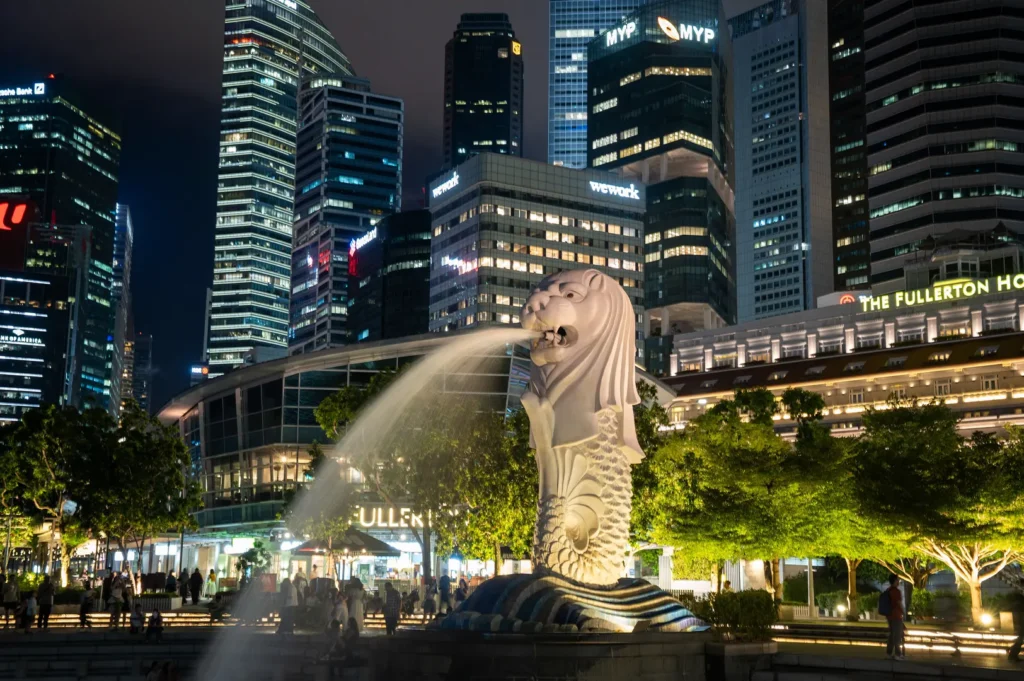
Singapore has always been a place people passed through, then chose to remain.
In the nineteenth century, as the port grew busy, migrants came from southern China, from the Indian subcontinent, from the Malay Archipelago. They brought little with them. But they brought their kitchens in their memory.
The Chinese came from provinces like Fujian and Guangdong, and later Hainan and Teochew regions too. Each group carried its own way of cooking rice, its own broth, its own idea of comfort. Hainanese cooks, working in colonial households, would later shape the chicken rice so many now call national.
The Malay community, rooted here long before the port boomed, kept the coconut, the lemongrass, the patient layering of spice. Nasi lemak came from this. So did the slow, sweet heat of rendang carried across from the wider region.
Indian migrants, many from the Tamil south, arrived to work the docks and beyond. They brought lentils, chilli, and the griddle. Roti prata, flipped thin and eaten with dhal, grew out of that arrival.
And then the Peranakans, descendants of earlier Chinese settlers who married into Malay families, whose kitchens became something entirely their own. Their food—Nonya food, Peranakan Food Singapore is known for—is the clearest proof of what happens when two cultures cook in the same house for generations.
A Home in the Recipe
None of these people came to start a food scene.
They came to work, to survive, to send money home. The food was private at first. A taste of somewhere else, cooked in a rented room, shared among people who understood the ache behind it.
That, to me, is where Singapore food culture really begins: not with ambition, but with homesickness.
When Kitchens Started Talking
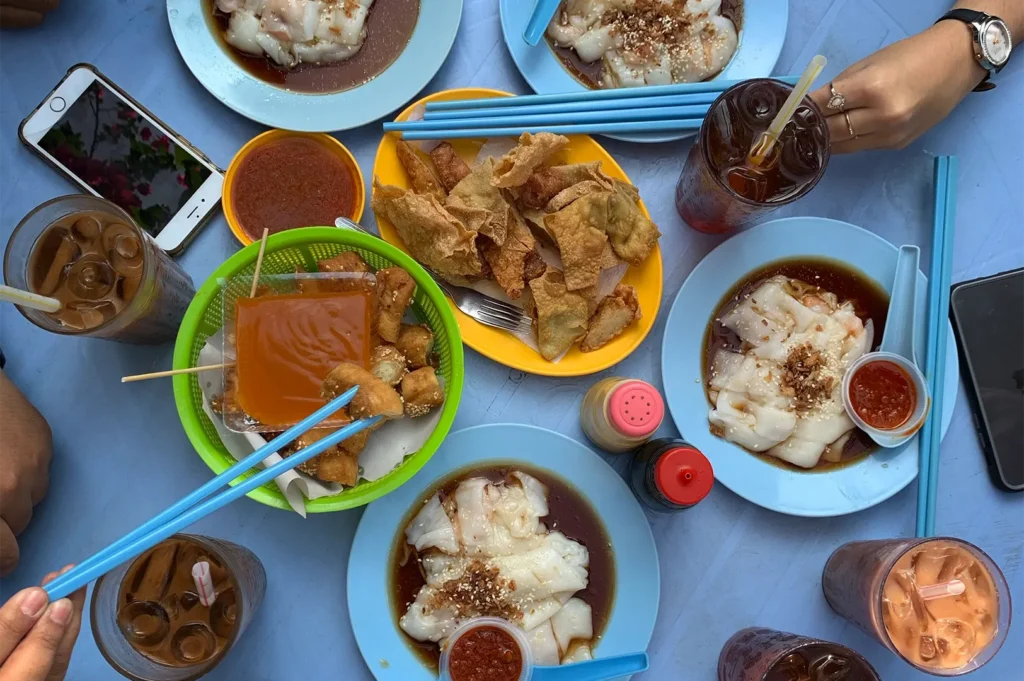
What makes Singapore different is not that many cultures arrived. That happened in many port cities.
What matters is that they stayed close, and their kitchens began to talk.
A Chinese cook tasted a Malay spice paste and thought, what if. A Malay stall borrowed a wok technique. An Indian kitchen adjusted the heat for a local tongue. Nobody signed off on this. It simply happened, meal after meal, across shared tables and narrow streets.
Laksa is maybe the best example. A noodle dish held together by coconut and spice, Chinese and Malay at once, impossible to assign to a single origin. It belongs to the in-between. It belongs to Singapore.
Adapting, Not Erasing
The interesting part is that nothing was flattened.
Communities adapted dishes without erasing where they came from. A Peranakan meal still tastes distinct from a Malay one. Teochew porridge is not Cantonese. The lines stayed visible even as they blurred at the edges.
This is the quiet genius of multicultural food here. It did not become one thing. It became many things, living side by side, occasionally reaching across the table to borrow a little salt.
The Port That Fed the Plate
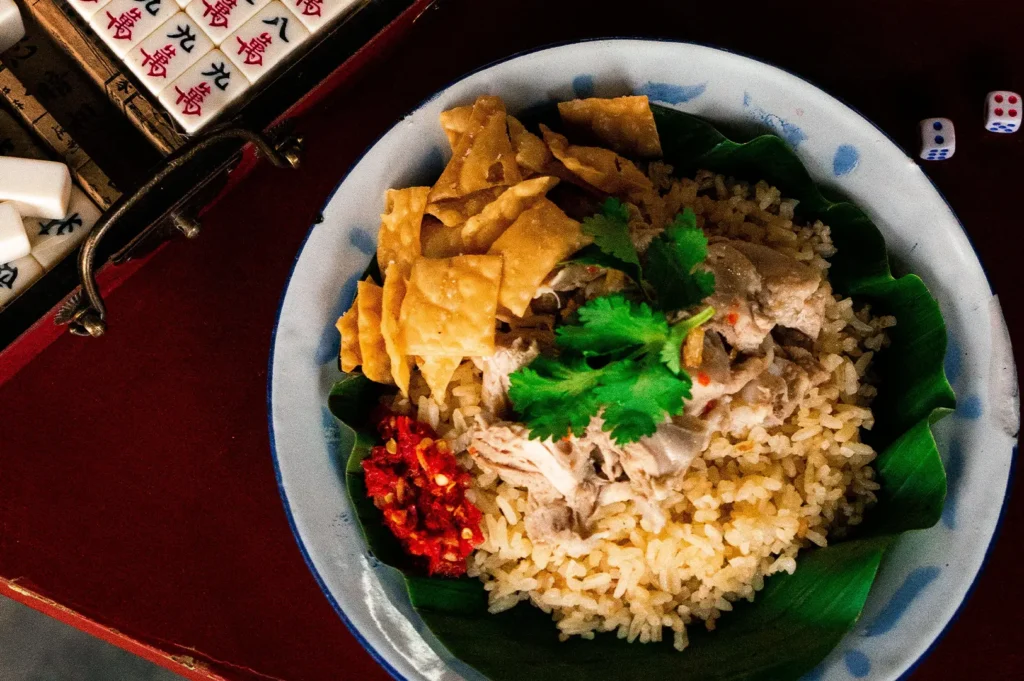
You cannot understand the food without understanding the harbour.
Singapore’s location made it one of the great trading posts of Asia. Ships stopped here on the routes between India, China, and the wider world. With them came goods, and among those goods, ingredients.
Spices moved through this port in enormous quantities. Chilli, which itself had travelled across oceans before reaching Asia, found a permanent home in local cooking. Dried goods, fresh produce, and cooking techniques all passed through, and some of them stuck.
Trade did something subtle to the cooking here. It made abundance normal. A cook could find ingredients from many places in one market, which meant a dish never had to stay pure. It could reach for whatever was good that morning.
A Market Logic
Walk through a wet market today and you still feel this.
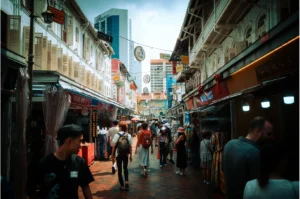
Chinese greens beside Indian spices beside Malay herbs, all under one roof. The proximity is not decorative. It is the reason a single kitchen can cook across three traditions without ever leaving the block.
The port stopped being just a place of passage. It became a pantry.
From Street Corner to Institution
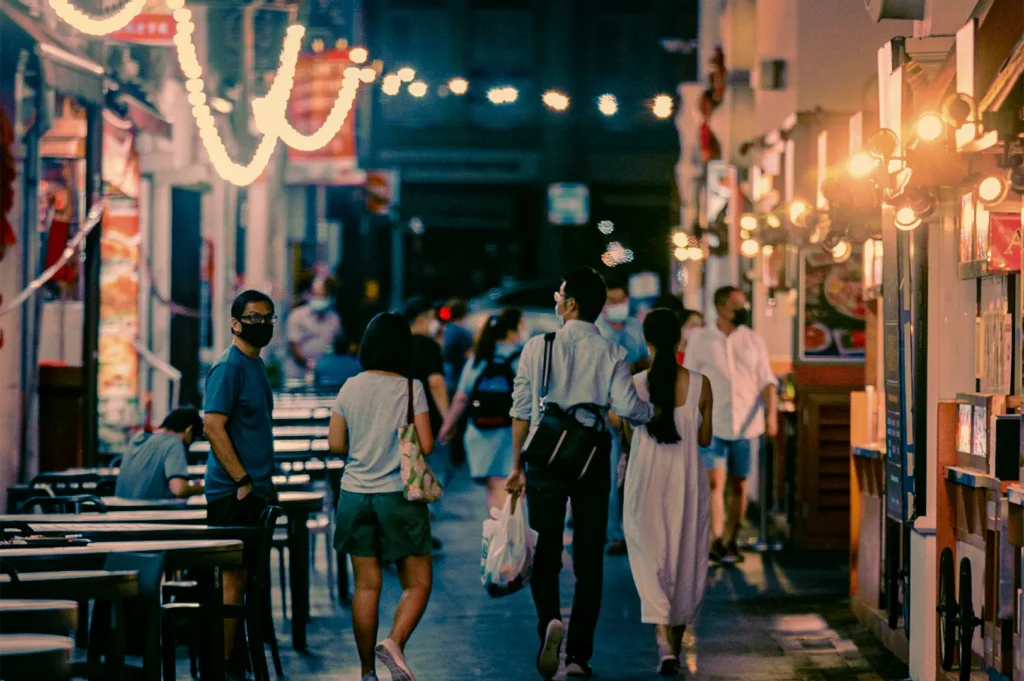
For a long time, this food lived on the street.
Hawkers pushed carts and set up along five-foot ways, cooking over charcoal, calling out to passing workers. It was cheap, fast, and deeply personal. Your hawker knew your order. The food was made by hand, one bowl at a time.
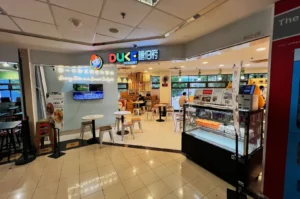
By the middle of the twentieth century, the government began moving these hawkers into built centres, partly for hygiene, partly for order. Something could have been lost in that shift. Instead, the hawker centre became one of the most important things about eating here.
In 2020, this hawker culture was recognised by UNESCO as intangible cultural heritage, a formal acknowledgement of what locals had always known. These centres are not food courts. They are community dining rooms, where a banker and a bus driver eat the same five-dollar plate at neighbouring tables.
If you want a vivid taste of that everyday magic, here’s a guide to Top Must-Try Tekka Centre Food for an Authentic Culinary Journey.
The New Cooks
The story did not stop there.
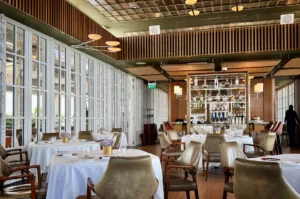
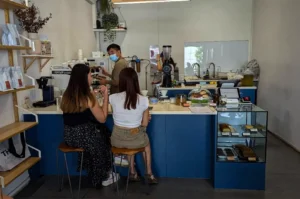
A younger generation of cooks has taken these flavours somewhere new. Some stayed in the hawker centre, refining a single dish their family has cooked for decades. Others moved into restaurants, plating local flavours with technique learned abroad.
Singapore now holds a serious fine dining scene, some of it earning global recognition. But the interesting thing is how often those kitchens look back. A tasting menu might quietly reference laksa, or chilli crab, or a grandmother’s rendang.
The evolution runs both ways. The street feeds the fine dining room, and the fine dining room sends people back to the street, curious about where it all started.
Why It Still Feels Like Home
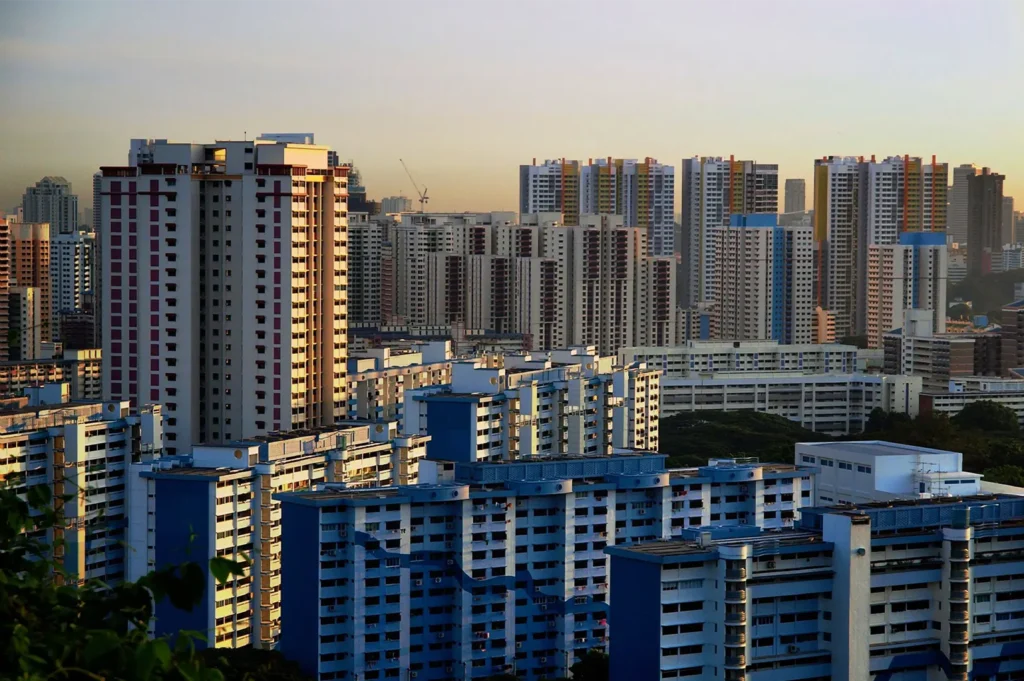
I keep coming back to that first idea: that this began with homesickness.
Every plate here carries the memory of somewhere else, softened by the years spent here. That is what makes Singapore food culture feel so alive. It is not a museum. It is still being cooked, still being adapted, still being argued over at family tables.
Ask ten people where to eat and you will get ten different answers, each one loyal, each one certain. That loyalty is the whole point. The food is personal because the history is personal.
Singapore became Asia’s food capital not through planning, but through people: those who arrived carrying recipes they could not afford to forget—who cooked beside one another until the borders between their kitchens grew soft.
The next time you sit at a hawker table, look at the plates around you. Chinese, Malay, Indian, Peranakan, all within arm’s reach.
That is not a menu.
That is a history you can taste.