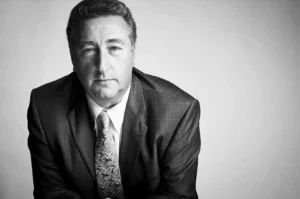
It started with a Brooklyn kitchen.
Not a famous one. Not one with a name. Just a room where the son of Italian immigrants watched fresh produce turn into dinner, where the seasons decided what landed on the table, and where cooking was simply what a family did together.
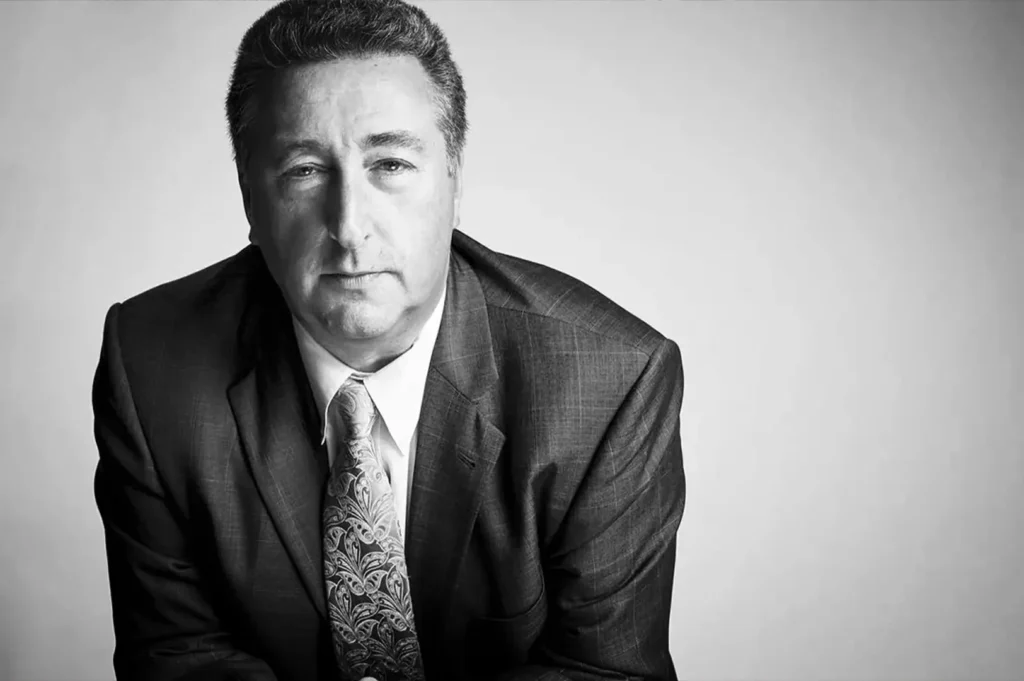
Ralph Scamardella has spent nearly four decades since then, in kitchens across three American cities and now high above Singapore. But if you listen to how he talks about food, you can still hear that first room in it.
The Boy From Brooklyn
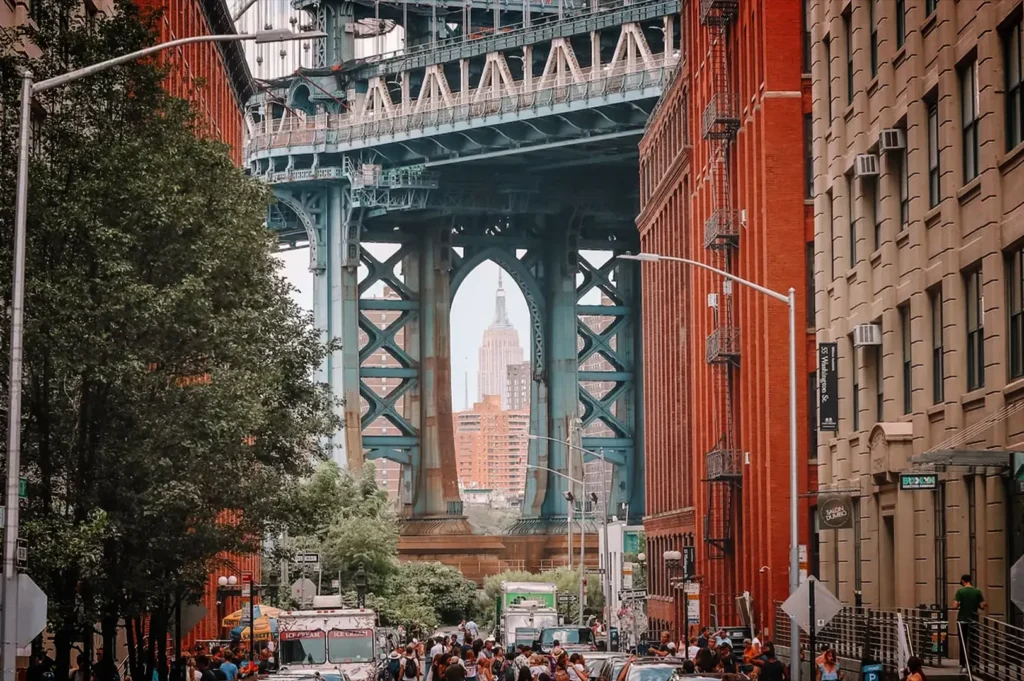
His parents came from Italy. They brought with them a way of cooking that needed no explanation — fresh ingredients, seasonal produce, respect for what the market gave you that week.
Scamardella grew up inside that rhythm. Long before culinary school, before the accolades, he already understood the thing that most cooks spend years chasing: good food starts with good ingredients, treated simply.
That belief never left him. It’s the quiet spine of everything he cooks now, even fifty-seven floors up.
Learning the Trade
He didn’t rush.
He began his studies at New York City’s Technology Institute, learning the business side — hotel and restaurant management — while sharpening his hands at The Plaza Hotel’s French restaurant. Two educations at once. One in numbers, one in flame.
Then came the turn that shapes so many great cooks: a mentor.
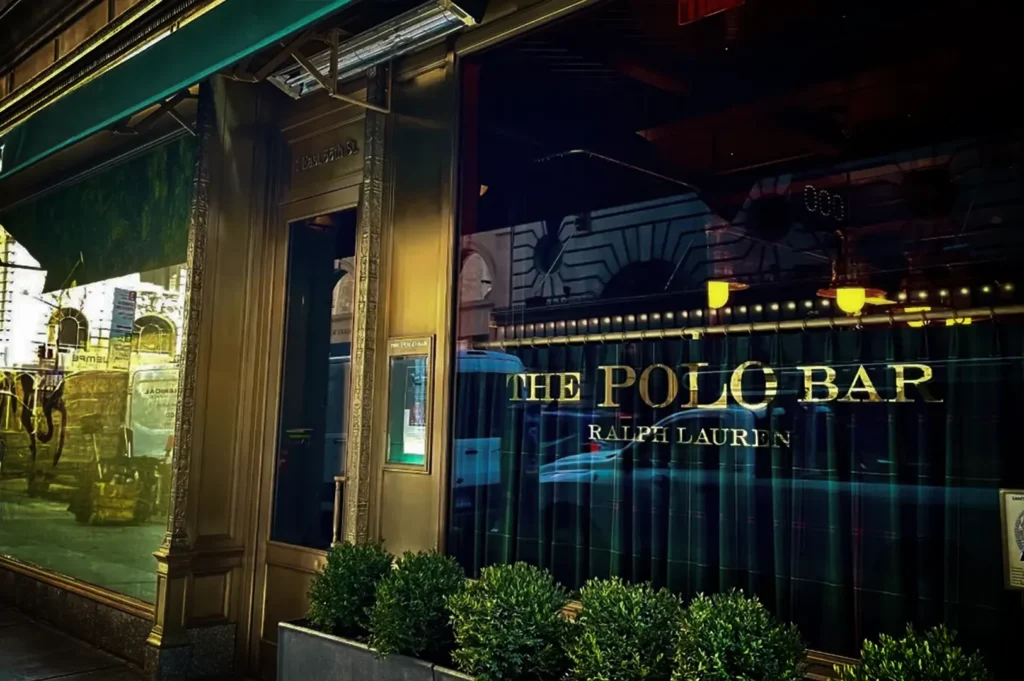
He worked under Daniel Boulud at Polo Restaurant, one of the true masters. You don’t come out of a kitchen like that unchanged. You learn how discipline feels, how precision becomes a habit, how a plate can carry intention.
The recognition followed. At Vanessa’s, where he served as Executive Chef, he earned a two-star review from The New York Times. Later, as chef and partner, he helped drive the concept and success behind Carmine’s — a place that fed crowds and meant it.
After nearly fifteen years and several projects, he stepped out of the kitchen for a while to consult. Then came the chapter that would carry his name furthest.
Building LAVO
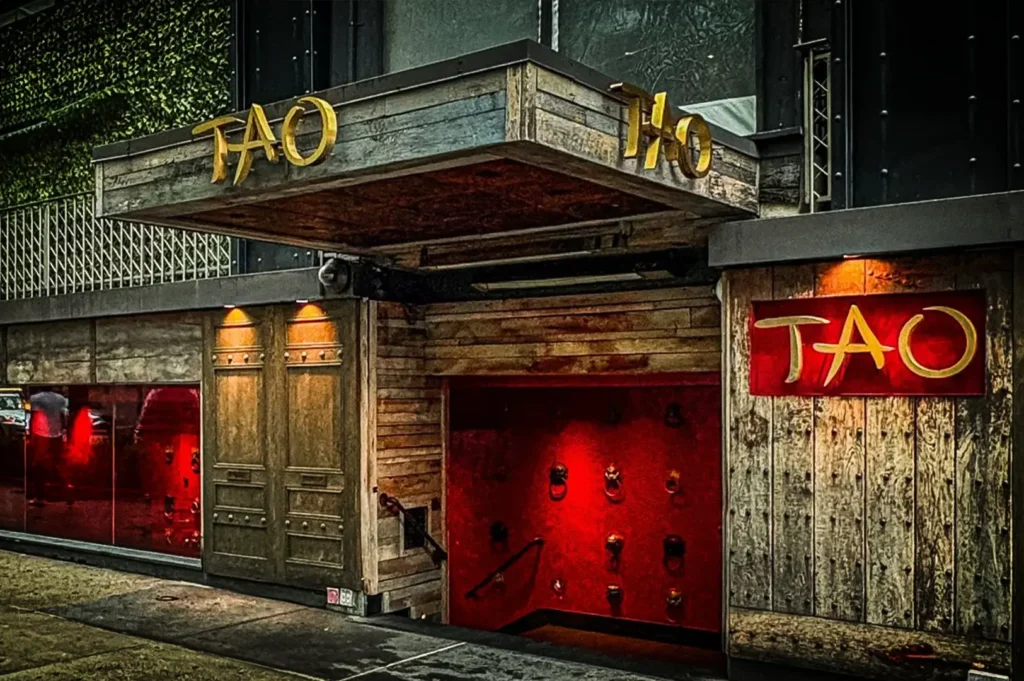
In 2007, Scamardella joined TAO Group as Corporate Executive Chef and Partner. It was the beginning of something large.
He opened LAVO Italian Restaurant and TAO Beach in Las Vegas. Then LAVO in New York. Then TAO Downtown in Chelsea, and a run of concepts that stretched from the East Coast to Los Angeles.
Today he serves as Chief Culinary Officer of TAO Group Hospitality, overseeing every chef and every concept across New York, Las Vegas, Los Angeles, and the LAVO restaurants in Singapore and Mexico City.
That’s a lot of ground for one person to hold. But the thread running through all of it is surprisingly simple — the same one from that Brooklyn kitchen. Fresh. Seasonal. Honest.
What LAVO Cooks
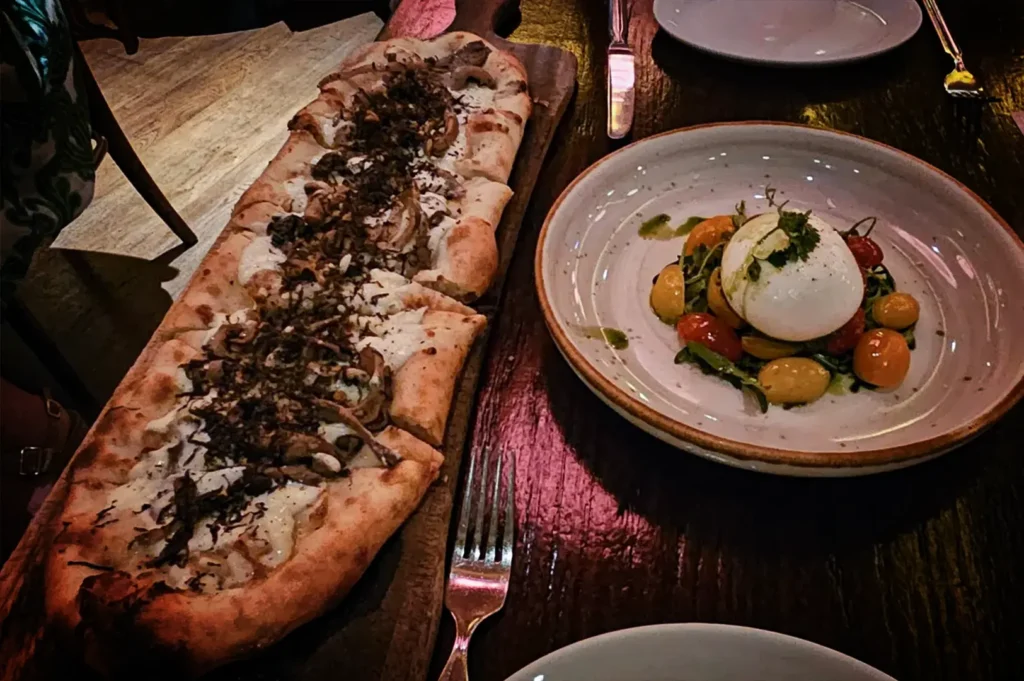
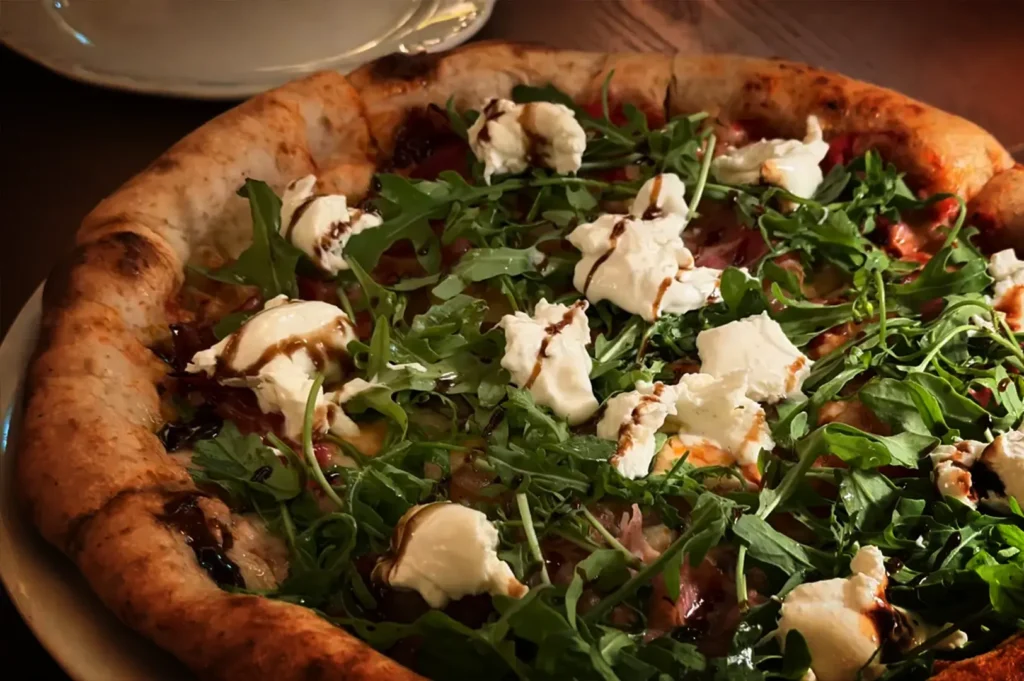
The food at LAVO leans coastal Italian. Light, zesty, bright as Sicilian sun.
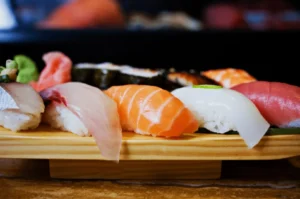
It’s grounded in tradition but carries a modern, urban edge — the flavours of coastal Italy meeting the pace of a big city. Refreshing crudos. House-made pastas. Dishes prepared with simplicity and a respect for quality produce, rather than cleverness for its own sake.
There’s an Italian-American warmth underneath it all, too. This is a chef who will tell you, without a shred of pretense, that his deep dark secret is a mayonnaise sandwich — toast the bread, spread the mayo. A man who cooks for crowds and still loves the plainest comfort.
That honesty is the point. LAVO treats dining as a social ritual. Food as a love language. Not a performance, but a table you want to stay at.
Fifty-Seven Floors Up
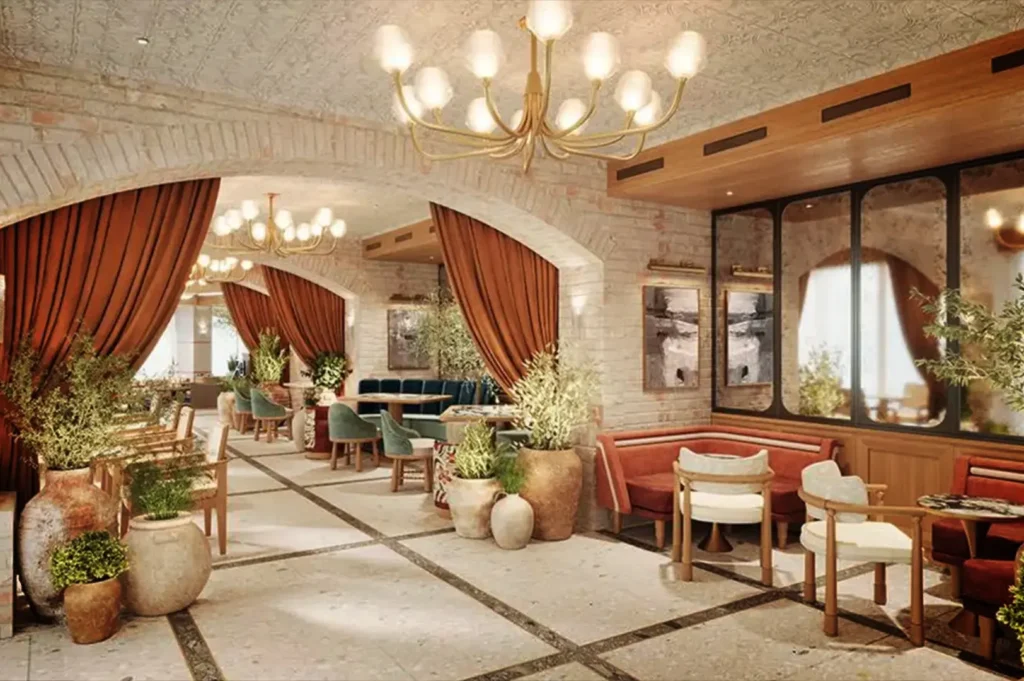
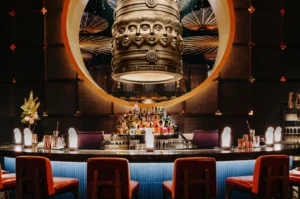
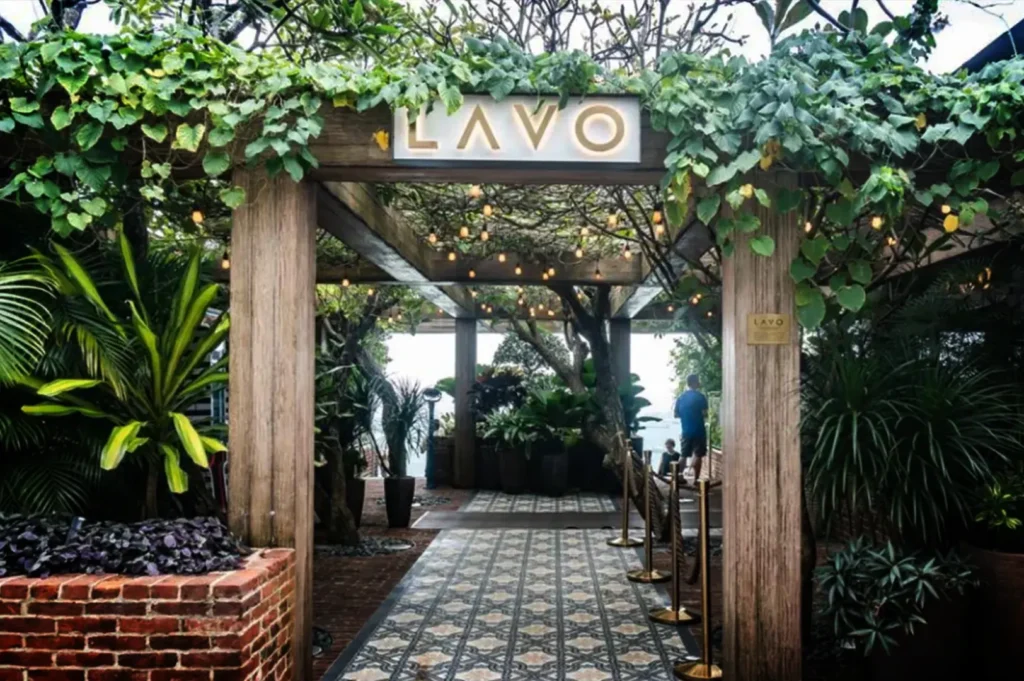
In Singapore, LAVO sits at the top of Marina Bay Sands. Tower 1, Level 57. The city glitters below like something spilled.
By day, it’s an ode to sun-kissed coastal Italy, reimagined by a city that lives in permanent summer. By night, the energy shifts. The terrace opens up, the bar hums, the views wrap around you, and a single Negroni has a way of becoming a few more.
It would be easy for a place like this to coast on the view. Many rooftops do. What keeps LAVO grounded is the cooking underneath the spectacle — the coastal Italian food, prepared the way Scamardella has always believed food should be prepared.
The height is the drama. The kitchen is the substance.
What His Food Still Remembers
Strip away the empire, the cities, the tower, and you find the same thing you started with.
A kid in Brooklyn. Immigrant parents. Fresh produce on a family table. A belief that dining is something people do together, not something they consume alone.
Scamardella built something enormous. But the food never forgot where it came from. It stays light. It stays seasonal. It stays a little bit like home, even fifty-seven floors above the ground.
That, more than any accolade, is what lingers.
If You Go
Sit by the windows if you can, but don’t let the skyline do all the talking. Order a pasta. Start with a crudo. Let the food remind you that behind the view is a chef who learned to cook in a kitchen that had no view at all.
If you’re planning a full Marina Bay Sands food crawl beyond LAVO, Food Stories has a great roundup of top picks to bookmark.
LAVO sits at 10 Bayfront Ave, Tower 1, Level 57, Marina Bay Sands. Go hungry. Stay for the Negroni. Let the evening take its time.