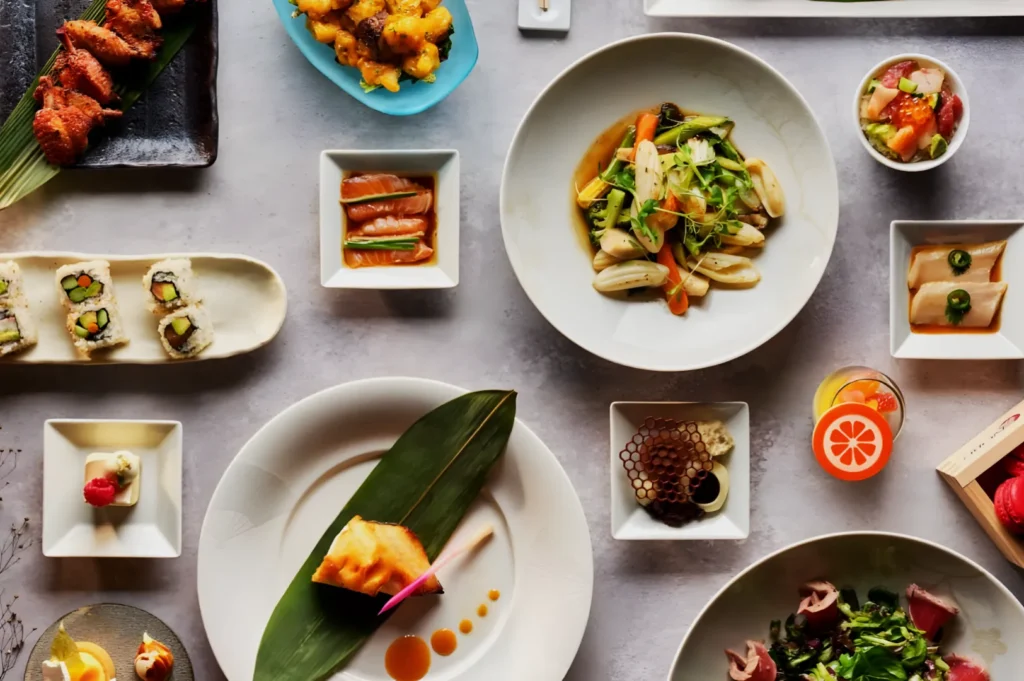
Singapore has always been a city shaped by overlapping flavours. Chinese, Malay, Indian, Peranakan, Japanese, and Western influences already exist naturally within the local food culture, which is probably why fusion food works especially well here when it’s done with intention.
The best Asian fusion restaurant Singapore concepts are not simply combining ingredients for novelty. They understand the original dishes first. They know where the flavours come from, why certain spices work together, and how memory shapes taste. The result is often a dining experience that feels familiar and surprising at the same time.
From modern tasting menus inside the Michelin Guide to more relaxed restaurants serving reimagined comfort food, these are six places worth considering if you’re exploring Asian fusion Singapore dining right now. For those interested in iconic dining experiences beyond Asian fusion, explore our curated top picks for Marina Bay Sands, featuring a variety of celebrated restaurants and unforgettable culinary moments.
| Restaurant | Location | Cuisine Style | Highlights | Dining Experience |
|---|---|---|---|---|
| Labyrinth | Esplanade Mall | Modern Asian Fusion | Creative reinterpretations of local dishes | Modern tasting menus, Michelin Guide |
| Candlenut | Dempsey Hill | Peranakan Fusion | Refined traditional Peranakan dishes | Authentic yet refined, emotionally connected |
| Thevar | Keong Saik Road | Indian-European Fusion | Bold spice-forward seafood and grill dishes | Confident, intense flavours, Michelin Guide |
| Nouri | Duxton Hill | Crossroads Cuisine | Layered fusion inspired by shared heritage | Elegant, subtle, thoughtful cooking |
| Cloudstreet | Neil Road | Sri Lankan-Australian Fusion | Spice-driven seafood and pasta courses | Ambitious, rich, emotionally warm |
1.) Labyrinth: A Michelin Guide Favourite for Modern Asian Cuisine
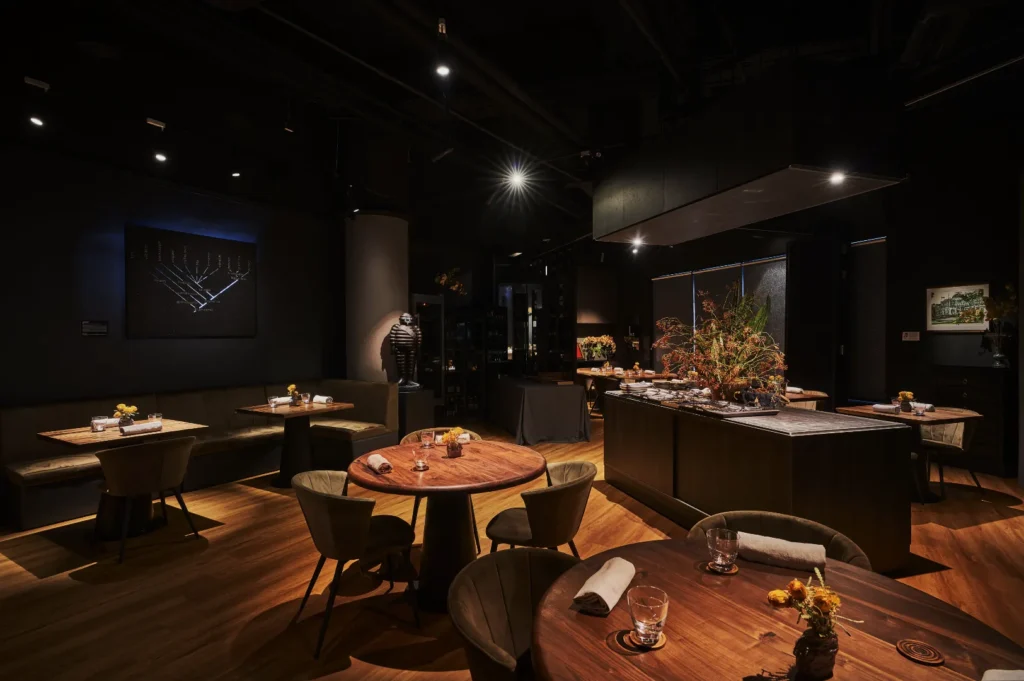
Among Singapore’s most recognised Asian fusion restaurant Singapore concepts, Labyrinth continues to lead conversations around modern Asian cuisine and Singaporean identity.
Located at Esplanade Mall, chef LG Han’s restaurant explores local dishes through a contemporary lens, adding a modern twist to familiar flavours. His menu often references hawker culture, traditional recipes, and the tastes many Singaporeans grew up eating. But instead of recreating them directly, he reconstructs them entirely with a unique blend of textures, sauces, and presentations.
One course might resemble ang moh chicken rice, while another draws inspiration from chilli crab or Hainanese pork dishes, showcasing culinary excellence through innovative techniques.
What stands out
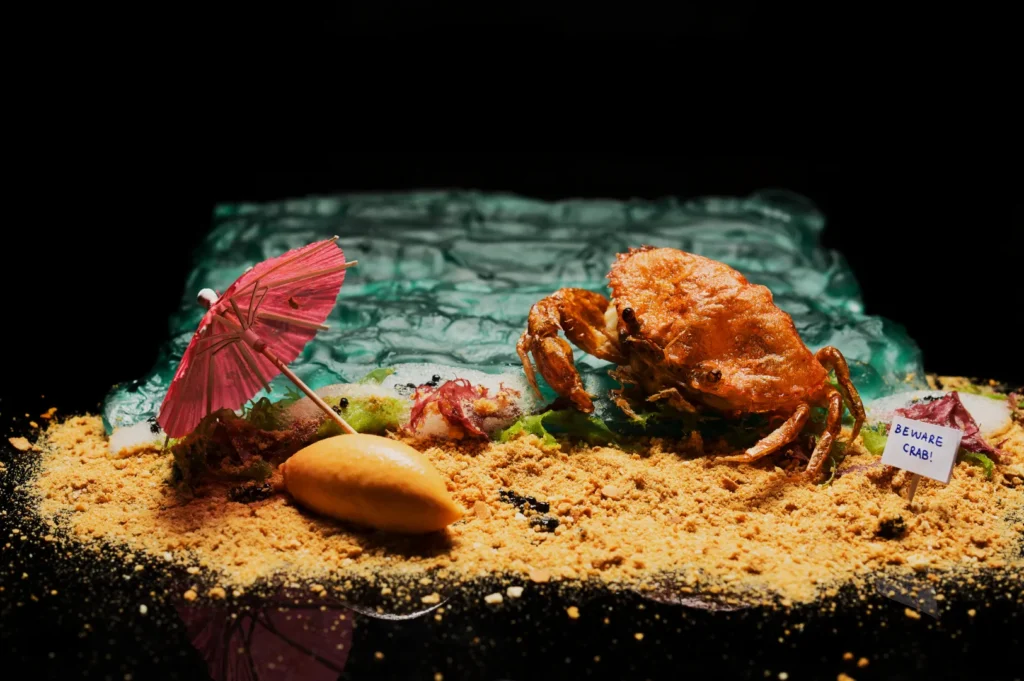
- Creative reinterpretations of local dishes with a modern twist
- Strong connection to Singapore’s culinary heritage
- Modern tasting menus recognised by the Michelin Guide
Honest Take
Some courses feel more conceptual than comforting, especially if you prefer straightforward food. But there’s also a deep appreciation behind the cooking. You can tell chef LG Han isn’t reinventing dishes simply to be modern. He’s trying to preserve memories in another form, engaging the palate with every bite.
2.) Candlenut: One of Singapore’s Best Fusion Restaurants for Peranakan Cooking
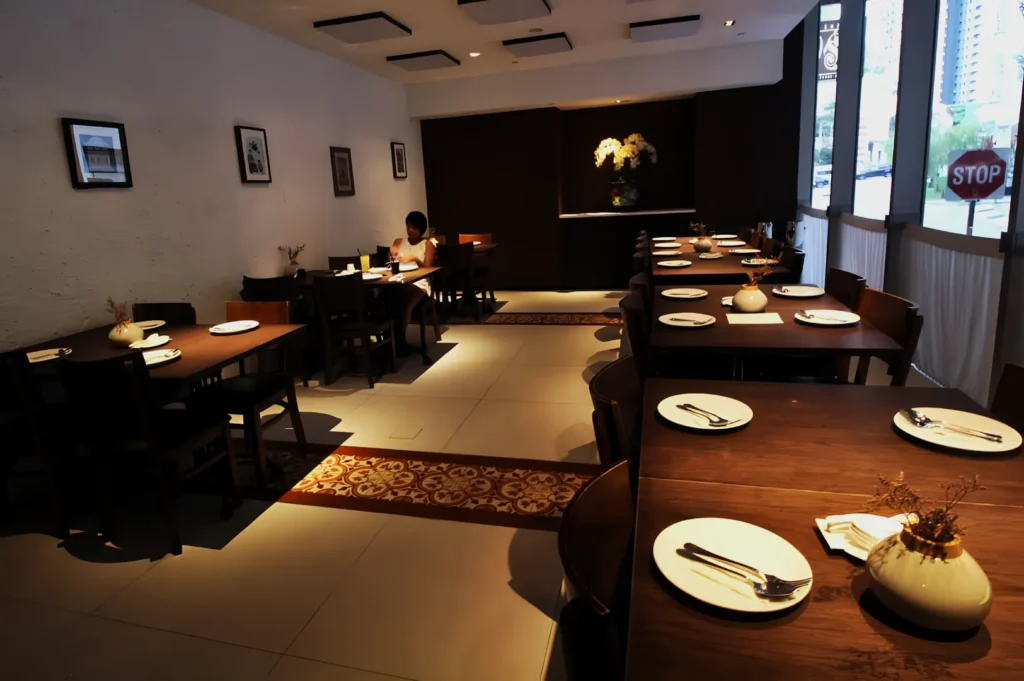
Candlenut approaches fusion with more restraint than many contemporary restaurants. Instead of dramatically changing dishes, chef Malcolm Lee refines Peranakan recipes carefully, keeping their soul intact while introducing a cleaner, more modern structure and familiar flavors.
The restaurant’s flavours remain deeply rooted in tradition. You still taste rich spice pastes, slow-cooked sauces, coconut milk, and the depth that defines Peranakan cuisine. But there’s a lighter rhythm to the meal compared to older-school interpretations.
Dishes worth ordering
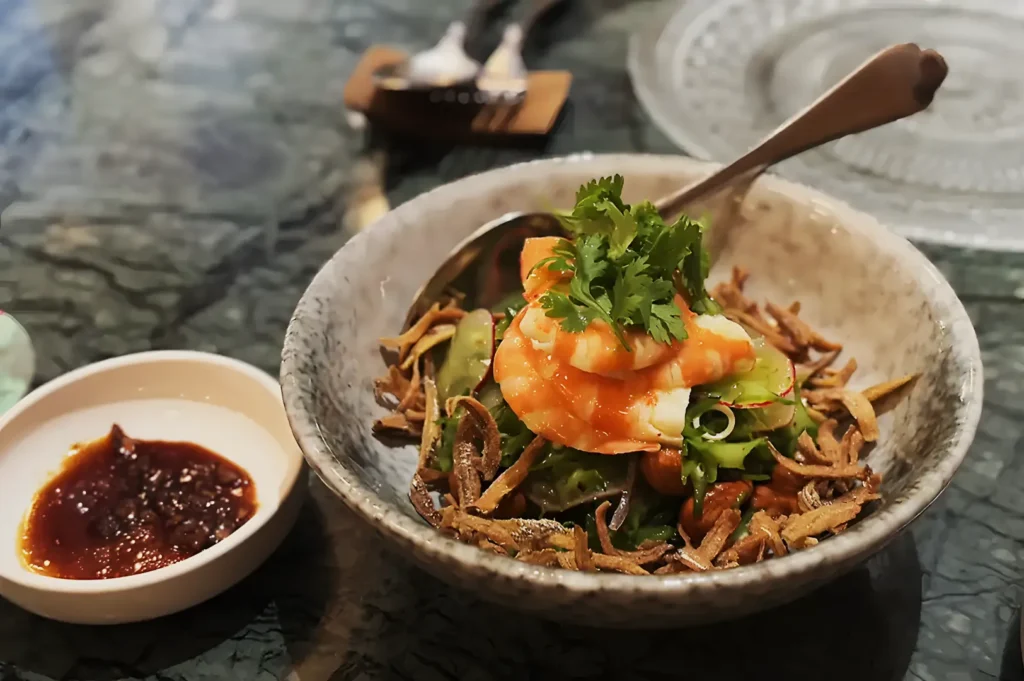
- Blue swimmer crab meat curry
- Buah keluak dishes
- Contemporary takes on nasi lemak
- Seafood and meat dishes with traditional spice profiles, enhanced with subtle hints of chilli flakes
Honest Take
Candlenut may not feel as experimental as some Asian fusion restaurant Singapore concepts, but that restraint works in its favour. The food feels grounded and emotionally connected to its origins rather than overly designed, making it a great dinner option for those seeking authentic yet refined tastes.
3.) Thevar: A Bold Asian Fusion Singapore Restaurant on Keong Saik Road
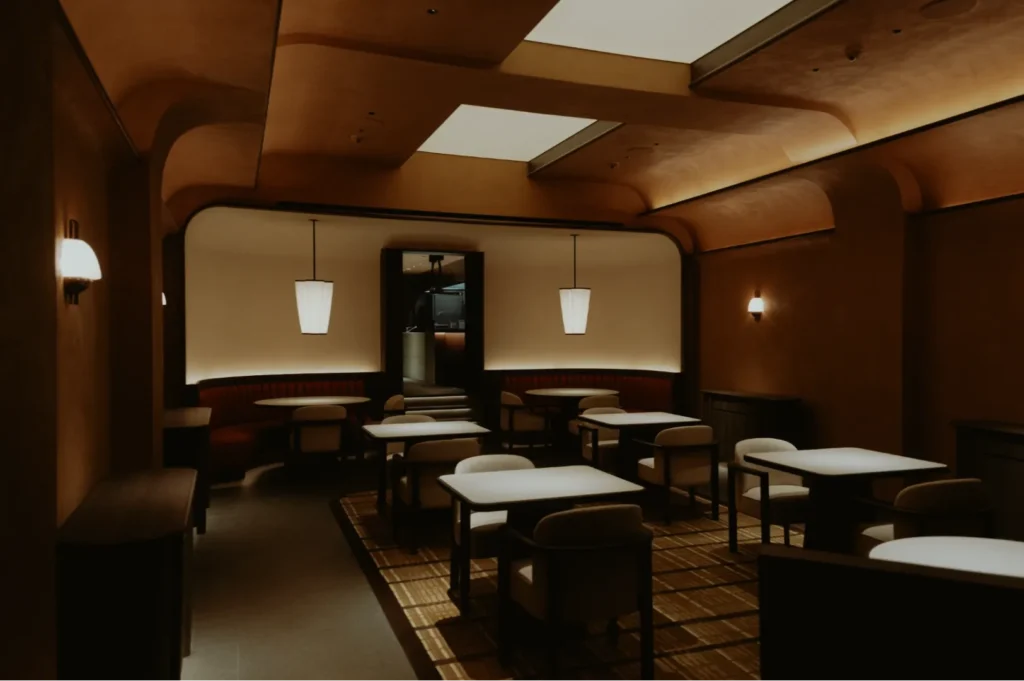
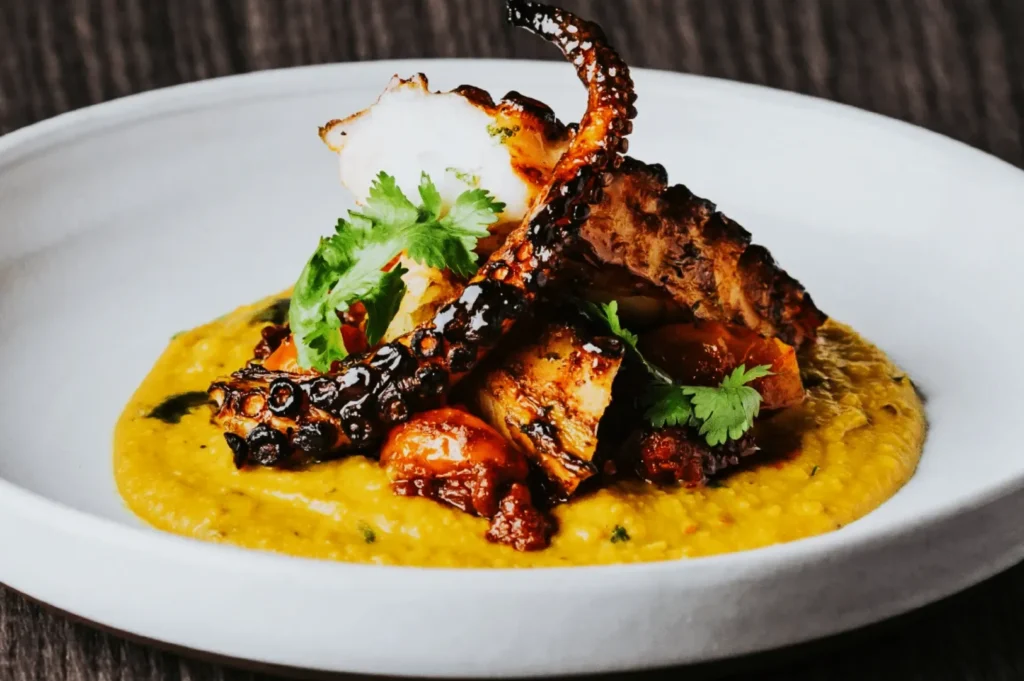
Thevar is one of the more energetic fusion restaurants in Singapore right now. Located along Keong Saik Road, the restaurant blends Indian flavours with European techniques and modern presentation in a way that feels confident rather than chaotic.
Chef Mano Thevar works heavily with spice, smoke, grilled meats, and rich sauces. The tasting menu moves through seafood courses, grilled dishes including steak, and layered curries that build intensity across the entire meal.
What people remember most
- Strong Southeast Asian flavours
- Spice-forward dishes with modern flair
- Carefully cooked seafood and grill courses featuring salmon and other premium ingredients
- Creative sauces and contemporary plating
Honest Take
The flavours here are unapologetically bold. Some diners may find the richness intense by the final course, especially if they’re not used to spicy food. But there’s precision behind every plate, and the restaurant earns its place inside the Michelin Guide conversation, thanks to the team’s commitment to culinary excellence.
4.) Nouri: Fusion Restaurants Built Around Shared Culinary Heritage
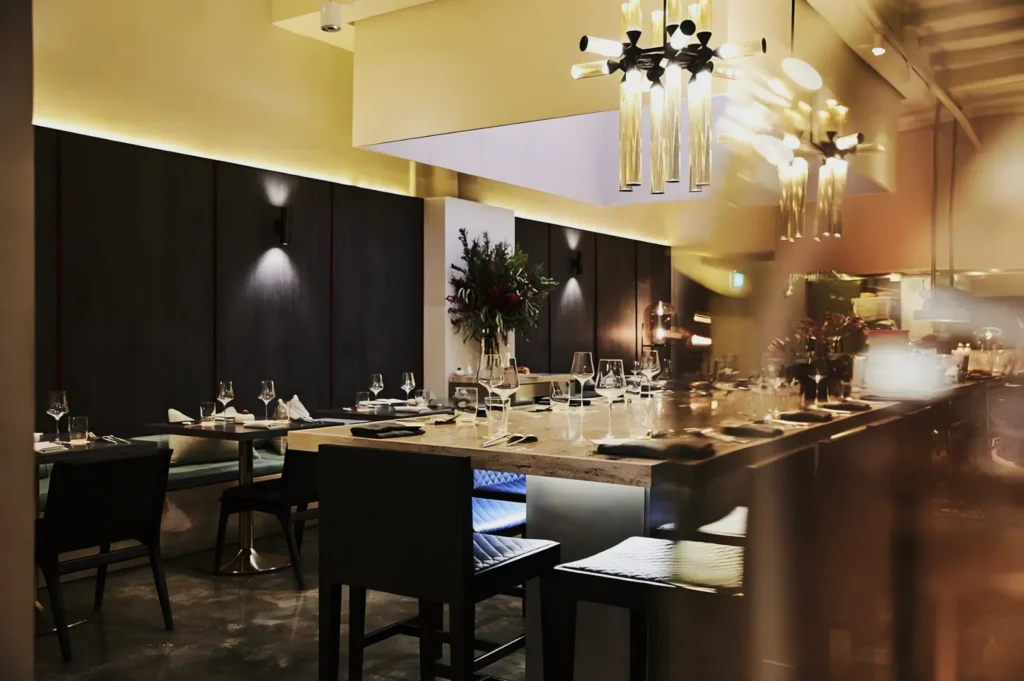
Nouri takes a more philosophical approach to fusion food. Chef Ivan Brehm describes the restaurant’s cooking as “crossroads cuisine,” exploring how cultures across the world often share similar ingredients, recipes, and techniques.
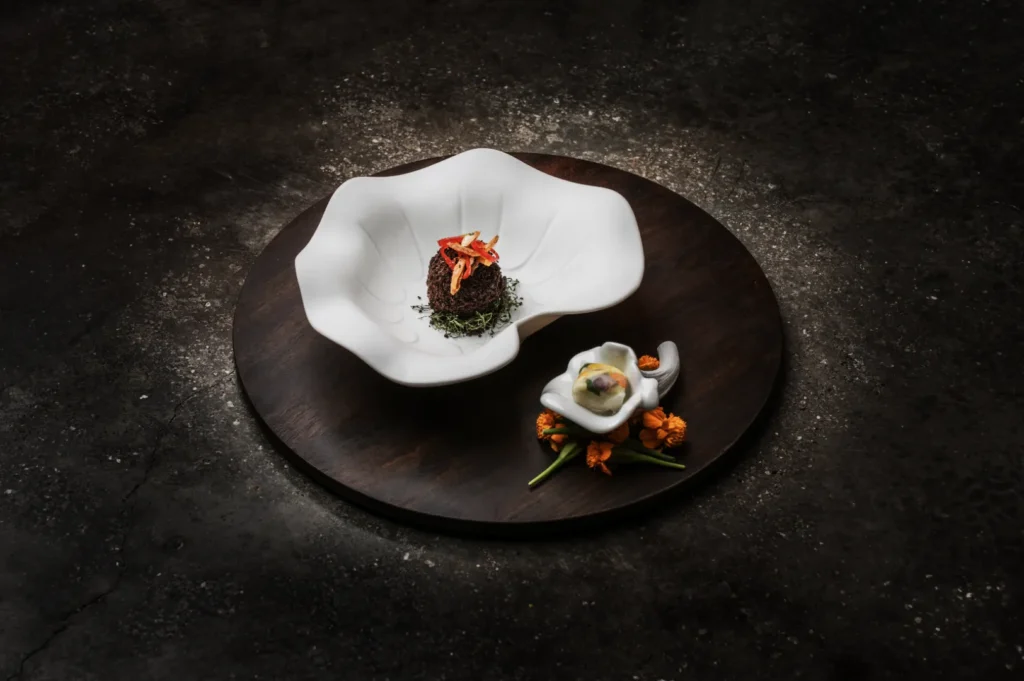
Instead of obvious mashups, the dishes feel layered and subtle. You might taste flavours inspired by Southeast Asia alongside elements from South America or Europe without immediately identifying where one cuisine ends and another begins. This unique blend of influences results in dishes that surprise and satisfy the palate.
Why Nouri feels different
- Focus on connection between cuisines
- Menus inspired by migration and shared history
- Elegant but relaxed dining experience
The courses often revolve around vegetables, seafood, broth-based dishes, and carefully balanced sauces rather than heavy richness.
Honest Take
Nouri is quieter than some other best fusion restaurants in Singapore. It’s less about dramatic presentation and more about ideas. Some people may prefer stronger flavours or larger portions, but if you enjoy thoughtful cooking, this place stays with you and is perfect for guests seeking a refined dinner experience.
5.) Cloudstreet and the Rise of Modern Asian Cuisine in Singapore
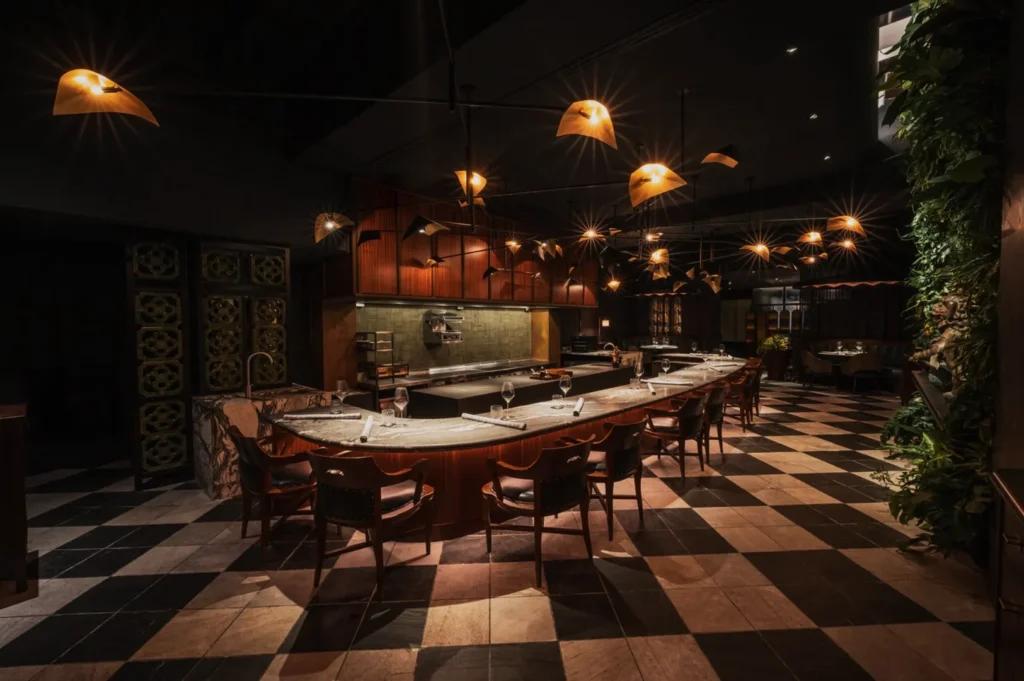
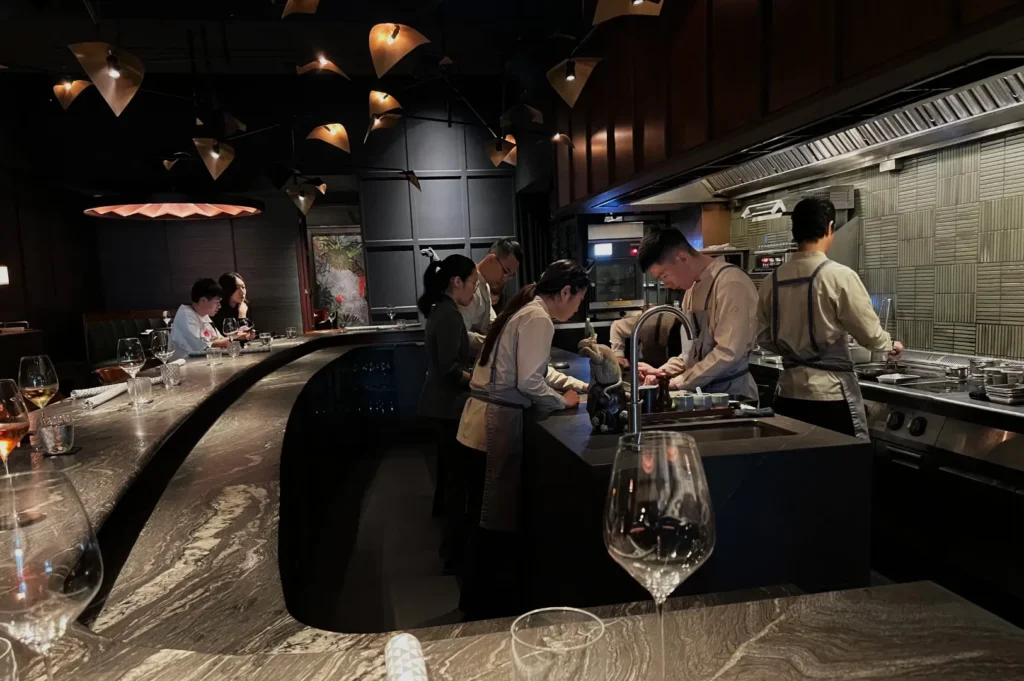
Cloudstreet feels slightly harder to define, which is probably part of its appeal. Chef Rishi Naleendra blends Sri Lankan influences with Australian techniques and broader Asian inspiration, creating one of the more distinctive modern Asian cuisine experiences in Singapore.
The menu moves confidently between rich sauces, delicate seafood dishes, grilled meats, and comforting flavours that occasionally resemble elevated comfort food, including dishes with beef bolognese influences.
Signature elements
- Spice-driven tasting menus
- Carefully layered seafood courses featuring fresh crab meat and shellfish
- Contemporary presentations with emotional warmth
- Strong balance between acidity, richness, and texture
The kitchen also handles pasta dishes surprisingly well, often pairing them with deeply savoury sauces or shellfish.
Honest Take
Cloudstreet can feel intense across a full meal. The flavours are rich, the pacing moves quickly, and the dishes demand attention. But if you’re looking for a more ambitious Asian fusion Singapore experience, it’s highly recommended for a great dinner outing.
Why the Michelin Guide Continues to Spotlight Fusion Restaurants
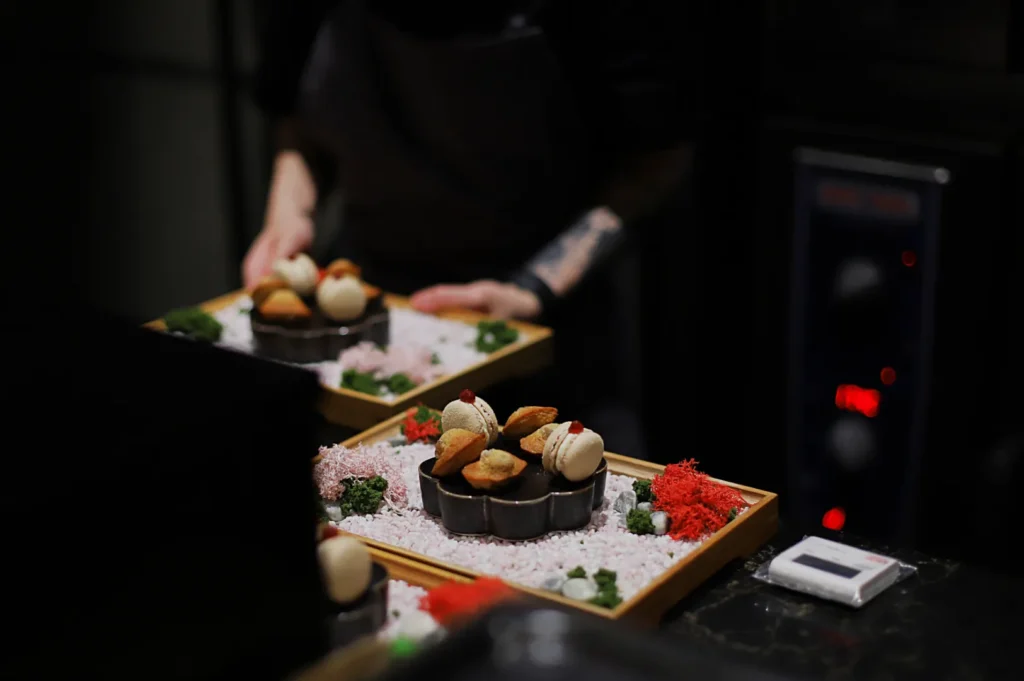
One reason so many fusion restaurants appear inside the Michelin Guide today is because modern diners increasingly want food that reflects how people actually eat now.
Chefs are no longer limited by geography in the same way. A single dish may draw inspiration from Chinese soup recipes, Japanese cooking techniques, Southeast Asian spice blends, and European plating styles all at once.
The strongest restaurants still understand balance, though. They don’t abandon traditional flavours entirely. Instead, they build on them carefully using fresh ingredients, contemporary techniques, and a genuine understanding of the cuisines involved.
That balance between innovation and familiarity is what gives these restaurants staying power.
Final Thoughts on Asian Fusion Restaurant Singapore Dining
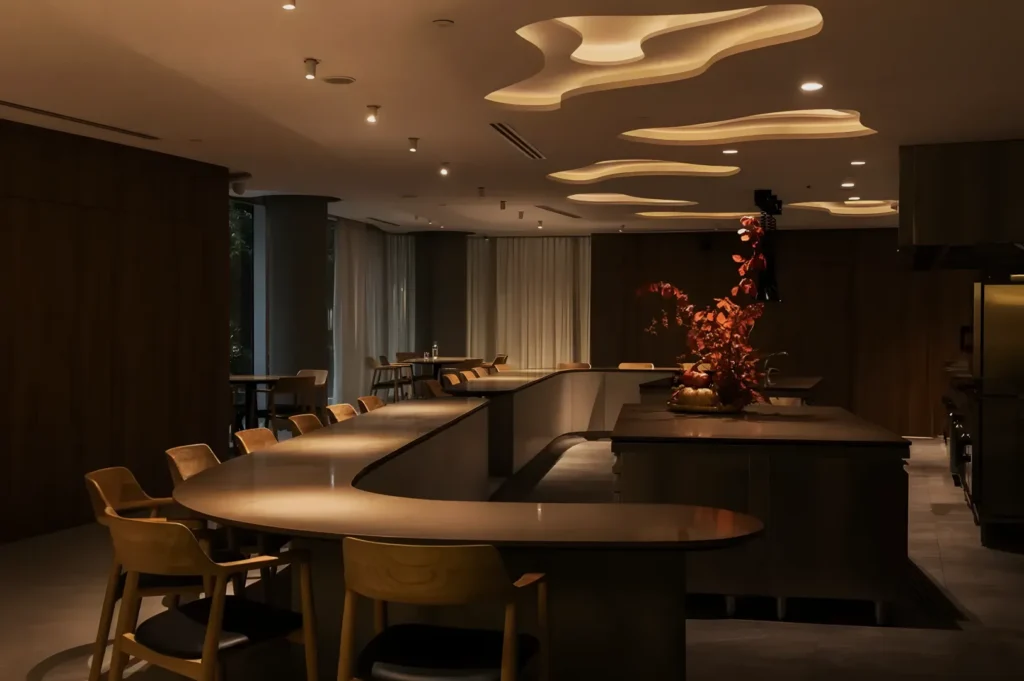
The best Asian fusion restaurant Singapore experiences rarely feel forced. They work because the chefs understand both the emotional and technical side of food.
Some restaurants on this list lean heavily into experimentation. Others focus more on preservation with a contemporary twist. But all of them share a clear respect for flavour, culture, and the people eating the food.
And in a city as layered as Singapore, that approach feels especially natural. For a deeper dive into local culinary heritage, check out Food Stories Singapore, which beautifully explores Peranakan cuisine and its rich flavors.