In Hiroshima, summer announces itself before you taste it.
The cicadas start first. Then the rice paddies turn a deep, restless green, almost ready for autumn. Somewhere up the mountain, sansai pushes through soil that is barely warm.
Takeshi Araki grew up inside that rhythm. And years later, in a quiet kappo room on Mohamed Sultan Road, he is still cooking from it — a reminder that even in a city known for Singapore’s Best Izakaya, the most memorable meals still begin with season and restraint.
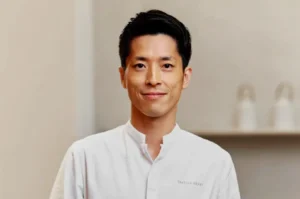
Meet Takeshi Araki
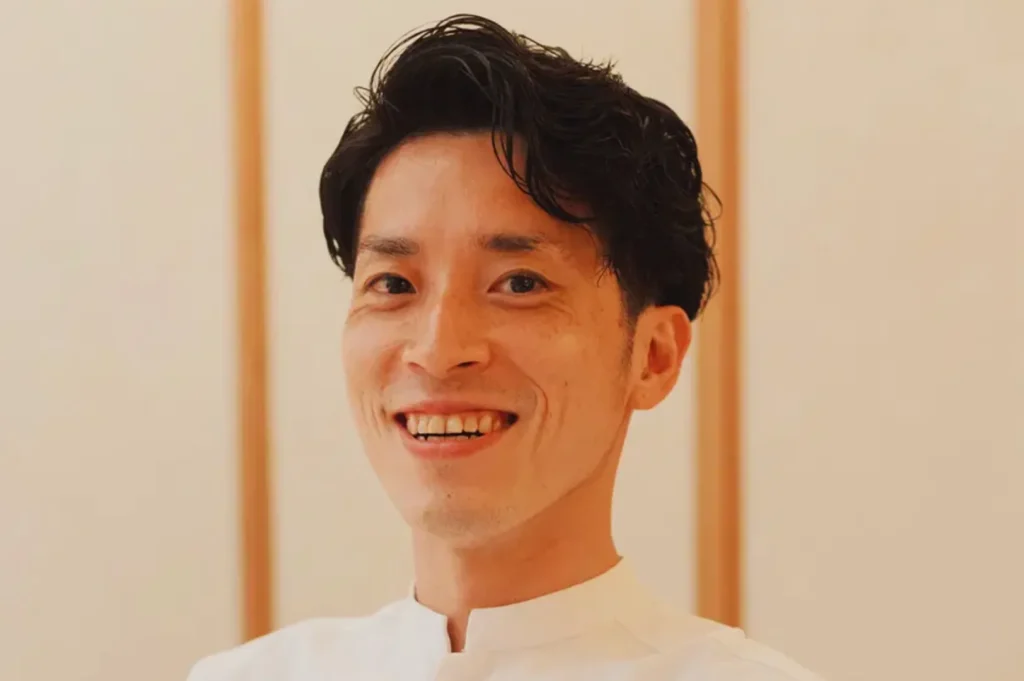
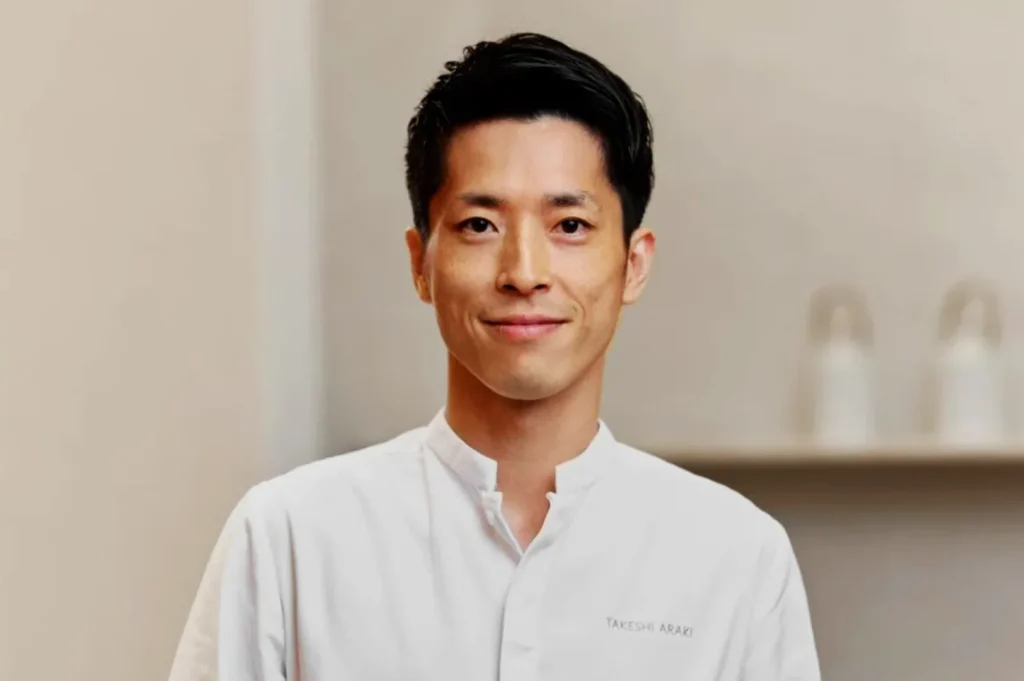
Araki leads the kitchen at Esora, the Michelin-starred modern kappo restaurant** at 15 Mohamed Sultan Road in Singapore. Hiroshima-born, he took over the kitchen and, over a year, began turning its cooking gently back toward something older and more honest — traditional Japanese flavour, served with intention.
His path there was not the usual one. Before the knives, there was sociology. He studied it at a university in Kyoto, and that quiet interest in how people live together never quite left him.
Then came four years at Nihonryori RyuGin in Tokyo**, three Michelin stars, where he learned what hands can do when they truly pay attention.
Cooking Philosophy
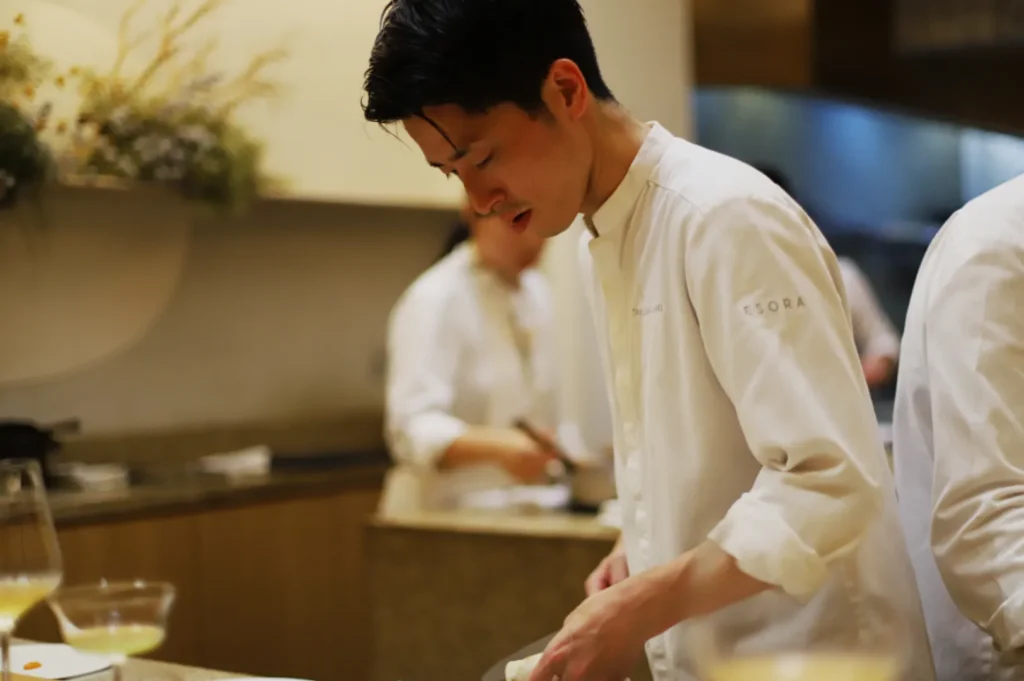
Araki cooks by shun — the idea that an ingredient has one exact moment when it tastes most like itself.
He resists the easy path. In Singapore, a handful of luxury Japanese ingredients get trotted out again and again, the familiar crowd-pleasers. Araki would rather show you sansai, the wild mountain vegetables foraged in spring, some plucked before the snow has even finished melting.
“There is never the best season to eat,” he says. He means it as an invitation. Come with an open mind. Let each season be short and strange and worth it.
The seasons are not just on the plate. They are in him — hanami in spring, the slow watching of cherry blossoms. Momijigari in autumn, chasing red leaves up a hillside. Mountain hiking in summer, the smell of grilled corn at a village festival. Warm nabe in winter. He cooks the way he remembers living.
For more background on Chef Takeshi Araki, read more here.
The Story Behind the Omi Wagyu
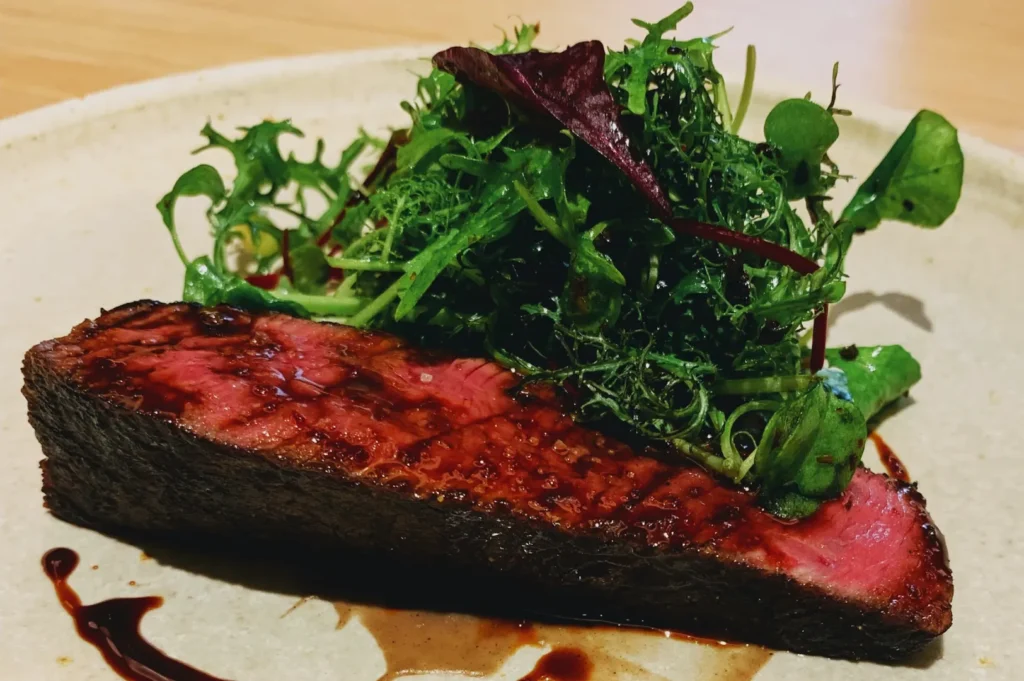
Some dishes begin in a memory, not a kitchen.
In winter, Araki used to slip into small inns and local eateries across Japan for sukiyaki, the pot crowded with shimonita negi — a sweet seasonal onion that only shows up when it is cold.
That ritual became Esora’s signature wagyu course. The Omi Wagyu, sourced from a farm in Shiga prefecture, is grilled, sliced, and served with a sukiyaki-inspired egg sauce and that same shimonita negi, finished with a shaving of truffle.
The slicing alone took more than ten tries to settle. The beef is heavily marbled, and the fat sits differently in each part, so each cut is shaped to its own portion. Everyone in the kitchen weighed in.
What You’ll Taste
Warmth, first. The egg sauce is soft and nostalgic, the kind of thing that tastes like someone cooked it for you at the end of a long, cold day.
Then the onion — sweet, gentle, seasonal. The truffle arrives last, quiet rather than loud.
It is luxury that remembers where it came from.
The Knife, the Bones, the Broth
At RyuGin, Araki watched his mentors handle a knife with such care that the ingredients still looked alive after they were cut. That stayed with him.
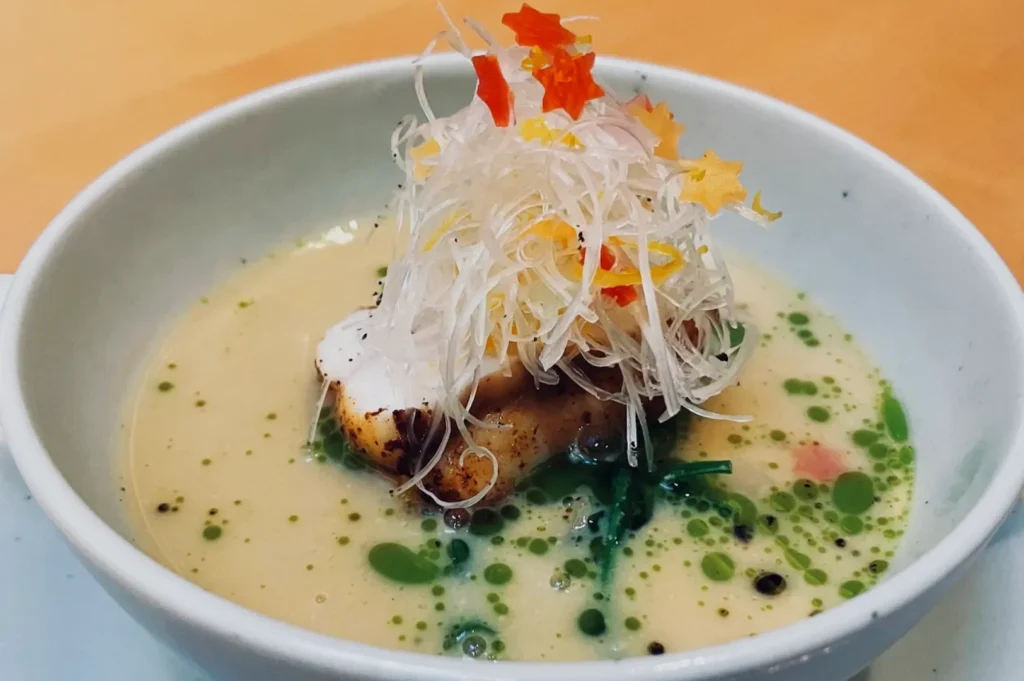
You see it most in the hamo, the pike eel that comes into season in summer. It is full of fine bones, tedious and unforgiving to break down. Araki cuts it — bones and all — into pieces so small they disappear, then simmers them with vegetables, kombu, and cabbage into something close to a hotpot.
The broth is skimmed, strained clear, seasoned only with salt and soy. By the time it reaches you, the hamo looks like nothing more than small, tender pieces of fish. All that labour, hidden on purpose.
His time at Margotto e Baciare, the truffle-focused place in Tokyo where he once cooked alongside his sous chef Nishio, gave him French technique. But he uses it the way he uses everything — to bring the traditional flavour forward, never to show off.
Quick Favorites
- Spring on a plate: sansai, foraged from the mountains
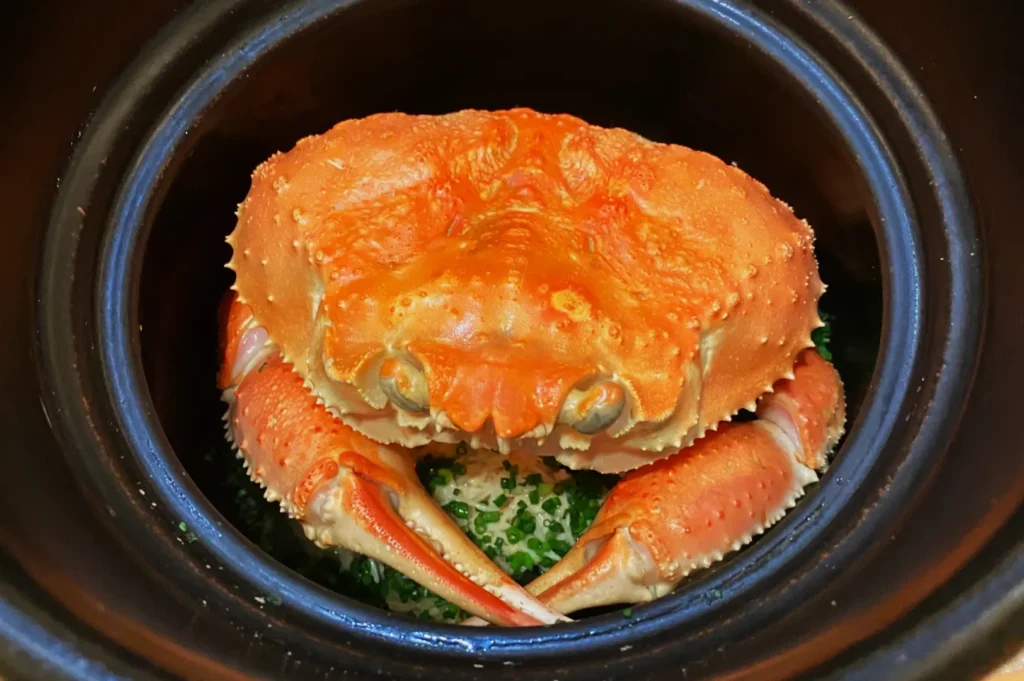
- Winter indulgence: matsuba-gani, snow crab
- The donabe: Koshihikari rice cooked in crab stock and konbu dashi, crab piled on top — and the leftovers shaped into onigiri to take home and eat the next day
- An extra dimension: Esora’s tea pairing, made for those who want something beyond wine and sake
- A seasonal habit: ume pickling in summer, chestnut roasting in autumn
A Quieter Kind of Kitchen
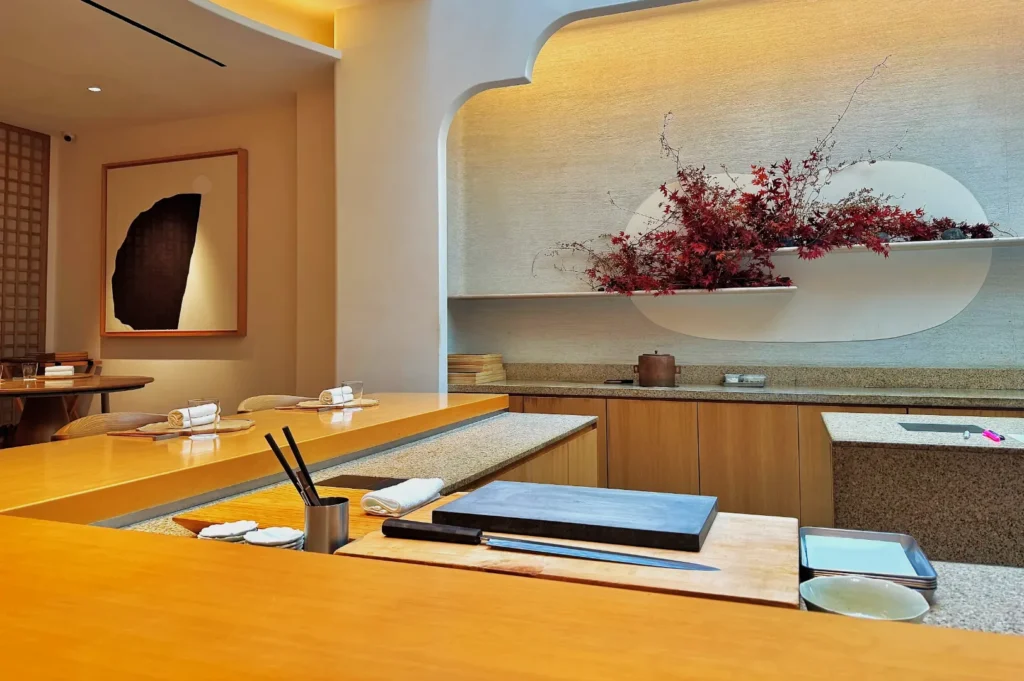
Here is the part that surprises people.
When Araki first took the kitchen, his first concern was not a dish. It was the people. He wanted a better working environment, a real balance between long days and a life outside them.
Maybe that is the sociologist in him. He talks about accolades and work-life balance in the same breath, as if they should never have been separated. A kitchen, after all, is also a place where people spend their seasons.
You can taste that somewhere in the food. Cooking made by someone who is not running himself into the ground tends to feel calmer on the plate.
Visit Esora
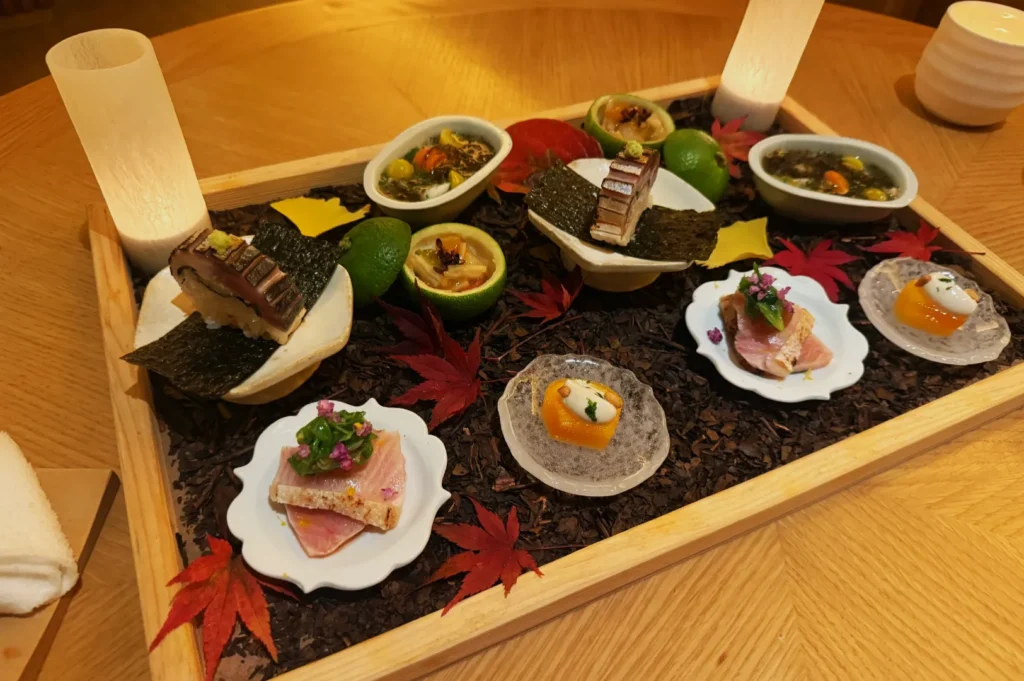
If you go, don’t go looking for a single best dish. Go in spring, then come back in winter, and let the menu be different. And if this meal leaves you curious about where else to sit down for a chef-led counter experience, keep a short list of the best omakase experiences in Singapore worth planning around for your next reservation.
Esora sits at 15 Mohamed Sultan Road. Ask about the tea pairing. Order the wagyu in the cold months. And if the hamo consommé is on, take a slow sip and think about all the small bones that had to disappear for it to taste that clean.
Each season is short. That is rather the point.