
Walk through Marina Bay Sands, step into one of its many Marina Bay Sands restaurants, the lobby of a luxury hotel, or a discreet shophouse in the city center, and you will find a familiar pattern. A famous name sits above the entrance. A globally recognized chef lends their reputation, their recipes, and sometimes their presence to a restaurant that anchors an entire dining destination. Singapore has become one of the world’s most active stages for celebrity chefs, and that fact says a great deal about how the city eats, travels, and thinks about food.
But the story is more interesting than star power alone. Celebrity chefs in Singapore have done more than draw crowds. They have shaped restaurant concepts, raised public expectations, influenced how young cooks train, and changed the way the country presents itself to the world. This article looks at what a celebrity chef actually means in the Singapore context, why their presence matters, and what their influence reveals about the city’s culinary identity.
What "Celebrity Chef" Really Means Here
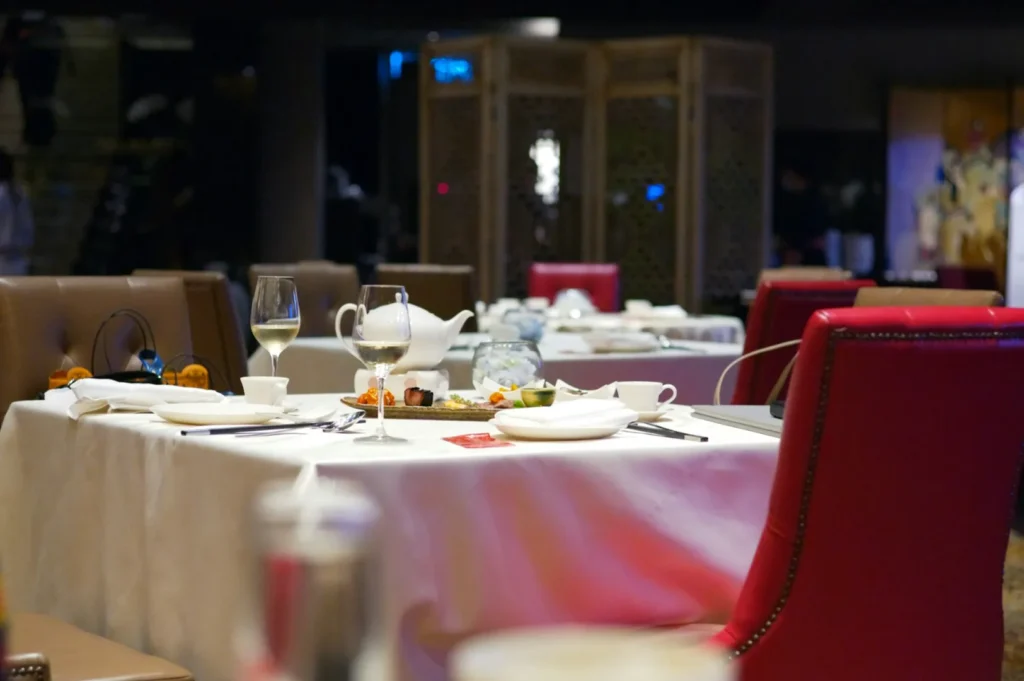
The term “celebrity chef” can feel vague, so it helps to define it clearly. In broad terms, a celebrity chef is a cook whose name carries value beyond the kitchen. Their reputation can fill a dining room, sell a cookbook, or justify a premium price. Fame is part of the equation, but it is rarely the whole story.
In Singapore, the label tends to fall into a few overlapping groups.
- International icons who open outposts here, such as globally acclaimed chefs running flagship restaurants inside integrated resorts and luxury hotels.
- Stars of the fine-dining world whose fame comes from Michelin recognition and rankings rather than television, including chefs who run multi-starred restaurants in the city.
- Homegrown personalities who built their following locally, often through media, social platforms, or a beloved restaurant that became a household name.
What unites them is influence. A celebrity chef changes the conversation around a restaurant before a single plate is served. That influence is the real subject worth examining, because it extends far beyond the individual venue.
Why Singapore Became a Magnet for Big Names
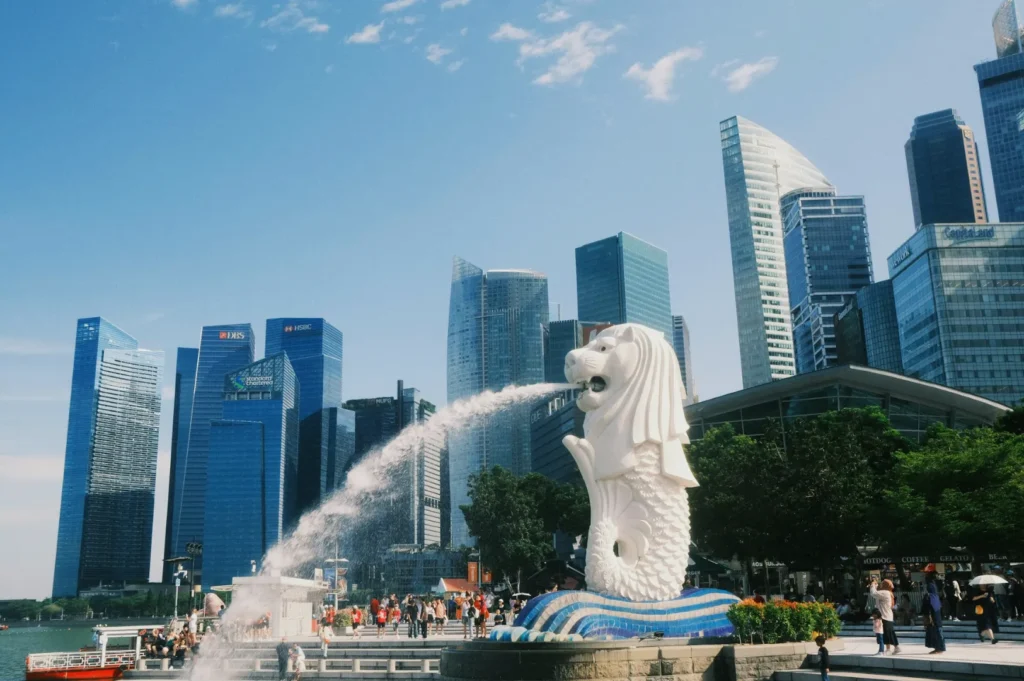
Singapore did not become a hub for celebrity chefs by accident. Several forces came together to make it fertile ground.
First, the city built world-class hospitality infrastructure. Integrated resorts, luxury hotels, and high-end retail districts created spaces designed to host marquee dining concepts. These venues needed anchor tenants with pulling power, and a famous chef fit perfectly.
Second, Singapore offers something practical that many cities cannot: year-round access to ingredients. Because the country imports produce from across the globe, chefs can source what they need at almost any time. A dish that depends on a specific seasonal ingredient elsewhere can be executed here without the same constraints.
Third, the dining audience matured. A growing base of affluent locals and well-traveled visitors developed an appetite for ambitious cuisine. That demand gave celebrity chefs a reason to invest, knowing their concepts would find an informed crowd willing to pay for quality.
Together, these factors turned Singapore into a place where global culinary reputations could expand, and where new ones could be made.
For a quick snapshot of where many of these big names are dining today, see this guide.
Shaping Restaurant Concepts and Standards

The clearest impact of celebrity chefs sits in the restaurants themselves. When a respected name attaches to a venue, expectations rise across the board. The food must justify the reputation, and that pressure tends to lift standards for everyone.
Raising the Bar on Execution
A famous chef brings a defined point of view. They impose discipline on sourcing, technique, and consistency. Diners arrive expecting a certain level of refinement, and the kitchen must deliver it night after night. This consistency becomes a benchmark that other restaurants, even those without a star at the helm, feel compelled to match.
Importing and Adapting Ideas
Celebrity chefs often introduce concepts that did not exist locally. A chef known for blending two distinct culinary traditions, for example, can bring that hybrid approach to a Singapore audience for the first time. The most thoughtful chefs adapt rather than simply transplant. They respond to local palates, source regionally where it makes sense, and let the city shape the concept rather than forcing a copy of their work elsewhere.
Creating Range Within a Single Vision
A notable pattern is how chefs express different sides of their cooking through different venues. The same name might run an intensely formal tasting-menu restaurant and a relaxed, social brasserie. This range teaches diners that ambition does not always mean formality, and that a serious chef can offer both a hushed degustation and a lively, accessible meal without compromising on craft.
The Engine of Luxury Hospitality
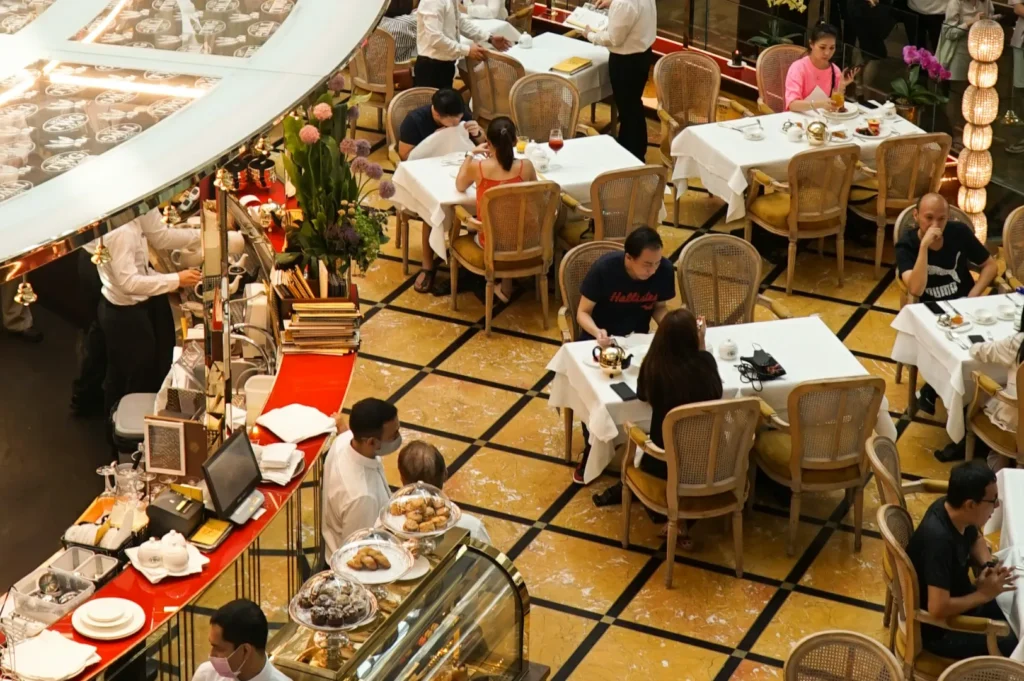
Celebrity chefs play a central role in Singapore’s luxury dining economy. High-end hotels and integrated resorts rely on signature restaurants to define their identity and draw guests.
A marquee restaurant does more than feed people. It signals the ambition of the entire property. A hotel with a celebrated chef’s flagship can position itself as a destination rather than just a place to sleep. The restaurant becomes part of the brand, often featured in marketing and treated as a reason to visit in its own right.
This relationship is mutual. The venue gains prestige from the chef, and the chef gains a polished, well-resourced platform to execute their vision. The result is a cluster of ambitious restaurants concentrated in premium locations, which in turn raises Singapore’s profile as a luxury dining capital.
Tourism and the City's Global Image
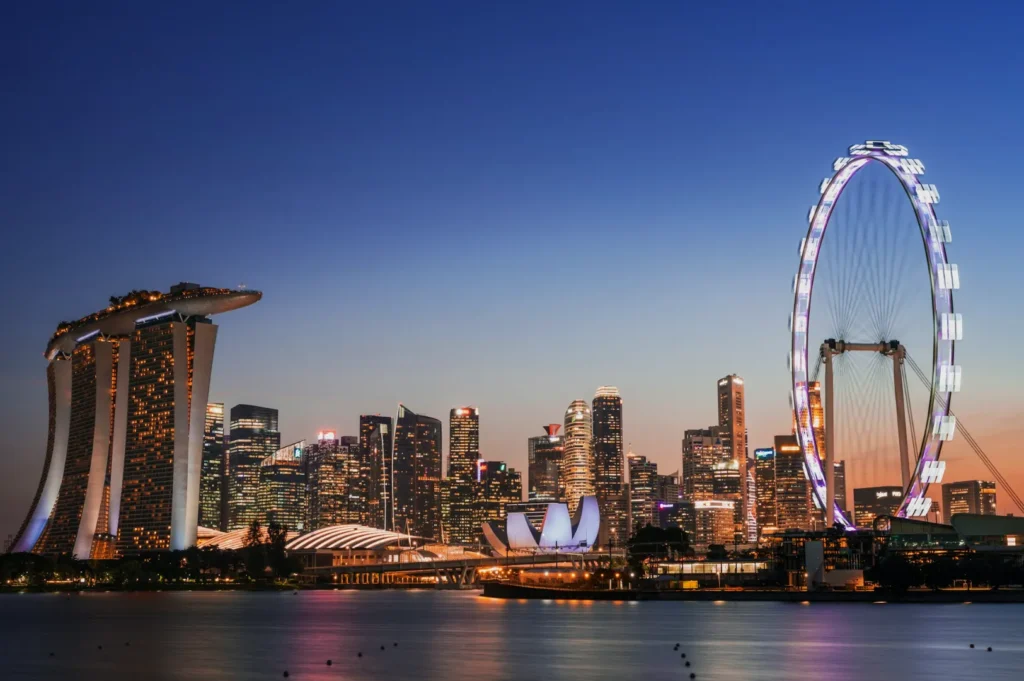
Food has become a genuine reason to travel, and Singapore has leaned into that reality. Celebrity chefs are a key part of how the city markets itself to international visitors.
Consider the appeal of a chef who holds multiple top honors across several countries, with one of those flagship restaurants located in Singapore. For a traveling food lover, that becomes a destination worth planning a trip around. The presence of globally ranked restaurants gives the city a credible claim to culinary relevance on the world stage.
This visibility creates a feedback loop. International recognition draws visitors, visitors support ambitious restaurants, and that support encourages more chefs to invest. Pop-up collaborations, where a chef from one country takes over a Singapore kitchen for a limited run, add further energy and keep the scene dynamic. Each of these moments reinforces the idea that Singapore is a place where serious food happens.
What Their Influence Really Tells Us
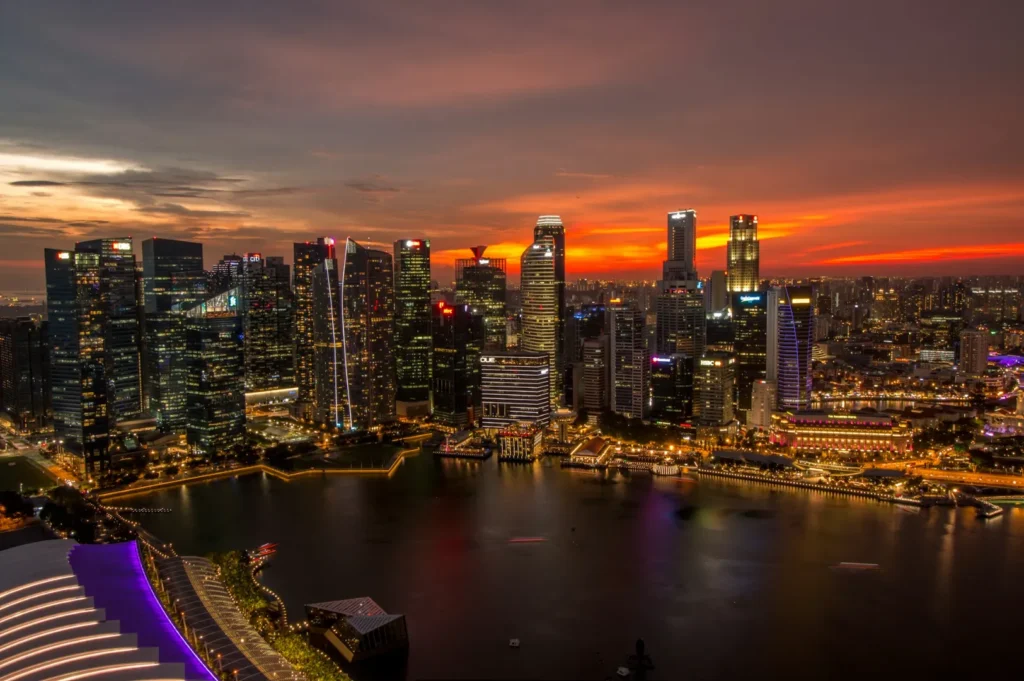
Strip away the glamour, and the celebrity chef phenomenon reveals something deeper about how Singapore relates to food. The city treats dining as a form of cultural expression, a driver of tourism, and a marker of sophistication. Celebrity chefs are both a cause and a symptom of that mindset.
Their lasting contribution is not the fame itself but the standards and curiosity they leave behind. They have pushed kitchens toward greater discipline, taught diners to care about craft, trained a generation of cooks, and helped place Singapore on the global culinary map. The best of them understand that a famous name only opens the door. What keeps people coming back is the food, the hospitality, and the integrity behind both.
Conclusion: Looking Past the Name
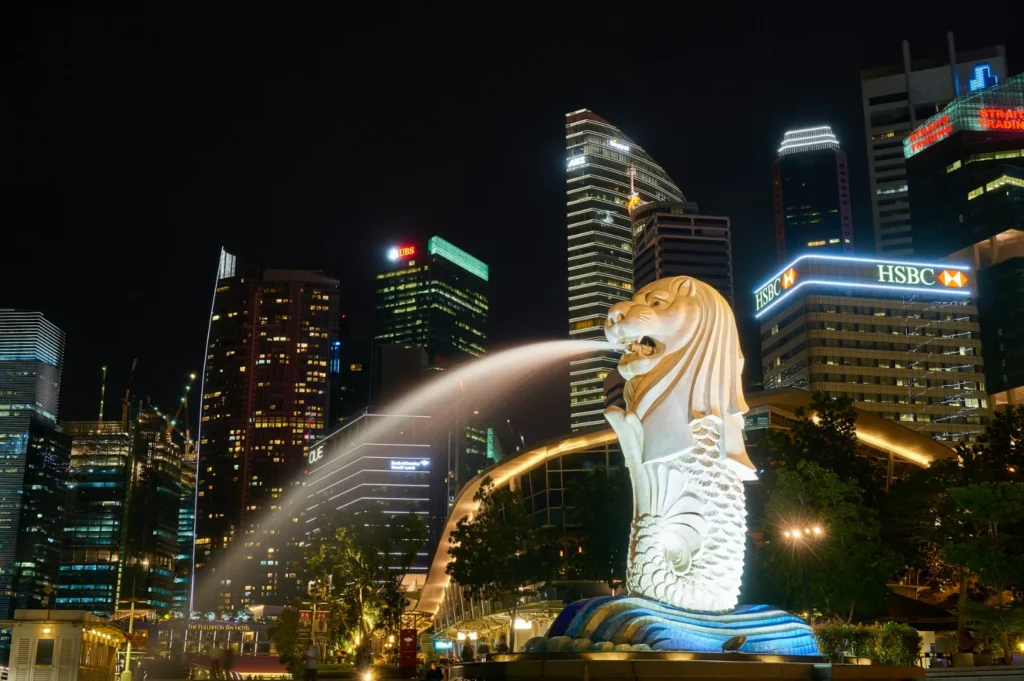
Celebrity chefs have undeniably shaped how Singapore eats, but their real value lies beneath the surface of fame. They have lifted standards, expanded ideas, strengthened hospitality, and given the city a confident place in the world of food. They have also raised fair questions about value, authenticity, and the balance between imported stars and local voices.
The next time you book a table at a restaurant with a famous name above the door, look past the name itself. Ask what the kitchen actually delivers, how the team executes the vision, and whether the experience honors the craft rather than just the reputation. That habit of looking deeper is, fittingly, one of the most valuable things celebrity chefs have taught us. It is also the clearest sign of a dining culture that has truly matured.