There is a particular kind of comfort found in a bowl of fish soup. It is a dish that does not rely on heavy sauces or complex spices to make an impression. Instead, it asks for patience and precision.
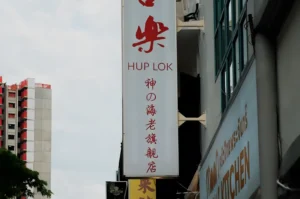
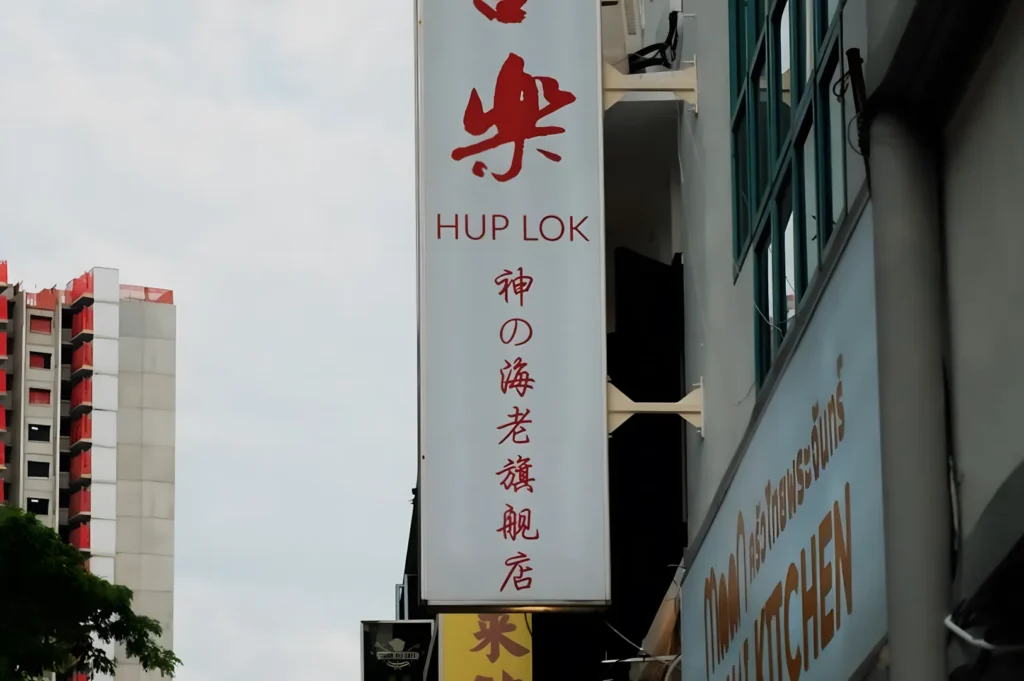
At Hup Lok, situated just opposite the food centre on Havelock Road, this quiet precision is the anchor of the dining space. The crowds gather during the lunch hour, forming lines that move with a steady, practiced rhythm. Yet, amid the hum of conversation and the clatter of ceramic spoons against bowls, there is a distinct sense of grounding.
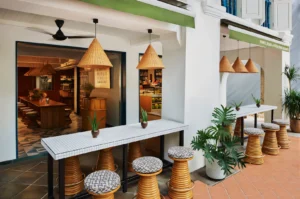
The space itself is unpretentious. People arrive in flip-flops and casual clothes, settling into tables without the expectation of fine dining. They are here for a meal that feels familiar, executed with an attention to detail that reveals itself slowly.
The Clarity of the Pomfret Soup
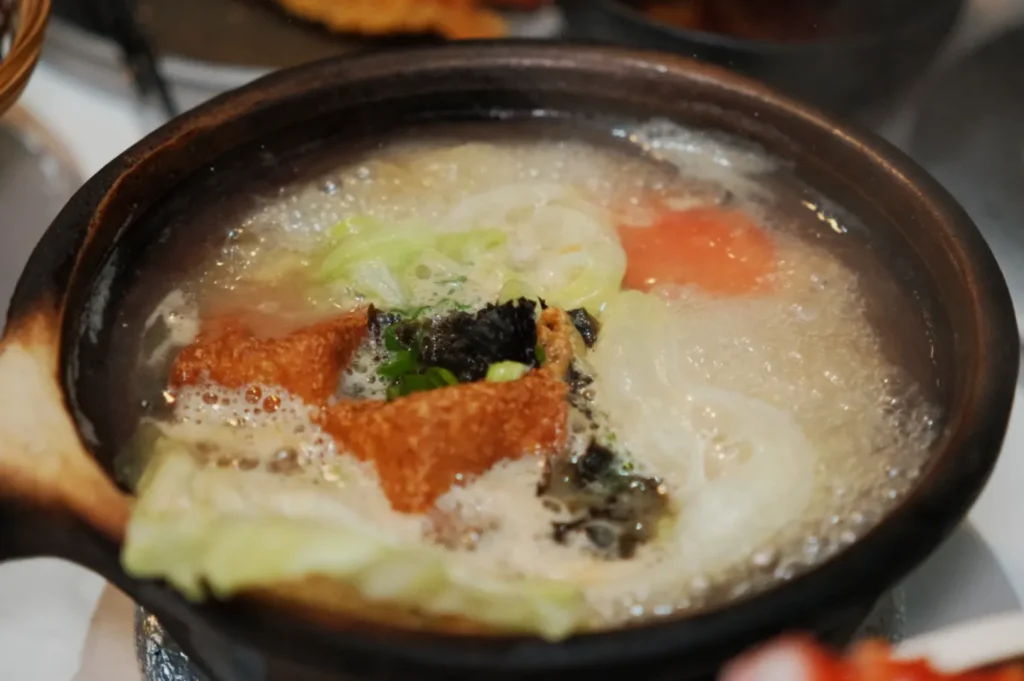
The menu lists a dish called Grandpa’s Pomfret Soup. It is a Teochew-style pomfret soup, a classic preparation that leaves no room for error. When the bowl arrives, it is piping hot, with steam carrying the faint, clean scent of the sea. There is no fried fish here. There is no fish maw. There is only the pure, distilled essence of the ingredients.
The kitchen starts with twenty liters of raw ingredients, reducing them slowly until only twelve liters of concentrated liquid remain. You can observe this effort in the texture of the broth. It is entirely clear, yet it holds a slight thickness from the natural collagen. It is deeply savoury but finishes cleanly on the palate, leaving no heavy residue. There is a gentle sweetness from the fish that lingers quietly.
The pomfret slices are generous and cut thickly. They are cooked precisely to the point of turning opaque, allowing the flesh to hold its structure perfectly within the hot liquid. There is no muddy aftertaste, only the fresh brininess of the sea.
Slices of ginger and preserved vegetables float in the broth, providing a sharp, necessary counterpoint to the rich stock. It is a bowl of food that commands quiet attention. It does exactly what it sets out to do, without needing to announce itself.
Luxury Translated to the Everyday
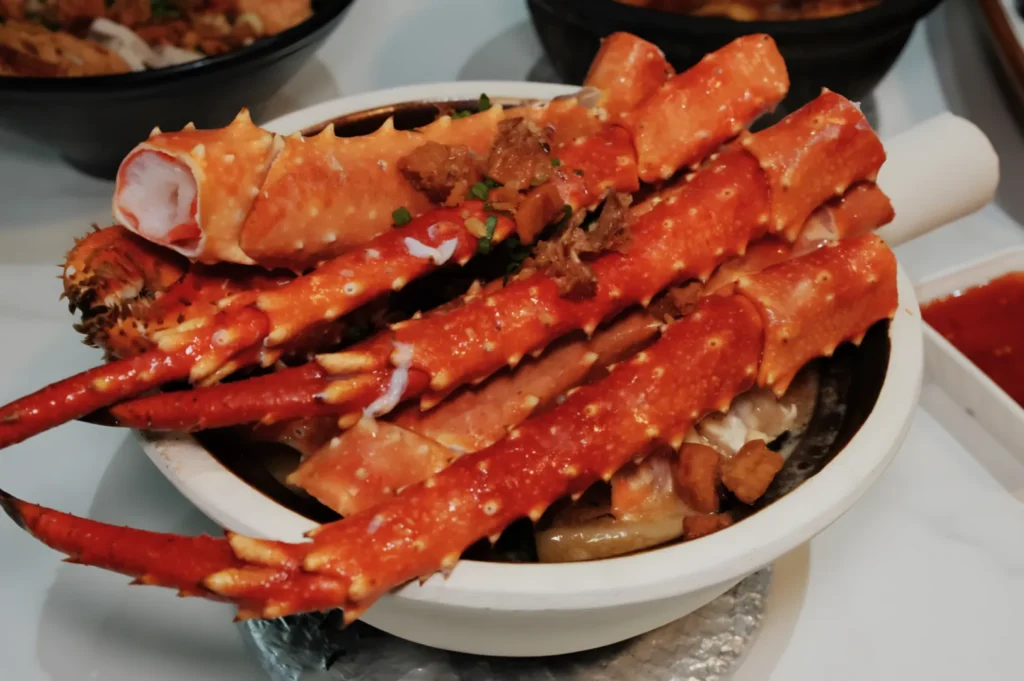
Following the fish soup, a plate of Alaskan King Crab Bee Hoon arrives at the table. In many dining rooms, king crab is treated as a distant luxury, marked up and presented with grandeur. Here, it is offered for less than forty dollars for half a crab. The focus is entirely on accessibility.
The crab is handled with a simple respect. The meat is distinctly sweet and pulls cleanly from the heavy, spiked shells. Beneath the crab, a bed of bee hoon rests in a shallow pool of crustacean-heavy broth.
The noodles have soaked up the rich liquid without losing their bite or turning to mush. It is a solid, grounding plate of food. It offers the weight of a premium ingredient, yet it still feels like a natural continuation of a casual weekday lunch.
Other dishes pass by on the trays of the waitstaff. There are claypot Hokkien mee and bowls of prawn noodle soup, dishes highly prized by the regular crowds. A deep-fried platter sits on a neighbouring table, the batter looking crisp and light. They play their roles well, filling out the edges of the menu, even if they remain quietly in the background of the pomfret soup.
A Legacy of Sourcing
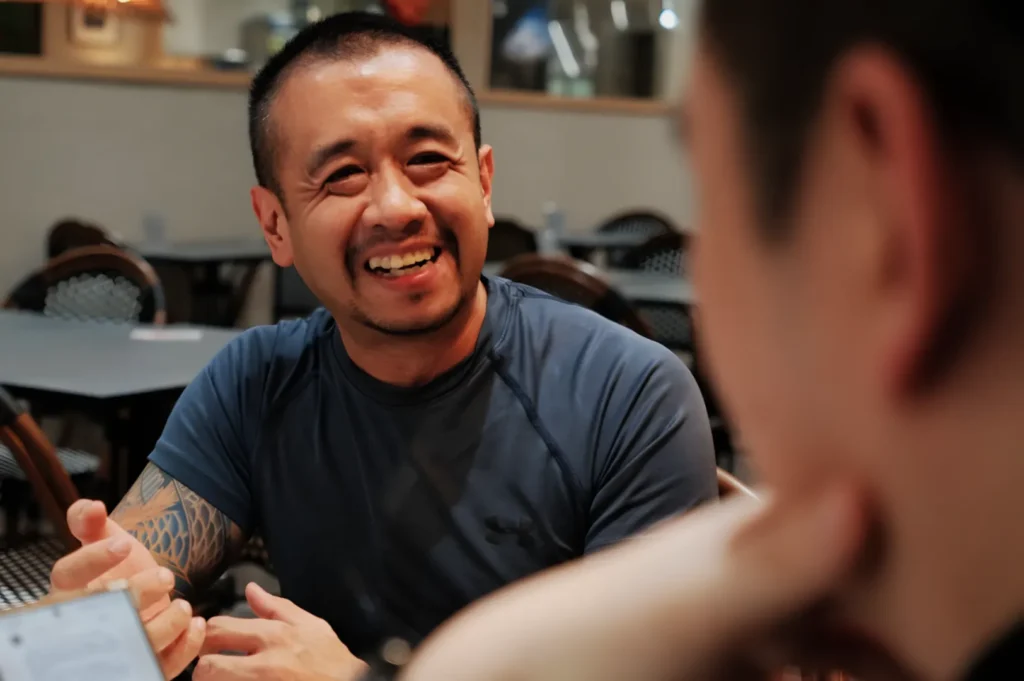
The quality of the seafood at Hup Lok begins to make sense when you observe the history of the kitchen. The owner, Hong Junchen, is a third-generation seafood purveyor. His father was a traditional fishmonger.
For a time, Junchen walked away from the family trade, building a career as a corporate consultant. He eventually returned to the food industry, opening a high-end seafood restaurant at Marina One. When remote work emptied the central business district, that restaurant closed its doors.
He pivoted to Japanese seafood wholesale. That wholesale business eventually became the foundation for Hup Lok. The model here prioritises the raw materials above all else. The kitchen only operates because it has a definitive edge in sourcing. The prawns they use, for example, are Ecuadorian kami no ebi.
Grown in colder water with higher salinity, these prawns naturally carry a deeper umami profile. By sea-freighting them frozen, the logistics costs are stripped down. This careful management of the supply chain is what keeps the menu firmly within an accessible range, offering high-quality sourcing at hawker prices.
Surviving the Quiet Months
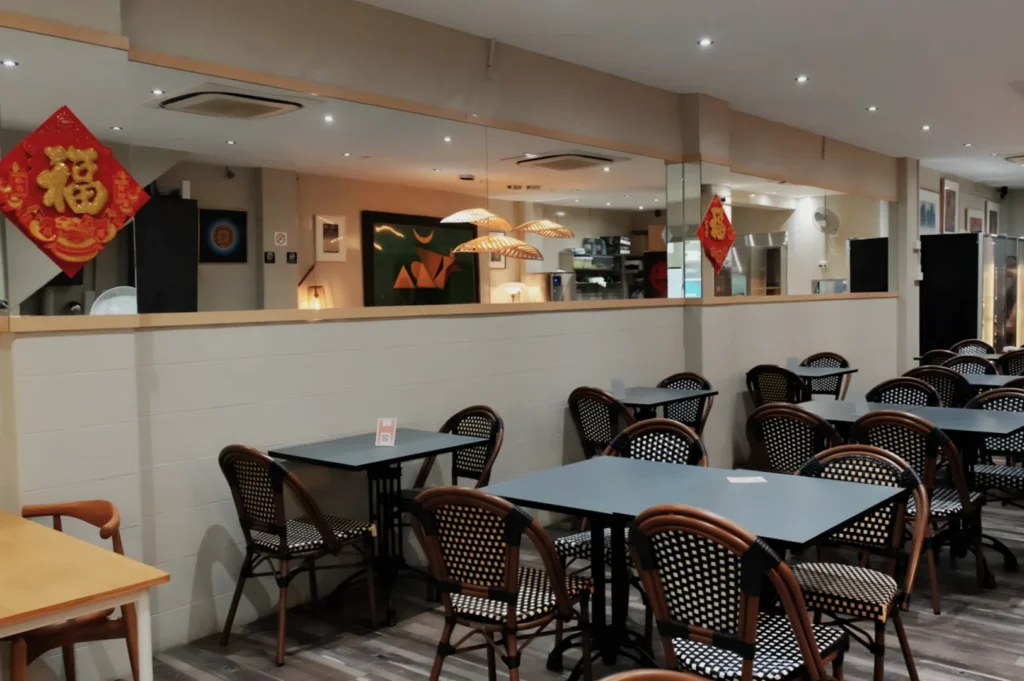
The journey to this bustling dining room has not been without its silent, empty stretches. The local food and beverage landscape has been under immense pressure, with discretionary spending shifting and tightening.
Junchen noted the unprecedented empty parking spaces at Tiong Bahru Market as a clear signal of an affordability crisis affecting the city.
Hup Lok weathered this quietness. From late 2024 into early 2025, the restaurant sat mostly empty. It survived that still period until an unsolicited review in the press brought a sudden, overwhelming wave of diners.
Today, the kitchen holds up under the weight of that influx. The service remains incredibly fast. The staff move high volumes of food without allowing the standards to slip. The space functions properly, honestly, and affordably.
It is simply a place that feeds people well, serving hearty local fare done with care. As the lunch hour winds down and the tables begin to clear, the scent of the clear broth lingers in the air. It is a reminder that sometimes, the most comforting meals are the ones that simply rely on good ingredients and the quiet passing down of a family trade.
For more must-visit spots like this, check out Singapore’s Best Food Guide.