The ritual of omakase is one of trust. You sit at a quiet counter, place your meal in the hands of a chef, and receive, piece by piece, a story of the season. For a long time, this experience was tethered to a specific place, a specific seat. But in a city like Singapore, where time is a luxury, that is changing. The art of omakase is learning a new language—one of convenience, of flexibility, of a quiet meal enjoyed at home after a long day. For those who love Japanese cuisine and the omakase tradition, this evolution brings a new way to connect with the food and culture they cherish.
The rise of omakase takeaway Singapore is not about compromising the experience, but about reimagining it. It is about bringing the quiet artistry of a chef-curated meal into our own spaces, on our own terms. This is a guide to understanding this new chapter in Japanese dining—how diners can navigate it, what to expect, and how to find a moment of profound deliciousness in a simple takeaway box. Enjoy the pleasure of savoring omakase at home, where every bite is a reminder of the chef’s craft and the season’s best.
The Rise of Omakase Takeaway Singapore Culture
In Singapore, busyness is a kind of currency. The days are long, the pace is relentless, and the idea of a two-hour-long, seated dinner can feel like an indulgence that is hard to afford. Yet, the desire for quality, for a meal that feels special, has not diminished. The omakase takeaway Singapore culture has emerged from this intersection of a fast-paced lifestyle and a discerning palate.
It is an option for the professional who wants to celebrate a small win without the formality of a restaurant booking, for the couple who wants a quiet, romantic meal at home, or for the food enthusiast who is simply curious. It strips away the performative aspects of dining out, with a focus purely on the quality of the food itself.
The things that make omakase special—like the variety of sushi, sashimi, and carefully selected seasonal ingredients—are thoughtfully included, ensuring the experience remains authentic even outside the restaurant.
Understanding the Omakase Menu and Edomae Sushi for Takeaway
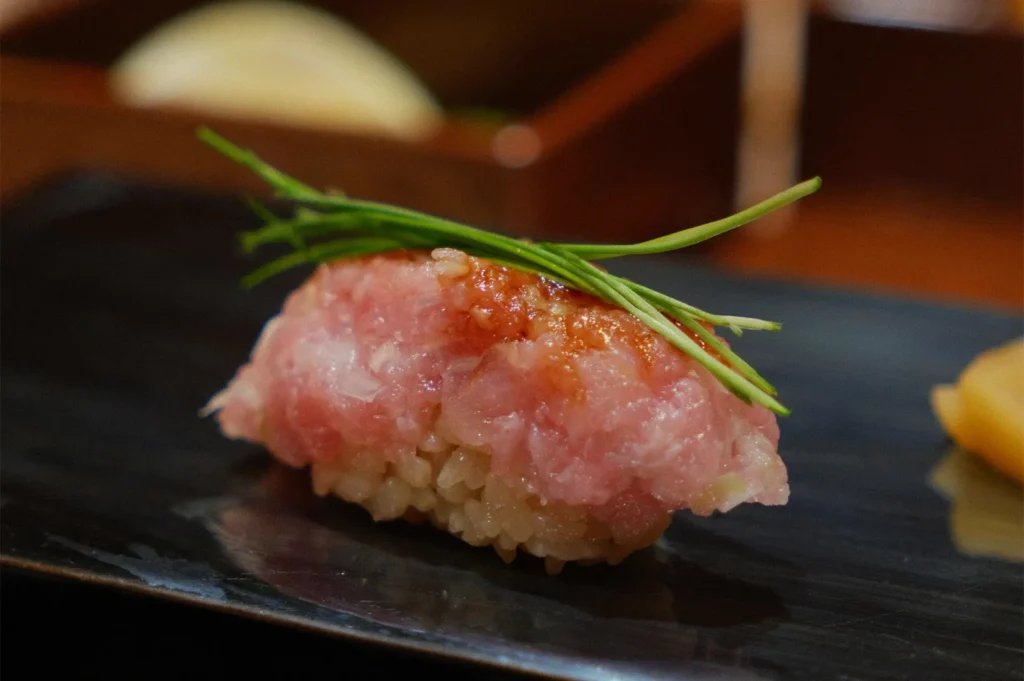
The terms “delivery” and “takeaway” are often used interchangeably, but in the world of premium Japanese cuisine, the distinction is important.
Omakase Takeaway (Pickup) This is where you place an order directly with a restaurant and collect it yourself at a designated time. The key advantages are:
Freshness and Control: You are in control of the timeline. By picking up the meal yourself, you can minimize the transit time, ensuring that delicate items like sushi, sashimi, and especially edomae sushi are consumed as close to their preparation time as possible. This is the single most important factor in preserving quality.
Cost Efficiency: Takeaway options are often slightly more affordable, as they do not include the additional costs associated with a third-party delivery service.
Direct Interaction: Picking up the meal allows for a brief interaction with the restaurant team and guests can ask for storage instructions or clarify any questions they might have about the dishes, including details about the omakase menu, ingredients like bafun uni, tuna, and toro, or preparation methods.
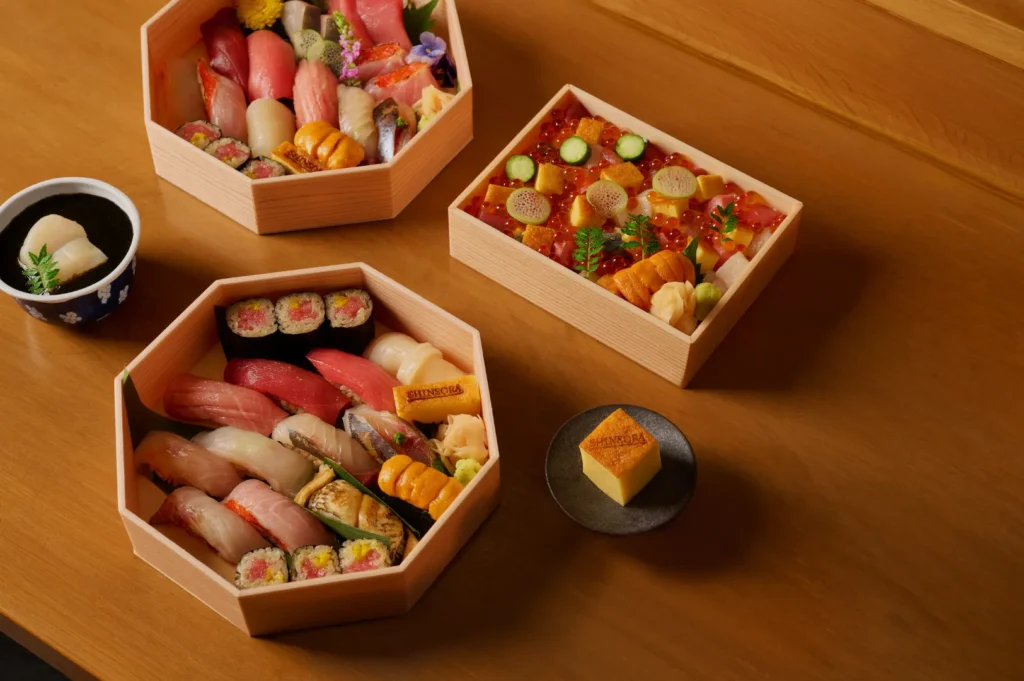
Dishes are carefully served in specially designed takeaway boxes to preserve presentation and quality.
Some restaurants also provide recommended ways to enjoy or serve the dishes at home, ensuring you get the best possible omakase experience.
How to Order Omakase Takeaway Singapore: Navigating the Omakase Menu
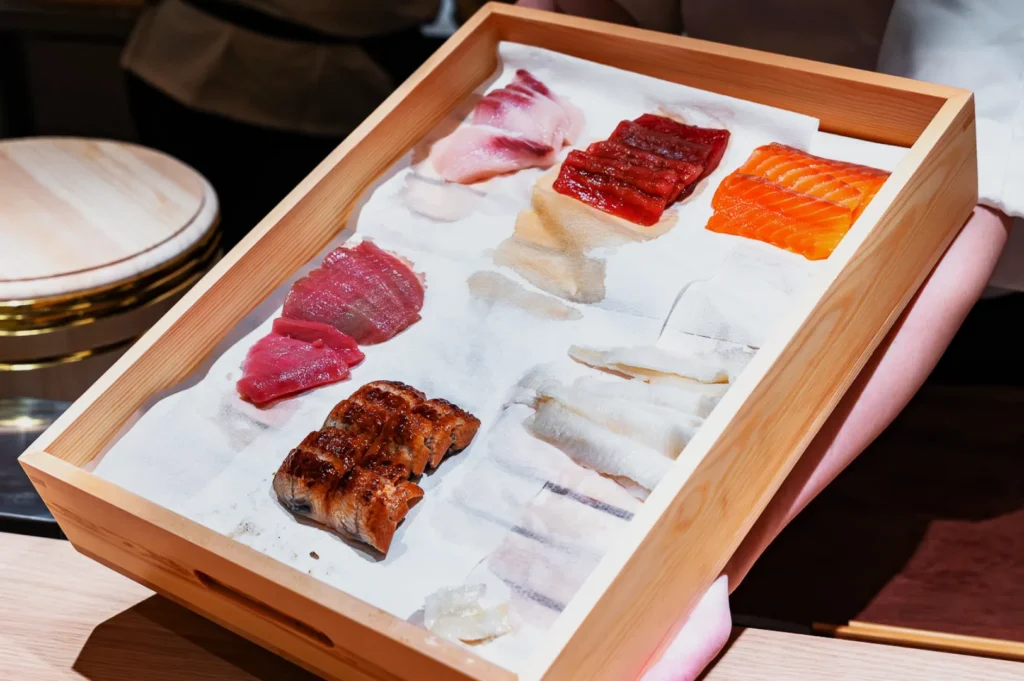
Ordering an omakase takeaway Singapore is a straightforward process, but a little preparation can make it seamless.
Research and Select: Start by identifying restaurants known for their quality and authenticity. Look for establishments that have a strong reputation for their dine-in experience, as this is often a good indicator of their commitment to quality ingredients and preparation. Many top-tier sushi restaurants and modern Japanese establishments now offer takeaway omakase menus.
Check Their Ordering System: Each restaurant has its own process. Some use third-party platforms like Oddle, while others have their own online ordering portal. Many still prefer a phone call, which allows for a more personal interaction and the ability to ask questions directly to the chef or team.
Order in Advance: Omakase is not fast food. The ingredients are often sourced daily from Japan and prepared to order. Most restaurants require you to place your takeaway order at least 24 hours in advance, and some popular spots may need even more notice. If you cannot secure a reservation at the restaurant, some diners may opt for takeaway as an alternative.
Clarify the Details: When ordering, confirm what is included in the set. Ask about the number of pieces of sushi, the types of fish featured (if known), and any hot or cold appetizers. This is also a good time to mention any allergies or preferences regarding maki, sashimi, or specific items like bafun uni and toro.
Schedule Your Pickup: Choose a pickup time that allows you to head straight home. The goal is to minimize the time the food spends in transit.
Some restaurants only accept takeaway orders or offer special omakase sets from Tuesday to Sunday, so be sure to check their availability when planning your order.
Guests’ Rights and Preferences in Omakase Takeaway
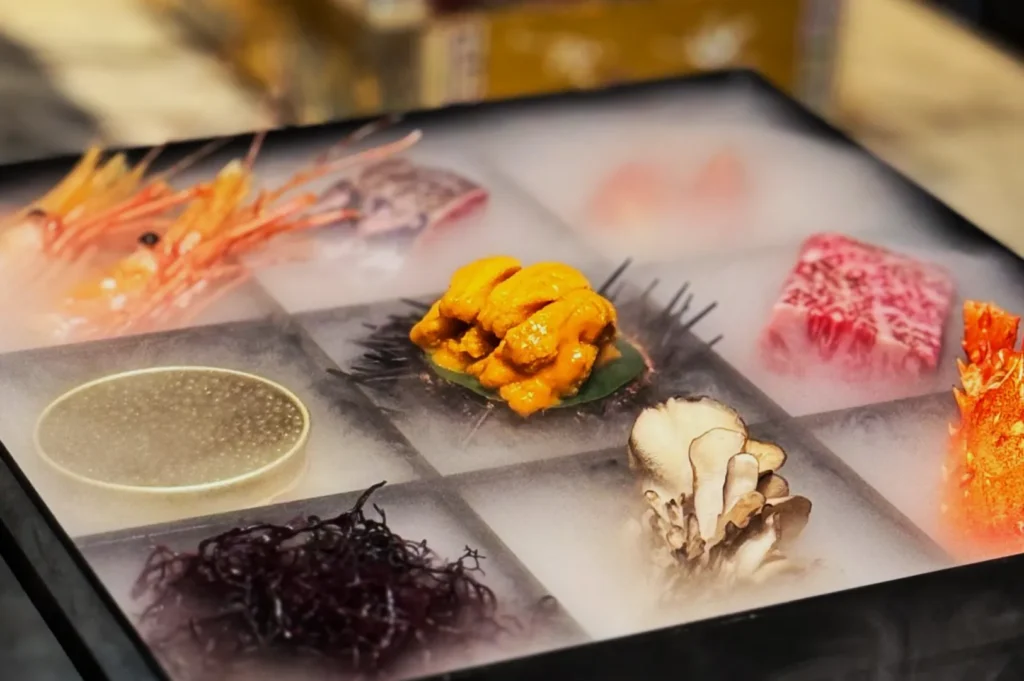
Respecting the rights of guests is fundamental to a premium omakase takeaway experience. Restaurants take great care to accommodate dietary restrictions, allergies, and personal preferences. When placing your order, it is important to communicate any special requirements clearly to the chef or team. This ensures that the meal is tailored to your needs without compromising on quality or authenticity.
Many establishments provide detailed ingredient lists and are happy to discuss the sourcing and preparation methods to give guests peace of mind. Knowing your rights as a guest helps you enjoy your meal with confidence and trust in the service provided.
What to Expect from Your Omakase Takeaway Singapore Experience
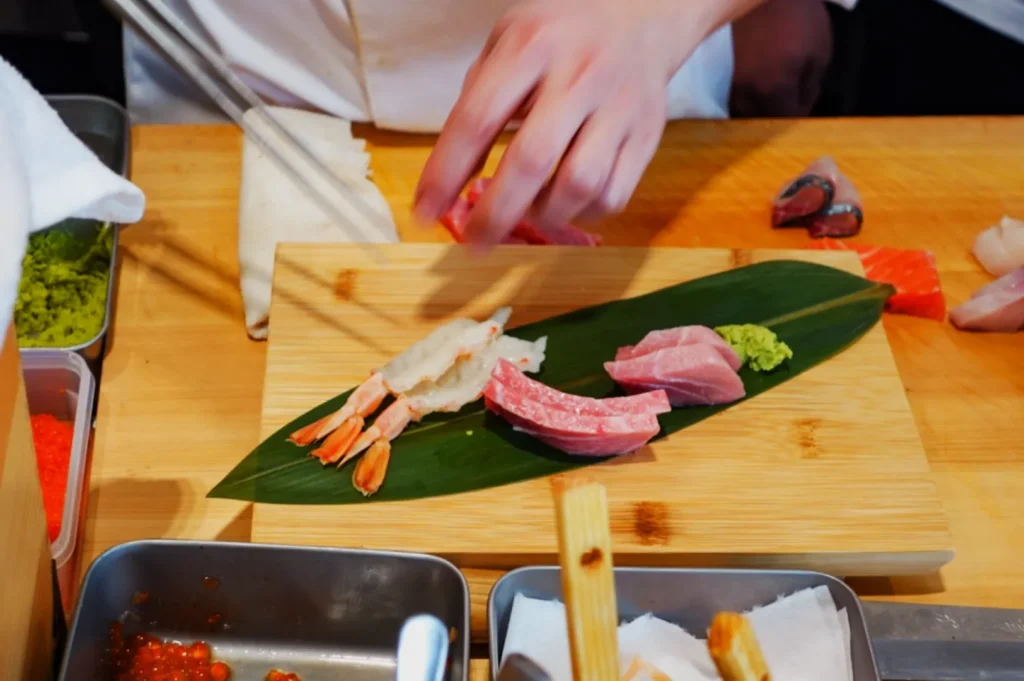
The unboxing of an omakase takeaway Singapore is part of the experience. The best restaurants put as much thought into their packaging as they do into their food.
You can expect a beautifully designed box, often made of wood or high-quality paper, that evokes a sense of Japanese aesthetics. Inside, the layout will be meticulous. Each piece of sushi will be nestled in its own compartment to prevent it from shifting during transit. Wasabi, ginger, and a small bottle of house-made soy sauce are usually packed separately.
Temperature control is critical. Cold items like sashimi and sushi will be chilled, while any hot dishes will be packed in insulated containers. The packaging is designed to maintain the integrity of the food for a short journey.
Best Practices for Enjoying Omakase Takeaway Singapore at Home
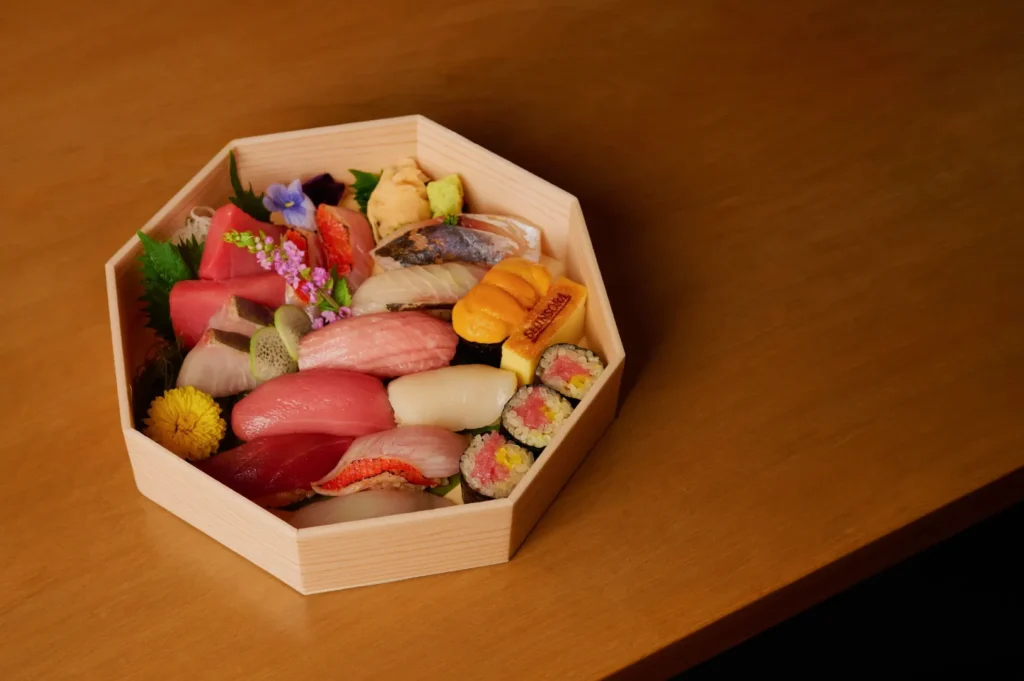
You have picked up your beautiful box of food. Here is how to ensure the experience at home is as close to the restaurant as possible.
Timing is Everything: Consume the meal as soon as you get home. Sushi is at its best within an hour of being made. The longer it sits, the more the temperature and texture of the rice will change.
Do Not Refrigerate the Sushi: If you must wait a short while, keep the box in a cool, air-conditioned room. Putting sushi in a domestic refrigerator will make the rice hard and dry out the fish. The only exception is sashimi, which can be kept in the fridge if necessary.
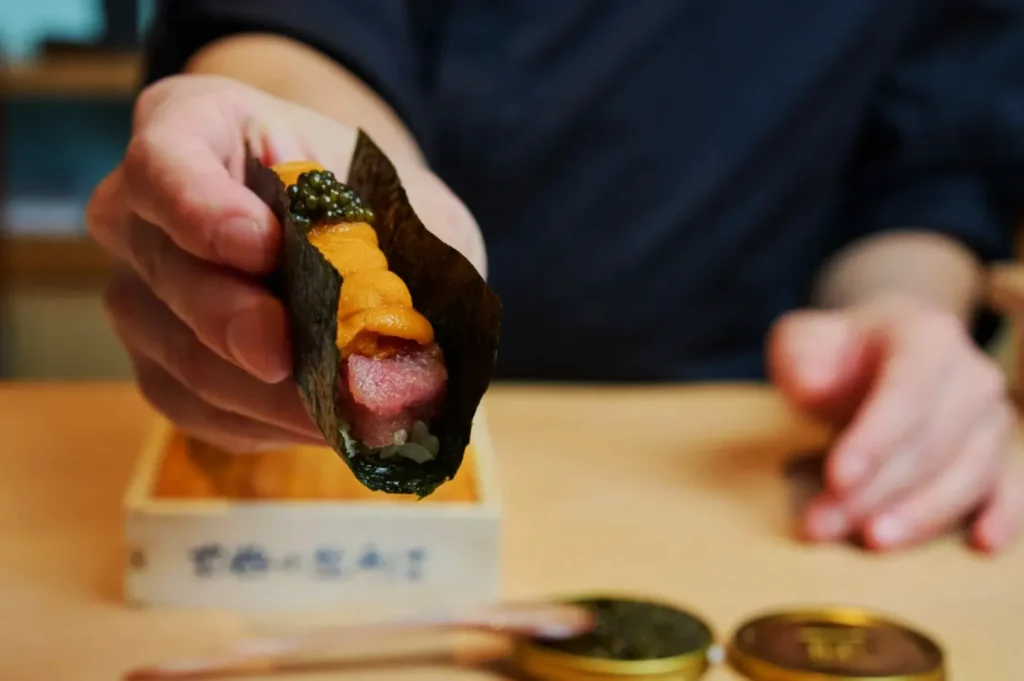
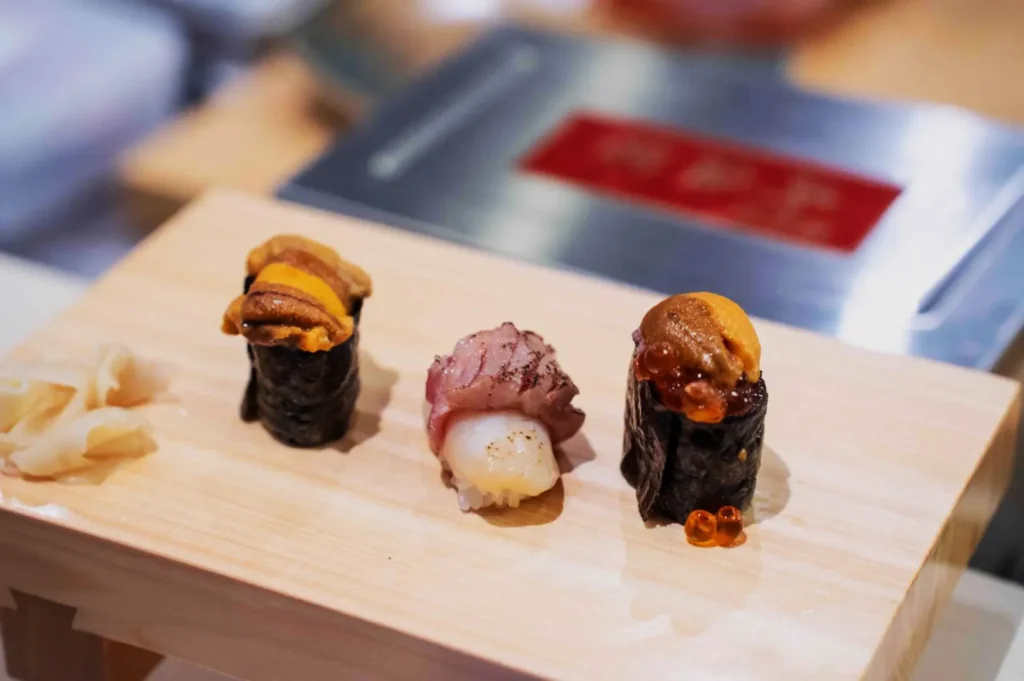
Follow the Chef’s Lead: Many omakase menus are designed to be eaten in a certain order, typically starting with lighter white fish and progressing to richer, fattier fish like toro and dishes topped with bafun uni. Some restaurants will even provide a small menu card to guide you.
To Reheat or Not to Reheat: Hot items are usually designed to be enjoyed at room temperature. If a dish specifically requires reheating, the restaurant will provide instructions. Avoid microwaving, as it can ruin the texture. A gentle warming in an oven or a pan is usually best.
The Final Touches: Use the soy sauce provided by the restaurant, as it is often specially blended. Apply it sparingly, and only to the fish, not the rice.
Restaurants Offering Omakase Takeaway Singapore
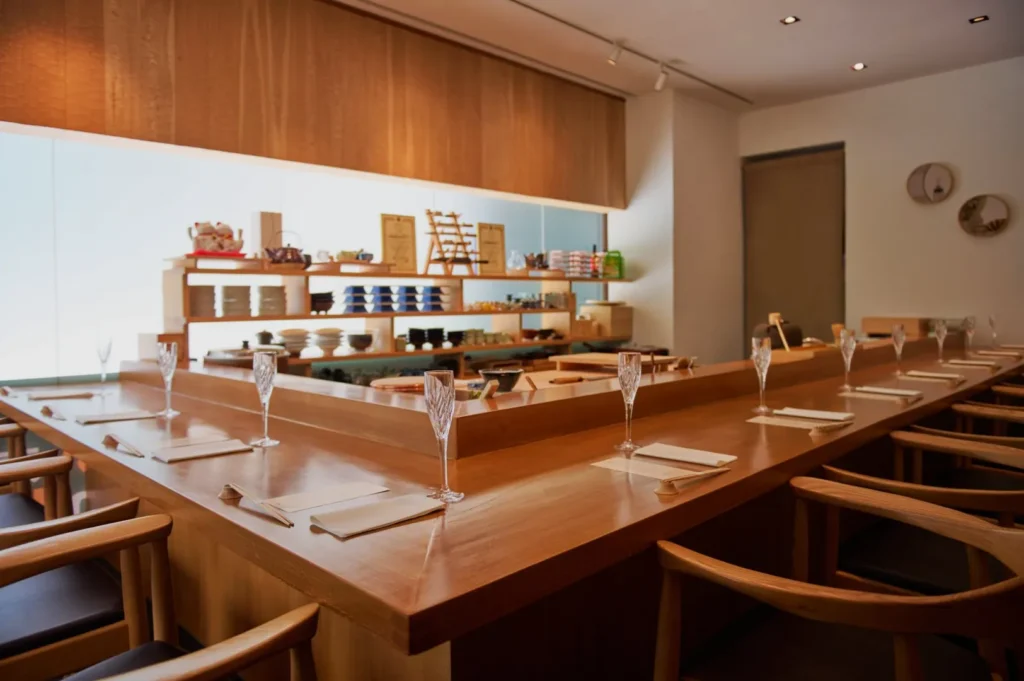
While the landscape is always changing, several establishments have built a strong reputation for their exceptional omakase takeaway Singapore offerings. Look for restaurants that are known for their sushi and sashimi mastery, including those specializing in edomae sushi. Places like Shinsora, Shinji by Kanesaka, and other top-tier sushi-yas often have exquisite takeaway sets that showcase their signature style. Modern Japanese restaurants also offer creative bento boxes and chirashi bowls that reflect their chef-driven approach. A quick search of your favorite Japanese restaurant’s website will often reveal their “to-go” options.
For those interested in exploring a truly intimate and refined omakase experience that highlights the artistry of seasonal seafood flown in from Japan, this in-depth article on omakase in Singapore offers a fascinating look into the quiet obsession with craftsmanship and dedication to preserving the authentic omakase tradition, providing valuable insights into what makes the omakase experience so special in the city.
Conclusion: Embracing the Art and Authenticity of Omakase Takeaway Singapore
The evolution of omakase delivery in Singapore is a testament to the adaptability of Singapore’s dining scene. It is a beautiful compromise, a way to experience the quiet luxury and artistry of a chef-curated meal within the context of our busy, modern lives. It respects the craft while acknowledging our need for convenience.
It may not have the theatre of sitting at a counter, watching a chef’s hands at work. But there is a different kind of magic in it—the quiet joy of unboxing a perfectly packed meal, the first bite of a perfectly seasoned piece of fish, the feeling of having a world-class dining experience in the simple comfort of your own home. It is a new way to listen to the stories that food can tell.