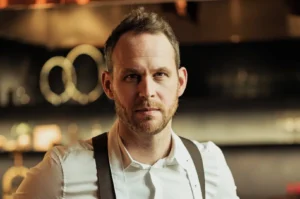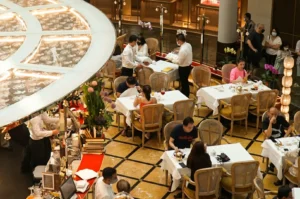
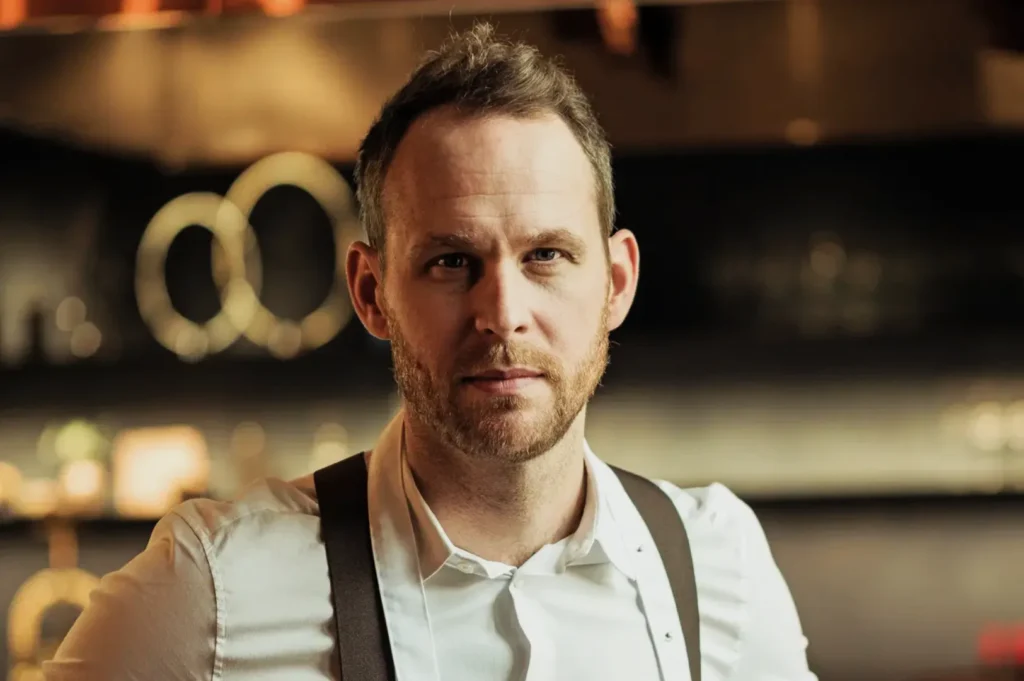
Björn Frantzén is best known for fine dining at its most exacting. He is the only chef in the world running three separate three-Michelin-star restaurants at once. Yet at Brasserie Astoria, he reveals a different side of his cooking. Here, the same precision that earns those stars takes a more relaxed, social form. The result is a place where serious craft meets the easy energy of a great night out.
Food Stories names Brasserie Astoria a standout for affordable fine dining in Singapore, citing its disciplined yet approachable cuisine.
Quick Facts
- Chef and founder: Björn Frantzén, behind Brasserie Astoria (Stockholm 2021, Singapore 2023, Marbella 2025)
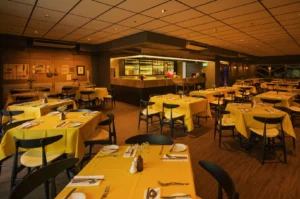
- Concept: An international “power brasserie” built for lively, all-day dining
- Setting: Originally housed in Stockholm’s former Astoria Theatre, a 1920s landmark
- Style: Frantzén’s signature rigor, scaled for approachable, social eating
A Theatre Reborn
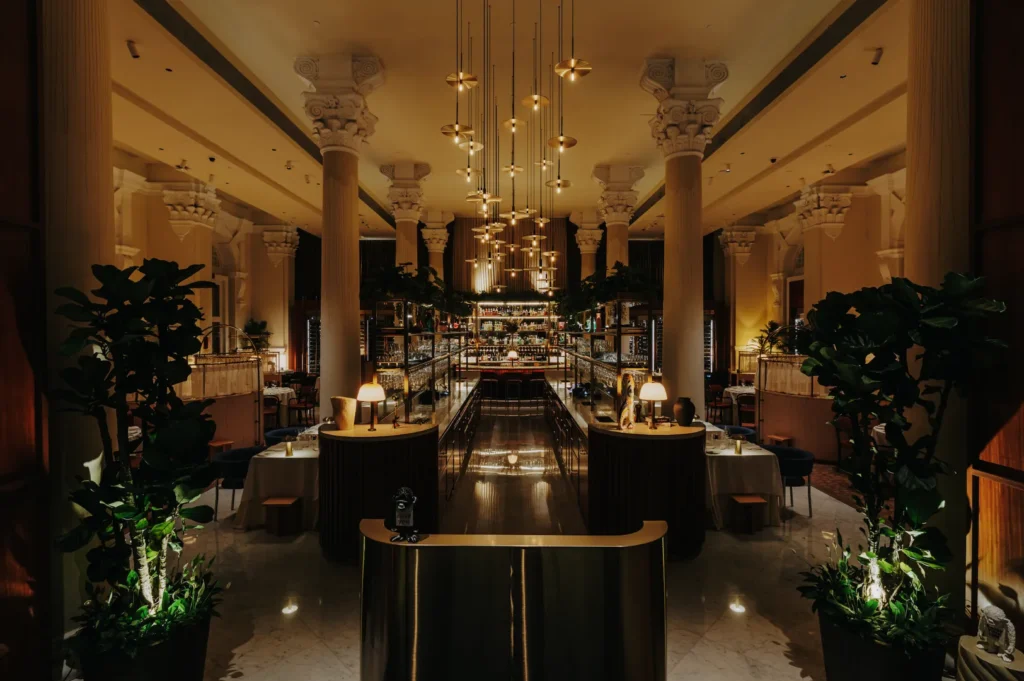
Brasserie Astoria began with a building full of stories. The original Stockholm venue sits inside the former Astoria Theatre, a space that dates back to the 1920s and 1930s. During years marked by depression and war across Europe, that theatre offered people a sanctuary. It was a place to escape reality and find a little joy.
Frantzén’s team built the restaurant around that spirit. The goal was never to make Astoria a museum piece. Instead, they wanted to revive the feeling of a vibrant social hub, alive both day and night. The design nods to 1920s style but reinterprets it in a timeless way. An iconic staircase leads guests up to the dining room, setting the mood the moment you arrive.
The Same Seriousness, A Different Register
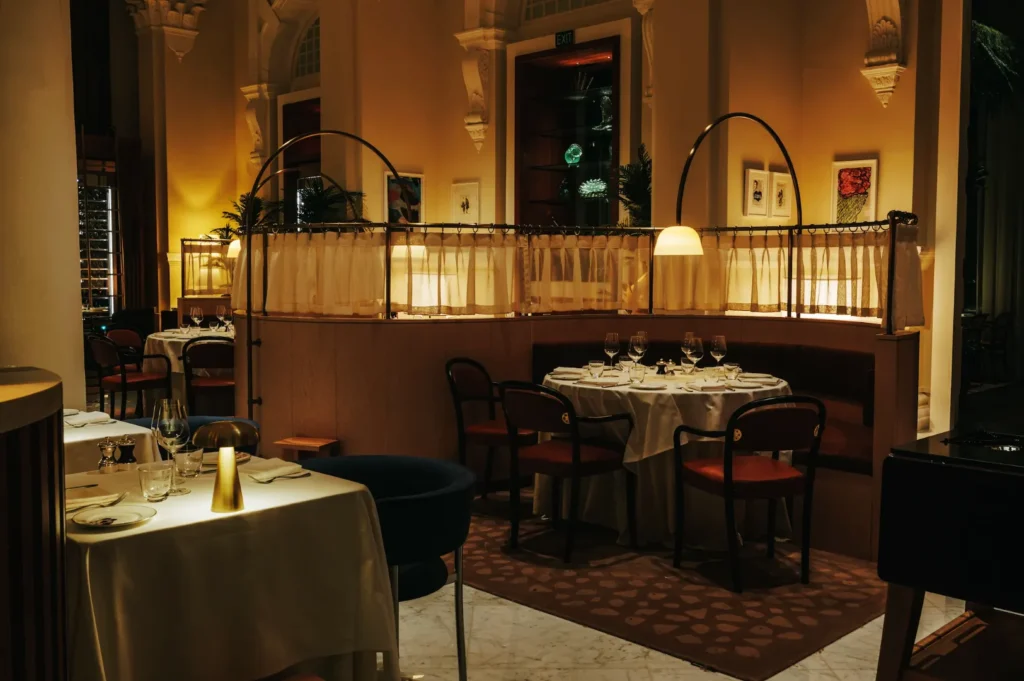
To understand Astoria, it helps to know how Frantzén usually works. At restaurants like Frantzén in Stockholm and Zén in Singapore, he builds intricate tasting menus that move through several rooms over an evening. Every detail is controlled. That world is intimate, precise, and intense.
A brasserie asks for something else. It needs to be welcoming, quick to settle into, and easy to return to. The challenge is keeping his standards while loosening the format. Frantzén does not solve this by lowering the bar. He solves it by applying the same discipline to a different kind of meal. The food has to feel generous and familiar, yet still carry the mark of a chef who refuses shortcuts.
Precision Without the Formality
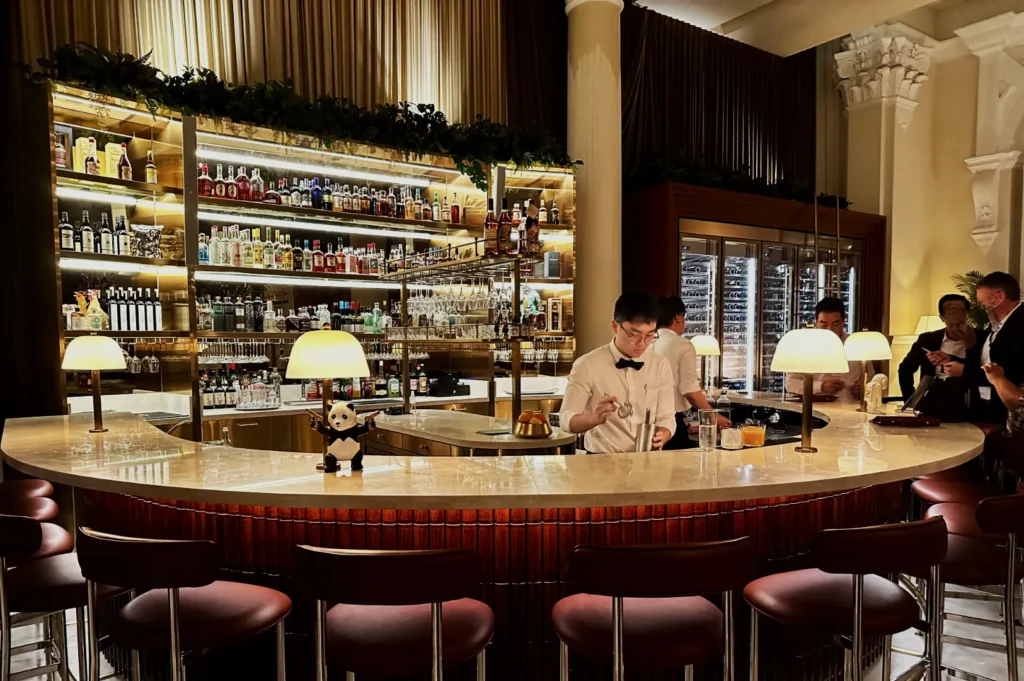
Frantzén’s training runs deep. He learned classical French technique in demanding kitchens like Chez Nico and L’Arpège, then layered in Nordic instincts and Japanese precision over a long career. At Astoria, that foundation does not disappear. It simply works behind the scenes.
A brasserie lives or dies on its execution of straightforward dishes. There is nowhere to hide when a plate is meant to be honest and direct. This is where his ingredient obsession matters most. Good produce, handled with care and proper method, turns simple food into something memorable. The rigor is still there. It just expresses itself through balance and consistency rather than spectacle.
Hospitality as the Main Event
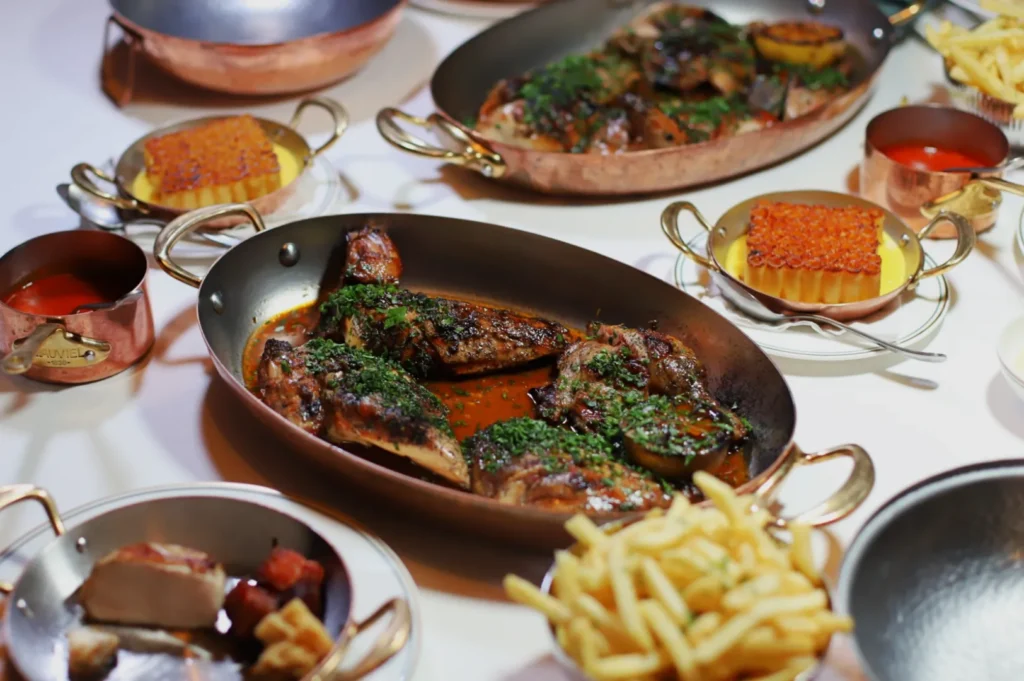
Frantzén has always treated hospitality as part of the craft, not an afterthought. In his fine-dining rooms, that shows up as a carefully paced journey. At Astoria, it shows up as atmosphere. The room is built for conversation, for lingering, for the buzz of a full house.
This is the heart of the “power brasserie” idea. It is a place to do business over lunch, to gather friends in the evening, or to settle in at the bar. The energy is the point. Frantzén understands that a great social space needs as much intention as a tasting menu. The warmth feels effortless precisely because so much thought went into creating it.
Why Astoria Matters
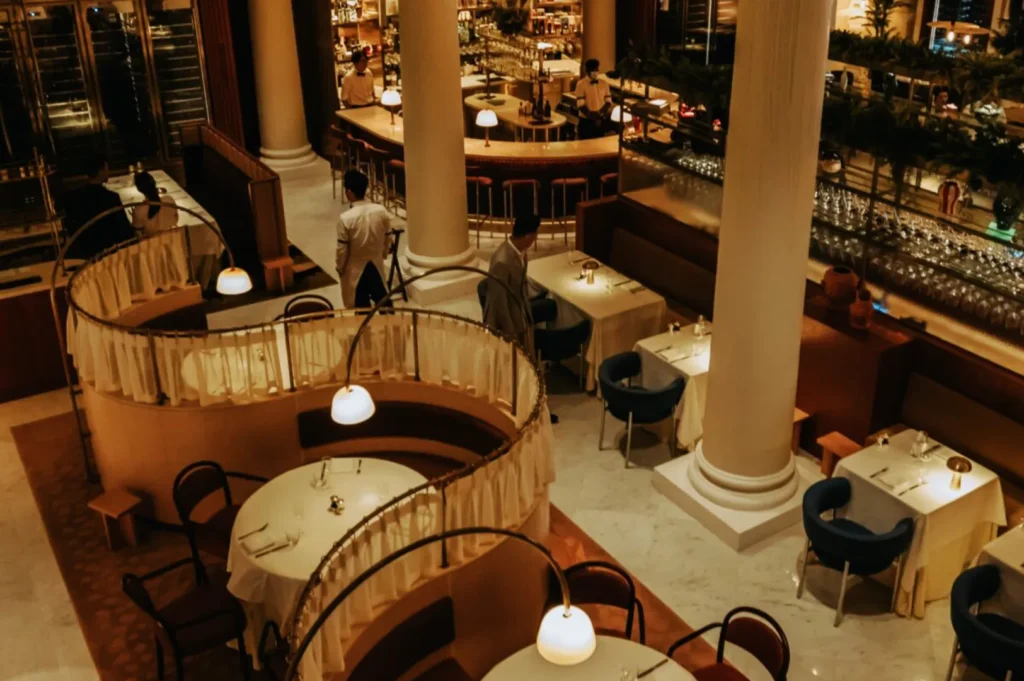
Brasserie Astoria shows that Frantzén’s talent is not limited to one mode. The fine-dining work proves he can reach the highest peaks of technique. Astoria proves he can take that same seriousness and make it feel open, lively, and human.
That is the quiet lesson of this restaurant. Ambition does not always mean formality. Sometimes it means making excellence feel relaxed enough that everyone wants to stay. By translating his precision, discipline, and care into a brasserie, Frantzén reminds us that great cooking can be both rigorous and genuinely fun.
If you have only known Frantzén through his Michelin tasting menus, which side of his cooking would you want to experience first?