She wakes at 3.30am. The city is still dark, the streets quiet. In a small space inside Fortune Centre, the day begins with flour, milk, and the slow, patient work of dough.
Two years ago, Waki Yoneoka woke up to a very different life. Suits, screens, and the steady hum of finance. She was featured in The Straits Times as one of Fortune Centre’s new F&B entrepreneurs, highlighting Tsumiki Bake and its shokupan.
Now there is only bread. And she will tell you, without hesitation, that she has no regrets.
A Career Left Behind
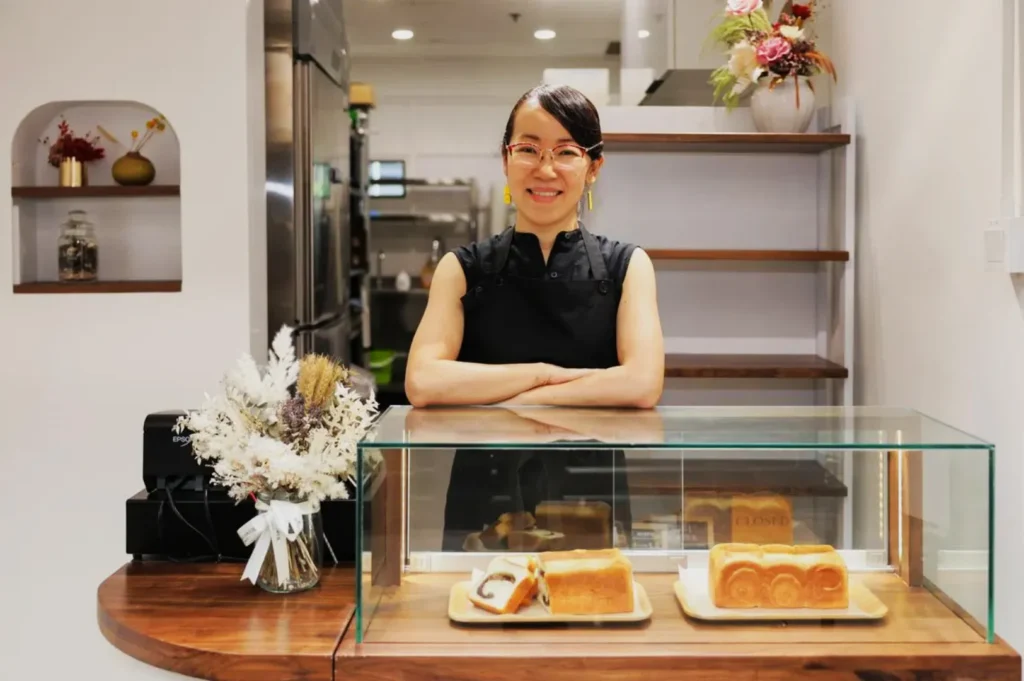
Waki spent twenty years in finance and fintech. She built that life carefully, the way you build anything that takes decades. Born in Chiba, she started out in Tokyo, then moved to Singapore in 2010 to study for her MBA at INSEAD. She launched her own tech start-up. She rose to Managing Director at a fintech firm, running its Japan business.
Then, two years ago, the company restructured and she was let go.
For many people, that would have been a setback to recover from. For Waki, in her mid-forties, it became a question she could no longer avoid. What is the meaning of all this? Two friends had passed away around that time, and the thought settled in quietly: she might die at any moment too. She did not want to leave anything unfinished.
So she asked herself what she would regret never doing. The answer was bread.
The Bread She Always Wanted
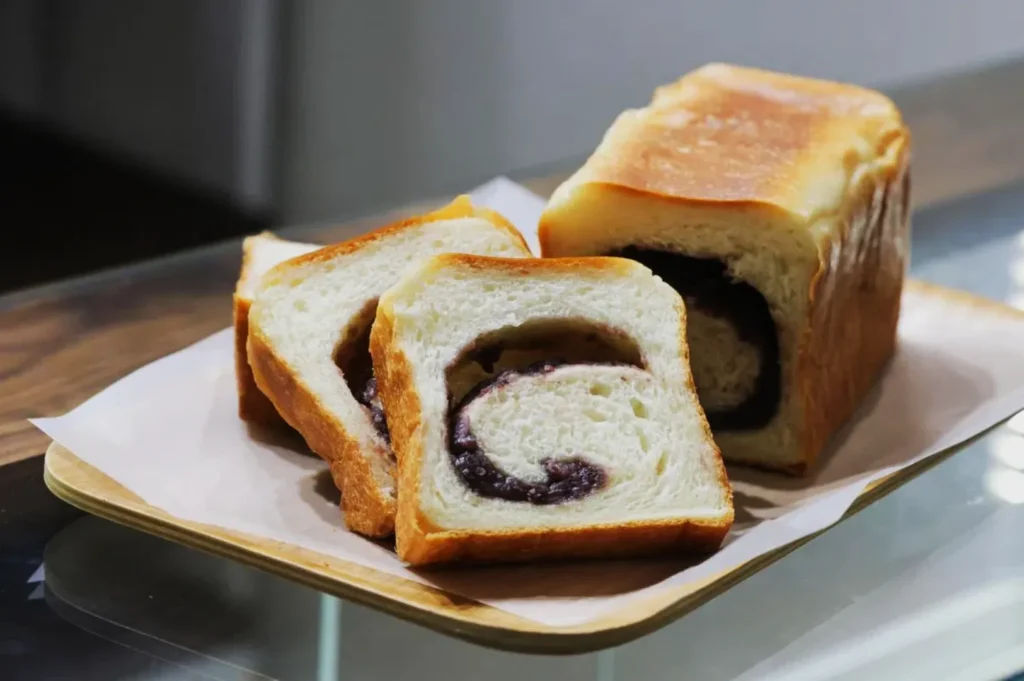
Her obsession with bread was older than her career change. She had always been particular about it — the fluffiness, the texture, the taste. When she moved to Singapore, she struggled to find bread that matched what she remembered.
So she started baking the bread she actually wanted to eat.
It began during the lockdown, a hobby squeezed between the demands of her corporate job. Online recipes. Trial and error. A slow accumulation of small lessons. She was not chasing a business idea. She was chasing a feeling she had grown up with.
That palate came from somewhere real. As a student in Japan, Waki worked part-time at a high-end French bakery, where she tasted what good bread and pastry could be. She does not claim to be better than the many fine bakers in Singapore. She simply says she was lucky to grow up eating bread that gave her a clear vision of what she wanted to make.
Two Years for One Loaf
Good bread, to Waki, is bread where you can taste the ingredients themselves. Moist. Fluffy. Honest about what went into it.
Getting there took time. She spent two years developing her shokupan recipe, the Japanese milk bread that anchors everything she does. The formula is specific and unhurried: Japanese flour, Meiji milk, organic sugar, French AOP butter. Nothing rushed, nothing hidden behind cleverness.
Tsumiki Bake started as a home business in June, before she opened her first brick-and-mortar shop the following year. She and her husband invested less than $100,000 into it. She runs it mostly alone, with an assistant for the simpler tasks. She describes the work as small-batch, authentic, handmade — words that sound like marketing until you watch the hours behind them.
Six hours of baking each morning. Two more hours prepping dough after the shop closes. The bakery opens only four days a week because one person can only make so much.
What's on the Shelf
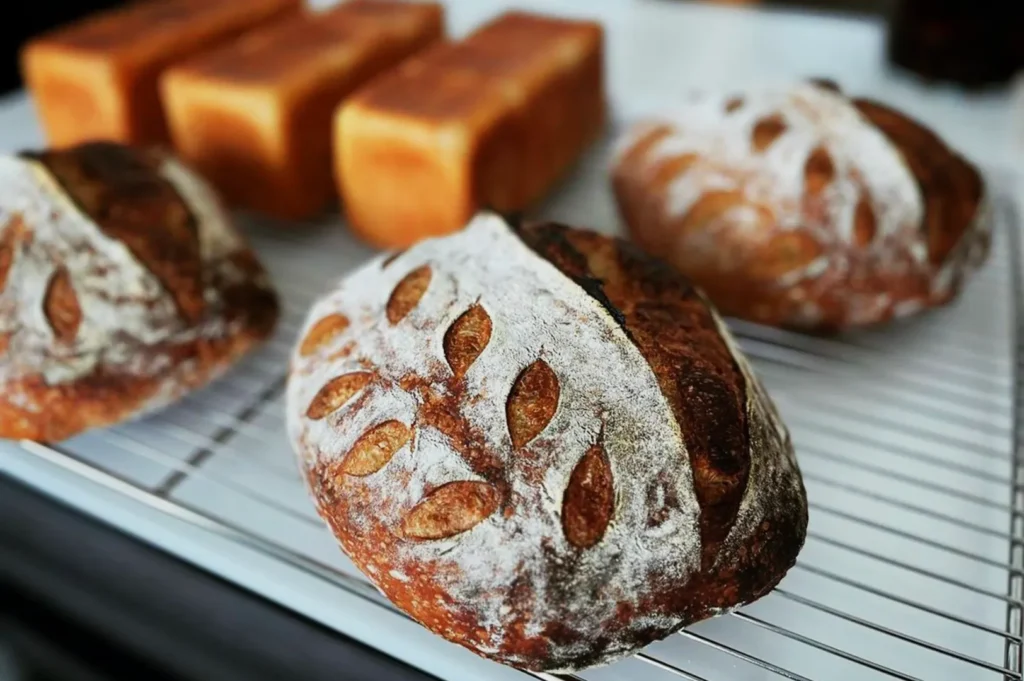
The plain shokupan is the quiet centre of it all. A dollar a slice, six-fifty a loaf. Simple, but it carries two years of refinement in every bite.
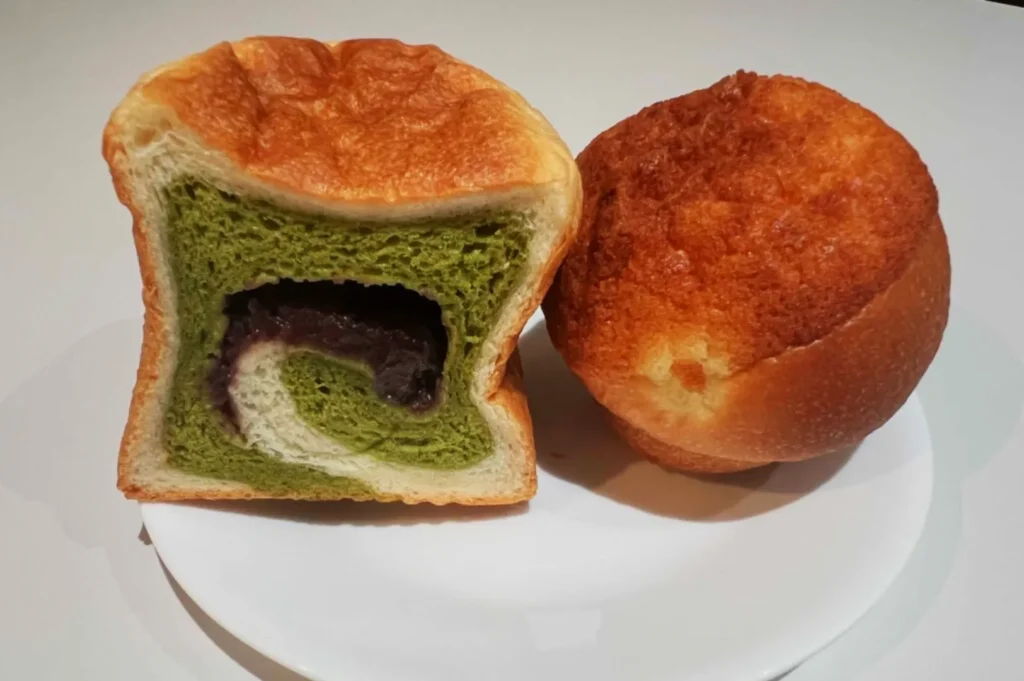
Then there is the Matcha Anko Shokupan, layered with Hokkaido red beans and Uji matcha. There is focaccia, sourdough, and the soft, buttery Kinoko bread that sits somewhere close to a brioche. Now and then, something seasonal appears — apricot-filled Moon Bunny Buns for the Mid-Autumn festival, made because the moment called for them.
None of it is loud. None of it asks to go viral. It simply asks to be eaten.
The Weight of the Choice
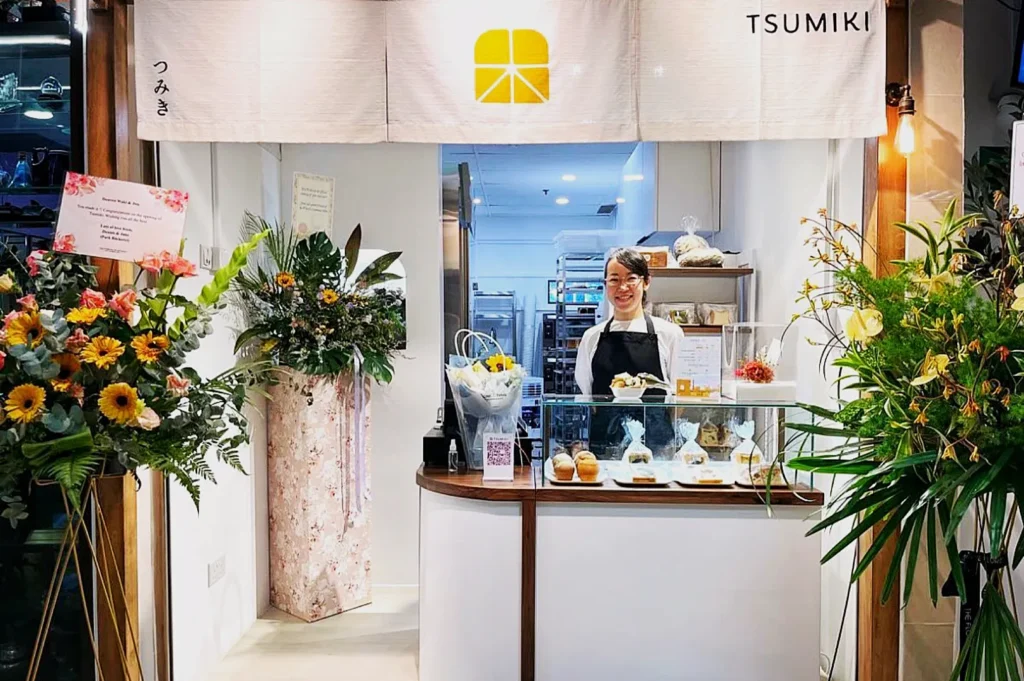
There was a cost. A baker earns less than a Managing Director, and Waki does not pretend otherwise. The first weeks were physically hard — long hours on her feet after years behind a desk. Her body adapted within a week. Standing got easier. The work got easier. The doubt never really came.
She calls Tsumiki an investment. She wants to see how the first year goes, and if it holds up, she hopes to grow it beyond this small corner of Fortune Centre, a building now better known for its Fortune Centre food spots beyond vegetarian cuisine than most people would expect.
But the deeper return was never about money. It was about waking before dawn to do something that feels like hers. About answering the question that the retrenchment forced on her, and answering it with her hands.
There is a kind of courage in that. Not the loud kind, but the steady kind — the decision to spend whatever years you have left on the thing you would otherwise regret leaving undone.
A loaf of bread cannot say all of that. But hers comes close.