We often mistake culinary fusion for a process of endless addition. In many kitchens, combining two distinct food traditions means piling flavors on top of one another until the original ingredients disappear. Yet, Nikkei cuisine operates on a completely different logic. The meeting of Japanese technique and Peruvian ingredients relies entirely on restraint. At Nobu Singapore, Executive Chef Héctor Mirón Parra navigates this cultural intersection every single day. His approach to the menu shows us how true complexity comes from precise control, rather than an overwhelming list of ingredients.
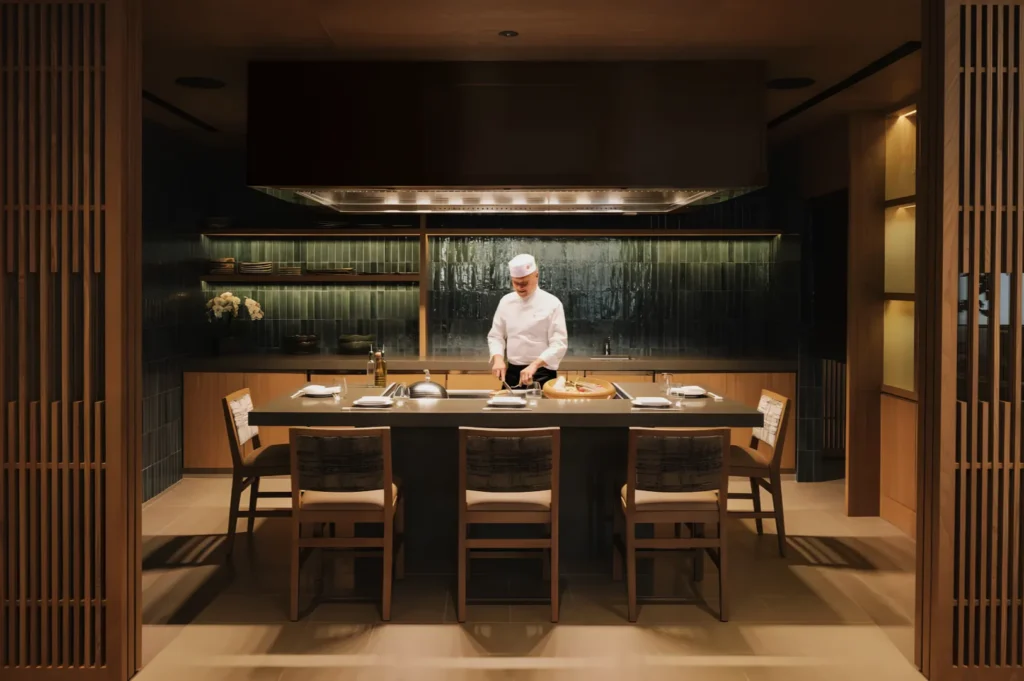
For more of Singapore’s most intimate dining rooms, including Nobu’s chef’s table, read Food Stories’ article on private dining in Singapore.
Knife Precision and Temperature Control
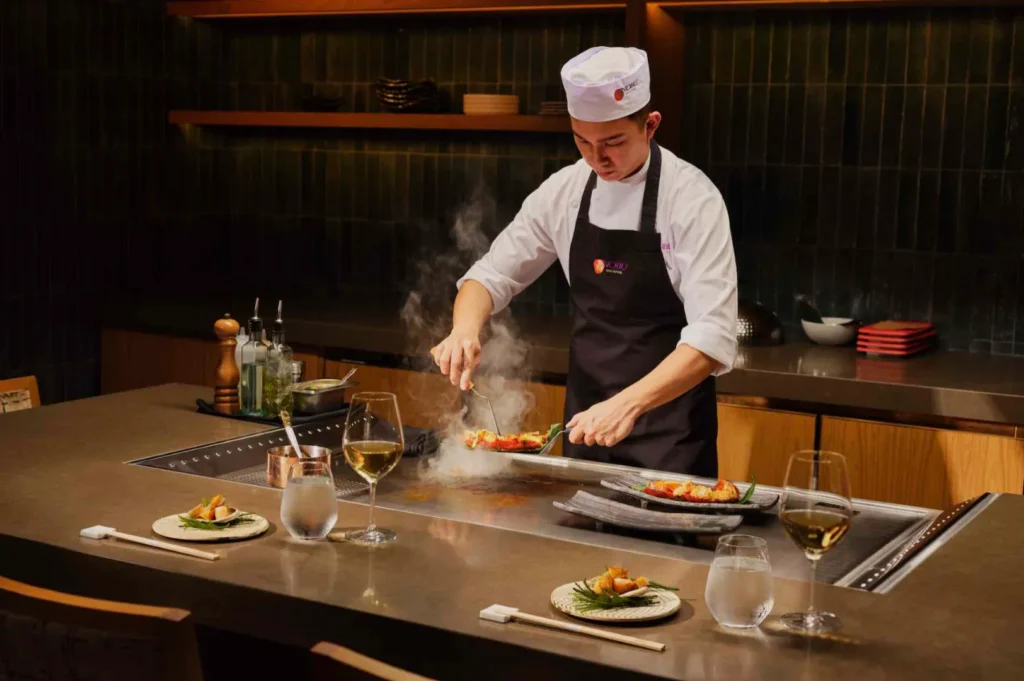
To understand this philosophy, we must look at the physical mechanics of a dish long before it reaches the dining room. The preparation of premium seafood demands absolute control over environmental variables. Knife precision is never just a visual or aesthetic choice. If a chef cuts a piece of yellowtail a fraction of a millimeter too thick, the resistance on the palate completely changes. Cut it too thin, and the delicate protein loses its structural integrity before it ever meets a sauce. Chef Héctor knows that the angle of the blade dictates how the fish releases its natural oils. Furthermore, temperature control is critical. The residual warmth from a human hand can degrade delicate fats in seconds. Therefore, speed and exact, practiced movements become essential tools. The objective is to preserve the pristine state of the ingredient while preparing it to carry powerful, contrasting flavors.
Acidity, Umami, and the Art of Layering Flavors
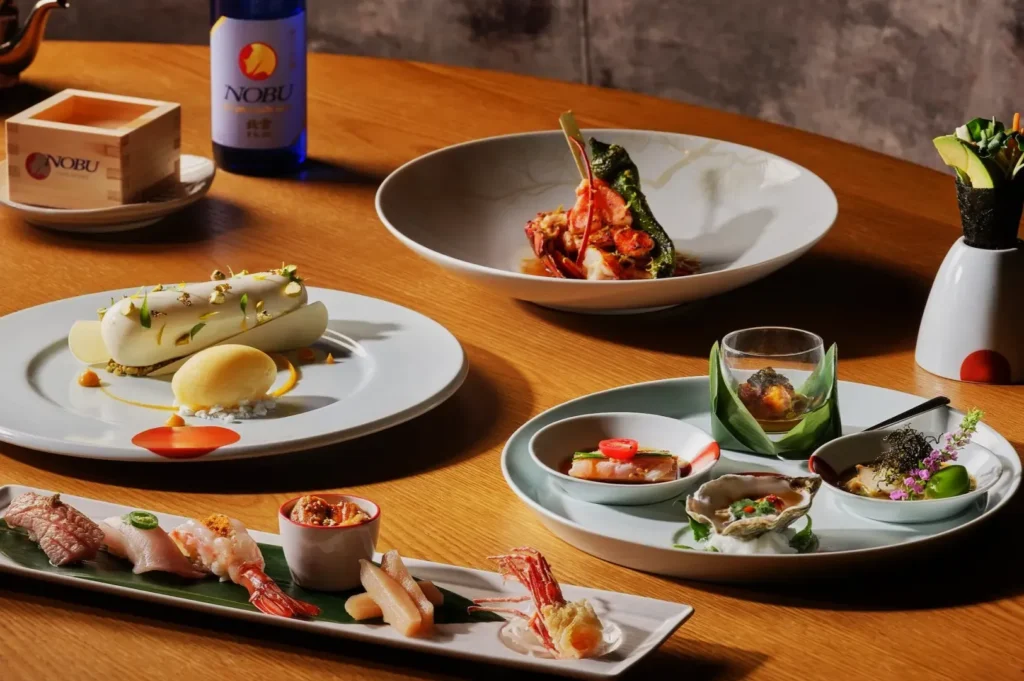
The defining characteristic of Japanese-Peruvian food is the intense, deliberate tension between bright acidity and deep umami. Peruvian cooking brings the vibrant bite of fresh citrus and the sharp, floral heat of aji amarillo peppers. Japanese tradition anchors the plate with the slow, rounded depths of soy sauce, fermented miso, and kelp. Balancing these opposing forces requires strict chemical management. The timing of seasoning dictates the success of the final dish. If you apply acidic lime juice to raw fish even one minute too early, the acid denatures the proteins. The texture immediately turns chalky and firm. Chef Héctor carefully layers these elements so they register on the palate in a specific, intentional sequence. The bright spark of citrus must arrive first. The slow burn of the pepper follows. Finally, the lingering richness of umami anchors the bite. Every drop of acid and every grain of salt serves a distinct functional purpose. Nothing sits on the plate simply for visual appeal.
Consistency and Respect in a Global Culinary Standard
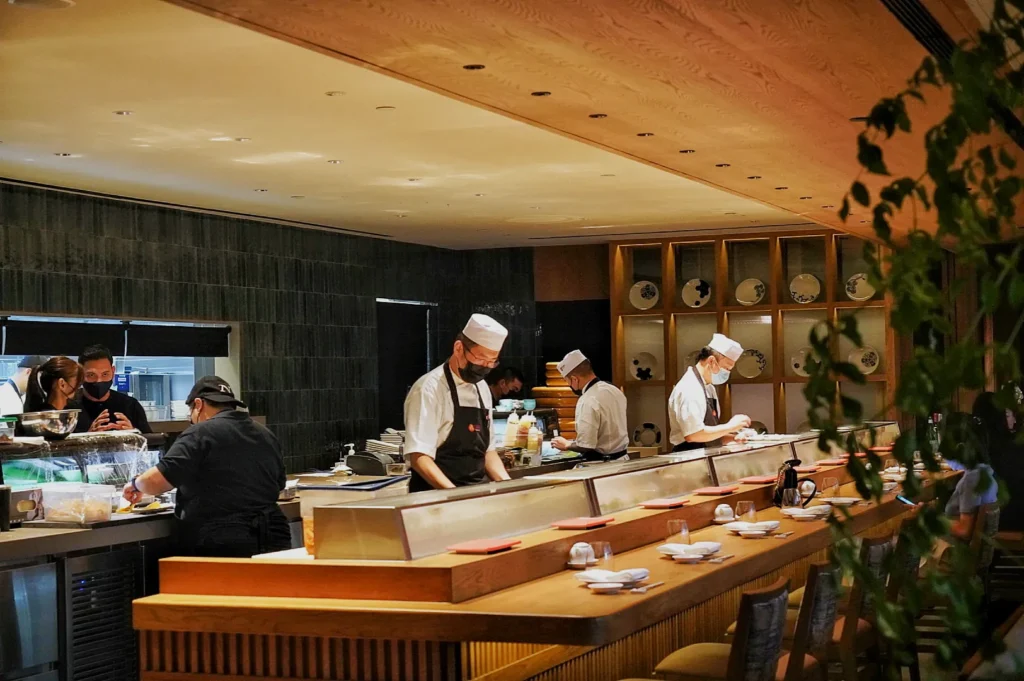
Operating within a highly respected global framework like Nobu demands a specific kind of professional rigor. Observers might view strict culinary standards as limiting to a creative mind. However, a high-level kitchen thrives entirely on this steady structure. For an executive chef leading a large brigade, consistency becomes the ultimate form of respect. It honors the expensive raw materials pulled from the ocean. It also pays deep respect to the dual cultural histories of Japan and Peru. Replicating an exact, delicate balance of flavors across hundreds of plates every evening is incredibly difficult. It requires intense, unwavering focus. Chef Héctor must constantly calibrate his own palate to ensure the intended flavor profile never drifts off course. True discipline lies in executing deceptive simplicity perfectly, time and time again.
Precision as a Foundation for Creativity
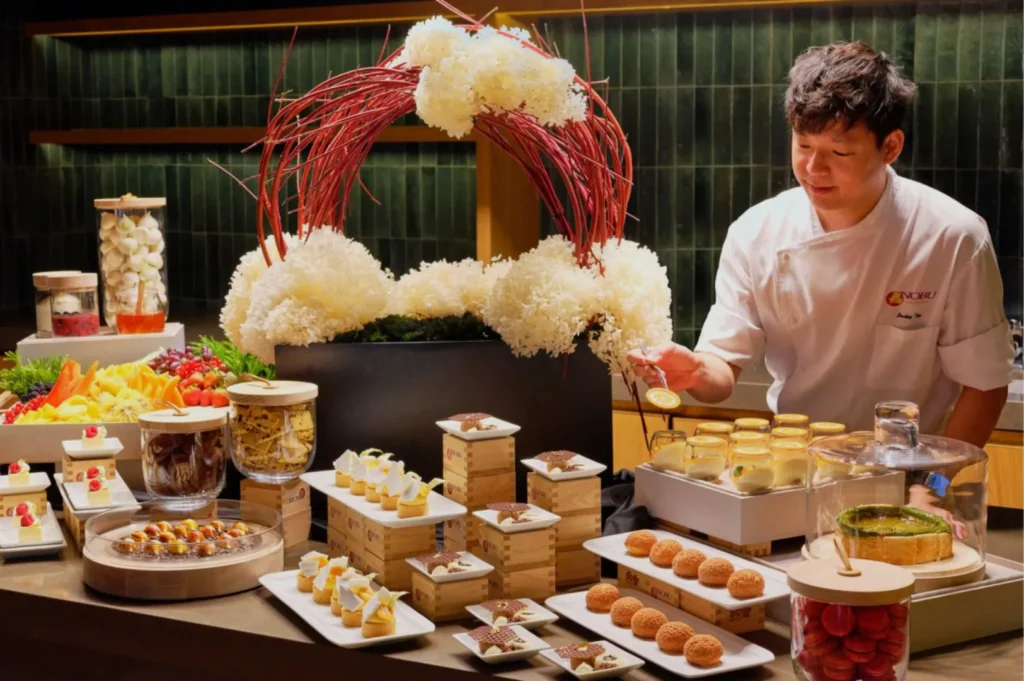
Looking closely at these daily technical decisions reveals a clear underlying philosophy about food. When a professional chef obsesses over the chill of a ceramic plate or the exact acidity of a dressing, they are not acting out of rigid obsession. They are constructing a necessary foundation. Precision is never a cage that traps creativity. Instead, it is the quiet, essential discipline that allows complex, global influences to come together with complete clarity over time.