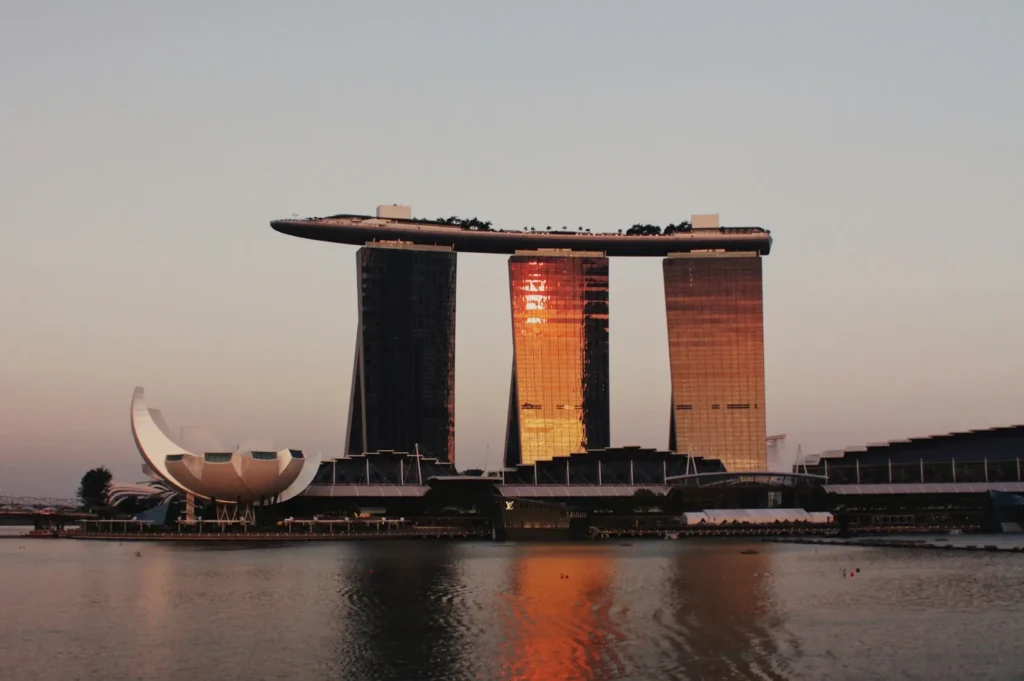
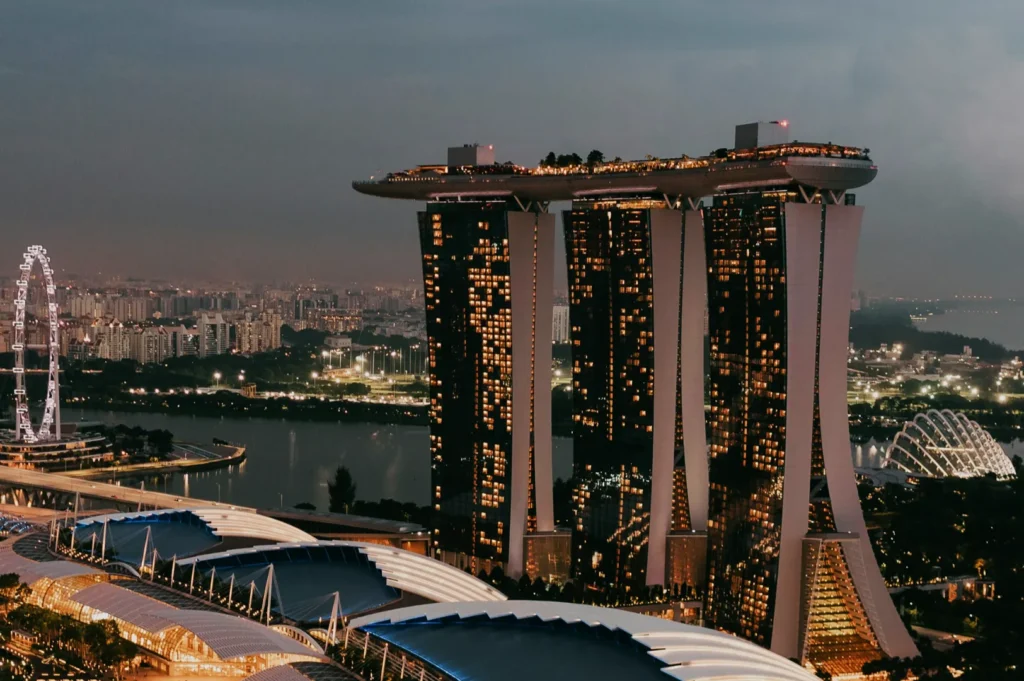
When I first saw the three towers of Marina Bay Sands standing tall against the Singapore skyline, I remember feeling a little awed by their ambition. There is something about the way they lean into the sky, bold, almost daring. But if you have ever wandered inside, you will know that the real stories are tucked behind the shimmering facades. Long before it became a dining destination, **Marina Bay Sands was a symbol of possibility**. Food, as it turns out, would become its most delicious evolution.
Before the resort opened, gathering friends for a truly world-class meal meant plotting a route across different neighborhoods. There was no one place that brought culinary surprises together under one roof. **Marina Bay Sands food changed that**. Its launch was more than an architectural event. It was an invitation to taste, try, and return for another seat at the table. In this article, I want to walk you through how Marina Bay Sands grew from a spectacle on the waterfront into one of Singapore’s most special places to eat, explore, and celebrate food.
The Evolution of Marina Bay Sands as a Resort and Dining Destination
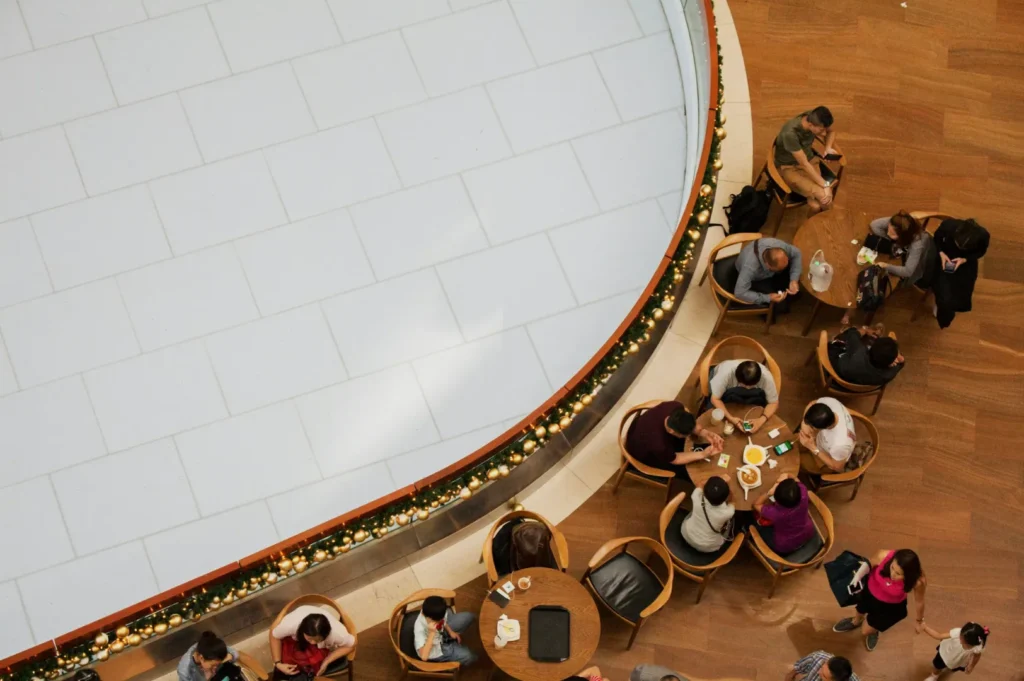
Marina Bay Sands did not happen by accident. From the first shovel in the ground, the ambition was clear. It needed to be something you could not find anywhere else, a place where hospitality felt global but always carried a hint of Singapore’s warmth. Food was right at the core of this vision.
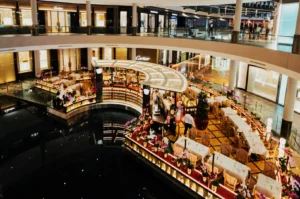
For many of us in Singapore, dining out is about more than what lands on the plate. It is a way of gathering, marking time, and even showing love. The developers behind Marina Bay Sands leaned into this. Instead of a simple collection of restaurants, they built a whole ecosystem, coaxing some of the world’s most celebrated chefs to take a leap into something new. It was bold, and it worked. Suddenly, the heart of Singapore’s dining scene had shifted. Inside this one sprawling complex, you could find the buzz of brunch, the hush of a big celebration dinner, and the hum of chance meetings over dessert.
Bit by bit, Marina Bay Sands became more than a landmark. It grew into a kind of culinary crossroads, a place where memories, milestones, and everyday pleasures could be celebrated side by side. It also put Singapore’s food scene on the international map in a new, unmistakable way.
Key Milestones in Marina Bay Sands’ Dining Scene
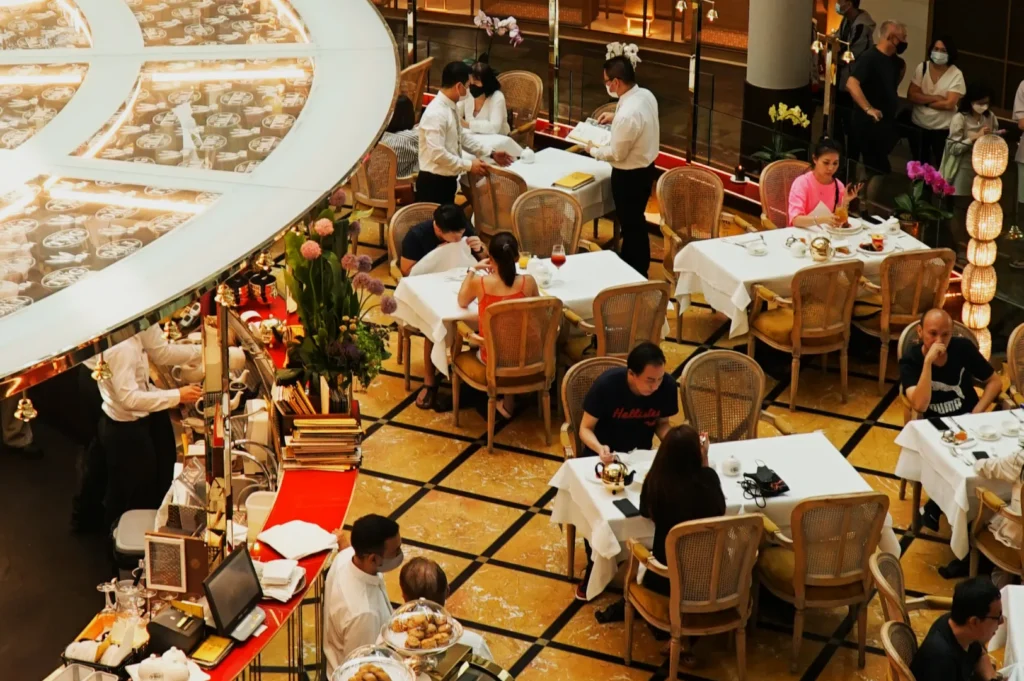
Bringing together a dining destination of this scale did not happen overnight. There were moments that shaped its story, each one folded gently into the next. Here are some of the milestones that stand out most to me:
- The Grand Opening (2010): When the resort opened its doors, the restaurant line-up was stunning. From day one, it was clear Marina Bay Sands was setting a high bar and inviting us along for the ride.
- The Arrival of CUT by Wolfgang Puck (2010): Wolfgang Puck’s first venture into Asia was a quiet turning point. Suddenly, American-style steakhouse dining felt both familiar and dazzlingly new.
- Michelin Star Recognition (2016): When the first Michelin Guide Singapore was launched, the spotlight shone brightly on Marina Bay Sands. Restaurants like Waku Ghin and CUT quickly earned their stars, making “Michelin-star dining” part of the everyday vocabulary for food lovers here.
- The Launch of Epicurean Market (2013): This festival broke down the walls between chef and diner. Suddenly, anyone could meet Marina Bay Sands’ best chefs, taste their creations, and feel part of a much bigger story.
- Signature Restaurant Refresh (2020s): As the years rolled by, Marina Bay Sands kept things fresh. Adding new concepts like Mott 32 and Maison Boulud, the team showed that dining trends are as much about renewal as they are about tradition.
Celebrity Chefs and Their Impact on Singapore’s Culinary Landscape
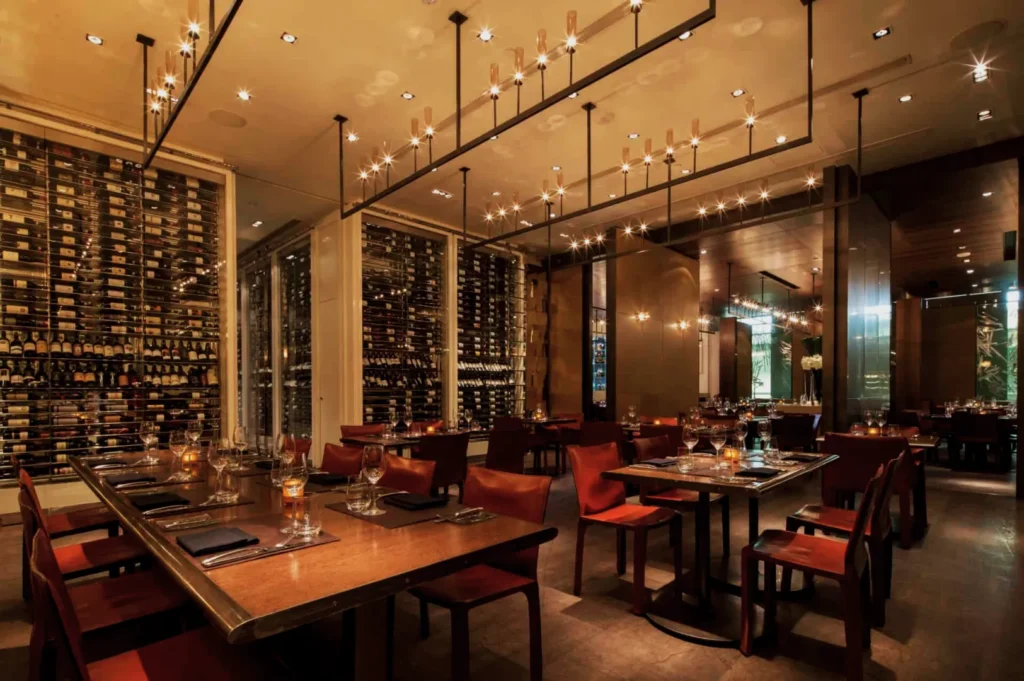
Whenever someone talks about the magic of Marina Bay Sands, it is impossible not to think of the chefs who brought their talent, curiosity, and stories to the kitchens here. From the very start, celebrity chefs were invited to reimagine what dining in Singapore could be.
There’s Wolfgang Puck, who brought a breezy Californian flair to CUT and Spago, creating flavours and moods that felt effortless yet full of intent. Daniel Boulud’s db Bistro & Oyster Bar is where French bistro classics were made comforting and new at once. Gordon Ramsay’s Bread Street Kitchen has its own cheerful energy, pulling you into British European fare that feels right at home in this city. Tetsuya Wakuda’s Waku Ghin wraps you in a world of precise Japanese artistry: small, personal, unforgettable.
What strikes me most is that these chefs did not just drop their names on the door. They invested in people, sharing skills with local cooks, sommeliers, and servers. These quiet handovers of knowledge raised the standards for everyone who stepped through the kitchen doors. It became a place where young talent could watch, learn, and one day, perhaps, lead kitchens of their own.
International buzz followed quickly. Food writers and culinary tourists came just to taste a plate or two at Marina Bay Sands. All at once, it felt like a constellation of stars had settled here, allowing anyone to step into a world of flavor and hospitality.
Continuous Evolution: Staying Ahead of the Culinary Curve
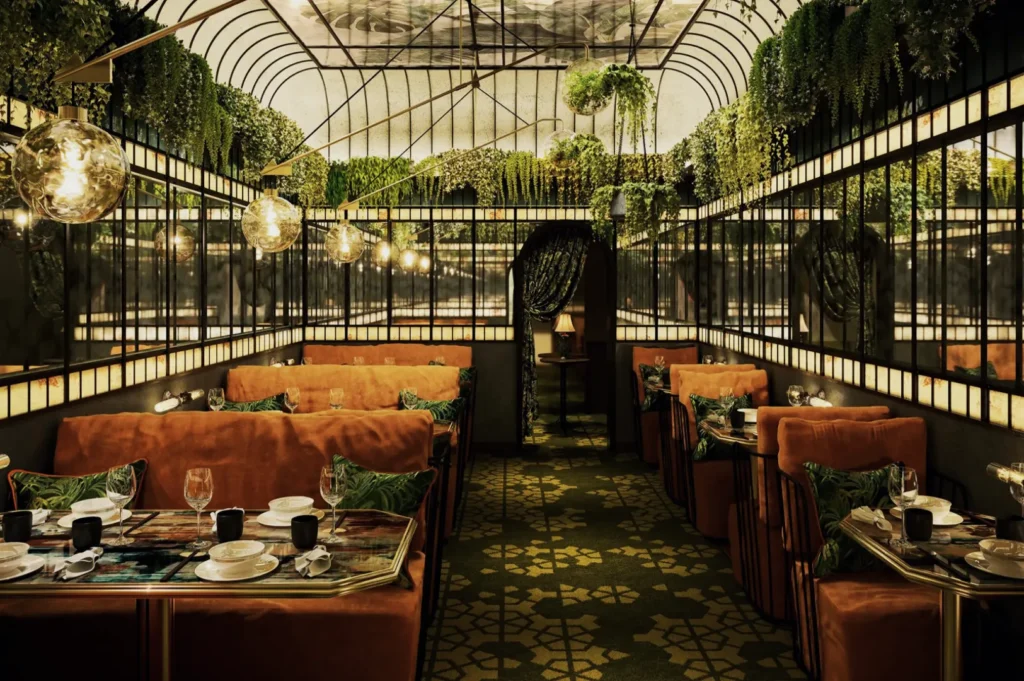
If there is one truth about dining at Marina Bay Sands, it is that change is not a threat; it is a tradition. Trends in food come and go, but the real magic is in how the resort keeps its pulse on what people want and need.
I have seen old favorites retire gracefully, replaced not with flash, but with a gentle excitement for what is next. Mott 32, for example, brought fresh takes on Chinese classics, showing that tradition can always be playfully nudged, and that flavors can be updated for new generations of diners. And it is not just about the food. Each space is carefully shaped, with light, music, and design stitched into the fabric of the meal. In these dining rooms, details matter.
Restaurateurs here are not afraid to invest, refreshing spaces so they feel exciting even for those who have visited many times before. There is always a sense that Marina Bay Sands is both a destination and an ongoing invitation: come back, see what’s changed, find your new favorite corner.
Future Dining Trends to Watch at Marina Bay Sands
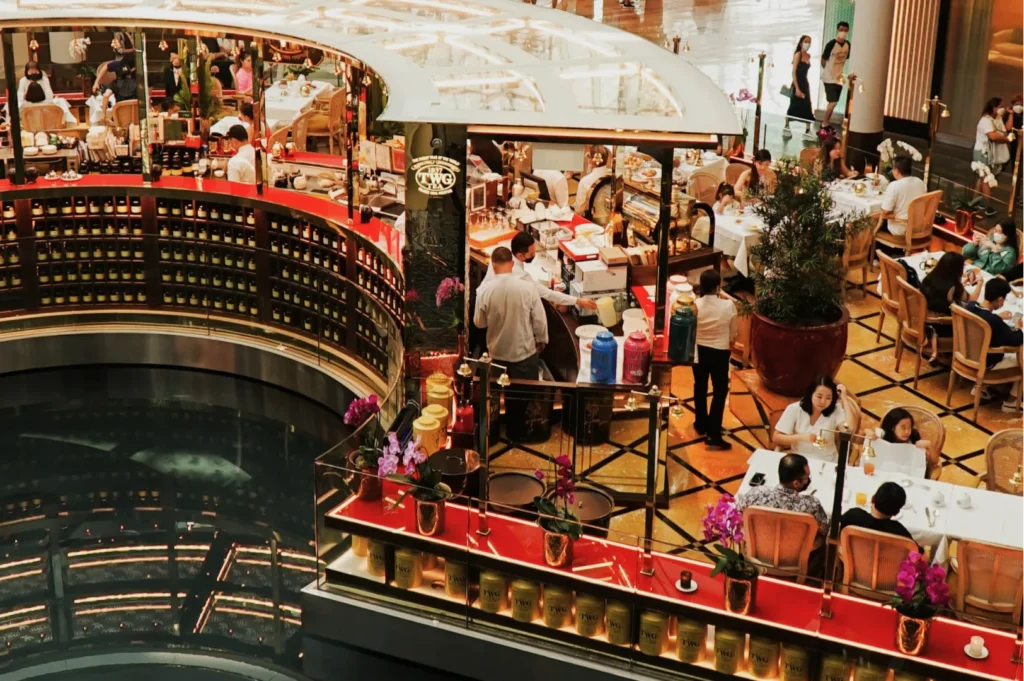
Looking ahead, it feels like Marina Bay Sands is ready to keep shaping what’s next in dining. The future here is likely to be thoughtful, intentional, and quietly ambitious. Here are a few things I think we will see:
- Sustainability in Focus: Environmental awareness is growing among diners. Expect to see a greater emphasis on zero-waste kitchens, closer relationships with local producers, and menus that put sustainable seafood and plant-based dishes centre stage.
- Immersive Experiences: Dining is becoming a multi-sensory event. I imagine more collaborations with digital artists, new forms of storytelling with each course, and meals that are full of surprise with sound, light, and even scent playing a role.
- Plant-Forward Luxury: “Luxury” is evolving. Vegetables will become heroes on the plate, treated with care once reserved for the rarest meats. I am looking forward to seeing how chefs here bring creativity and color into this next era.
- Personalization: Technology is making it possible for every guest to feel uniquely cared for. Imagine walking in and finding your favorite wine waiting, or discovering that a dish can be tailored to your preferences without any fuss.
Conclusion
When I think about Marina Bay Sands, I think of a place that has quietly rewritten what is possible for Singapore’s culinary scene. It is a story of vision, of bringing people together at tables big and small, of staying curious and never settling. Through every menu refresh, every new chef, every shared meal, the resort has turned dining into something memorable and meaningful.
If you love food, or even if you just want to try something a little bit special with friends, there is no better way to understand this history than by stepping inside and letting yourself be surprised. The story of Marina Bay Sands’ culinary scene is still unfolding. Maybe you will find your own chapter within it.