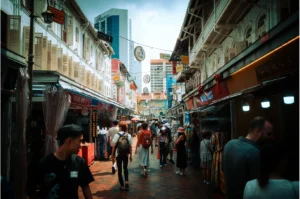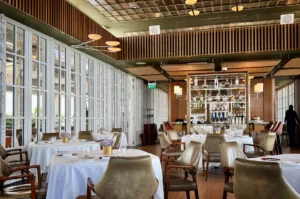
I visited Cloudstreet Singapore on a rainy Friday evening, just after 7pm. By the time I arrived along Amoy Street, the narrow stretch outside the restaurant was already beginning to quiet down. Inside, though, the room felt warm and alive in a softer way.
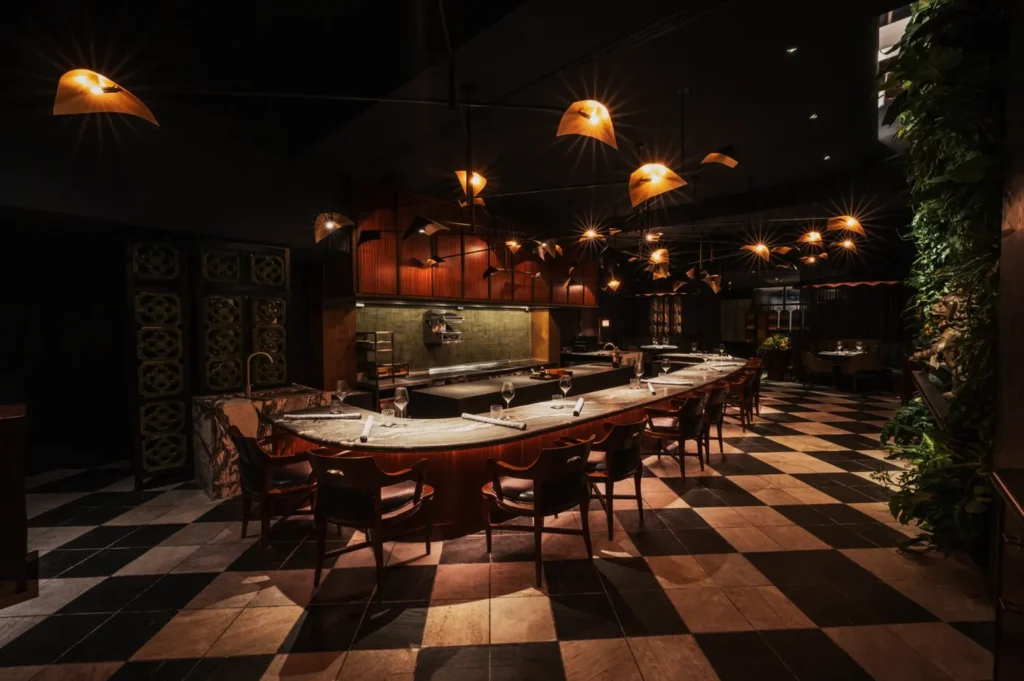
Housed inside a two storey shophouse space, Cloudstreet doesn’t immediately overwhelm you with formality, even though it’s now recognised as a two Michelin starred restaurant located in Singapore’s Chinatown district. The dining room feels modern but personal, featuring a dominant black color scheme that creates a club-like atmosphere enhanced by relatively loud rock music. You notice textures first: wood, soft lighting, the open staircase, and the quiet rhythm between the kitchen and the floor team.
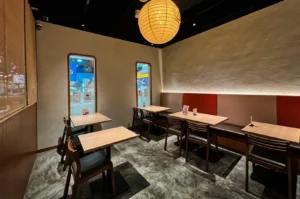
Most diners are seated at a marble counter surrounding the open kitchen, allowing an immersive view of the chefs at work. This setup contributes to the interactive and multi-hour performance that a meal at Cloudstreet is designed to be. Desserts are served separately upstairs in a bright lounge with large windows facing the street, providing a contrasting ambiance to the main dining area.
There’s something restrained about the atmosphere. Nothing feels designed purely for spectacle.
Cloudstreet Singapore and Chef Rishi Naleendra’s Sri Lankan Influences
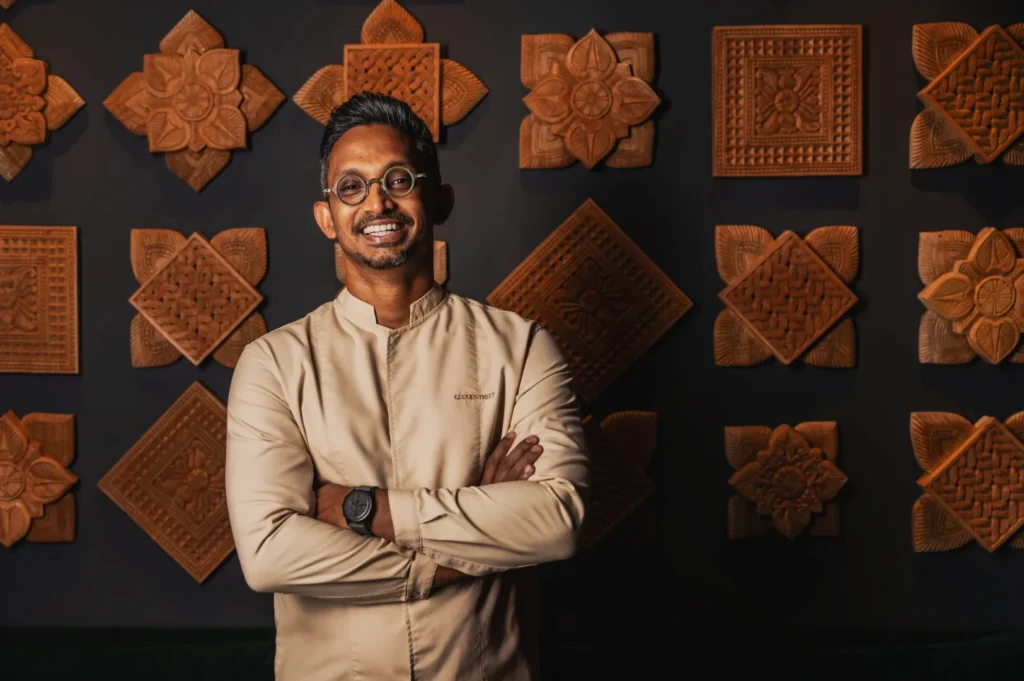
A lot has already been said about chef owner Rishi Naleendra and his approach to contemporary dining, but what struck me most throughout the meal was how emotional the food felt beneath all the technique.
The menu moves through Australia, Sri Lanka, and Southeast Asia naturally, without constantly announcing those influences to you. You taste them instead.
Cloudstreet exclusively serves a tasting menu priced at 388 SGD per person, with optional wine pairings ranging from 268 to 568 SGD. During weekday lunches, a shortened version of the tasting menu is available. This multi-act dining experience is immersive and designed to surprise and delight guests through a variety of courses, including amuse bouches, seafood dishes, and desserts that showcase innovative flavor combinations.
The restaurant’s use of Sri Lankan spices was especially noticeable. Not heavy or aggressive, but woven carefully into sauces, broths, and even desserts. Dishes often feature traditional Sri Lankan ingredients such as coconut broth and tamarind, highlighting the chef’s heritage. One innovative example is the Sri Lankan curry with blue marron, which blends these flavors in a contemporary style.
The core concept of Cloudstreet reflects Chef Rishi Naleendra’s life journey and is inspired by Tim Winton’s novel ‘Cloudstreet’. The chef blends Sri Lankan and Australian culinary influences to showcase a balance of flavors and high-quality ingredients.
Coconut Milk, Coconut Broth, and Some of the Most Memorable Dishes
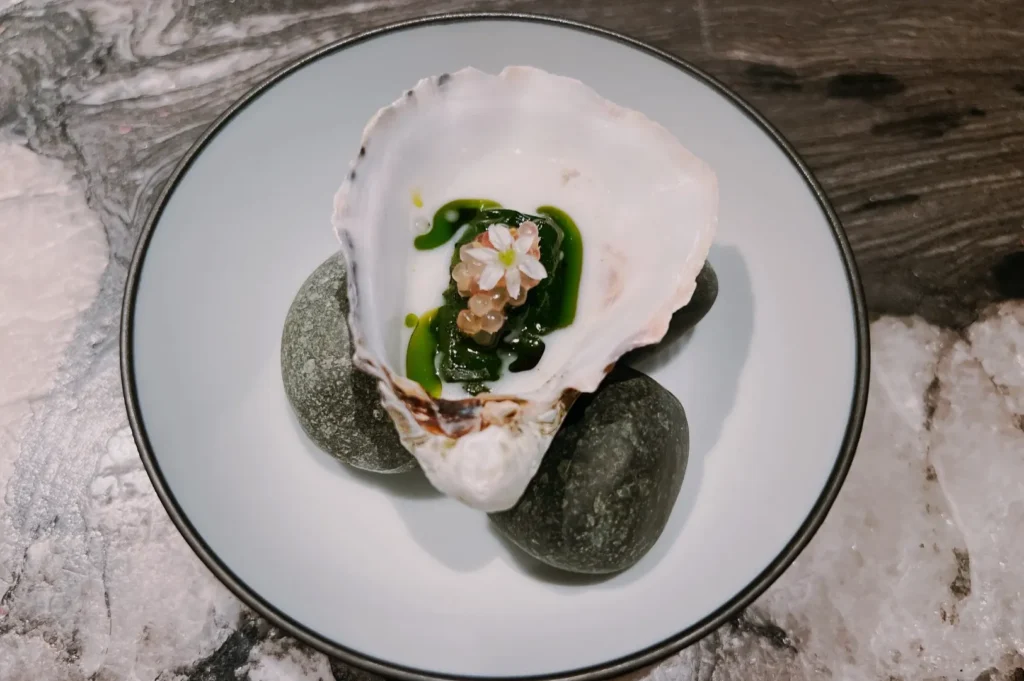
One of the most comforting dishes of the night involved a warm coconut broth poured tableside over seafood and herbs. The richness of the coconut milk was balanced carefully with citrus and spice, creating something that felt deeply familiar but difficult to fully describe.
Later in the meal, a piece of murray cod arrived with fermented elements and a deeply savoury sauce built around fermented bell pepper. The fish itself was beautifully cooked. Soft, flaky, and delicate against the stronger surrounding flavours.
Another standout was a course paired with Sri Lankan stout, where the bitterness of the drink unexpectedly brought out sweetness within the dish itself.
The restaurant is also known for its extensive wine list, featuring over 350 labels as well as creative non-alcoholic pairings. The wine pairings complement the tasting menu perfectly, enhancing the dining experience without overwhelming the palate.
The restaurant also handles bread exceptionally well. Their warm bread, served with deeply rich French butter, was simple but difficult to stop eating. It felt like one of those details that could easily be overlooked in a tasting menu, yet somehow became one of the things I remembered most.
Vegemite Ice Cream, Hazelnut Chantilly Cream, and Desserts That Surprise You
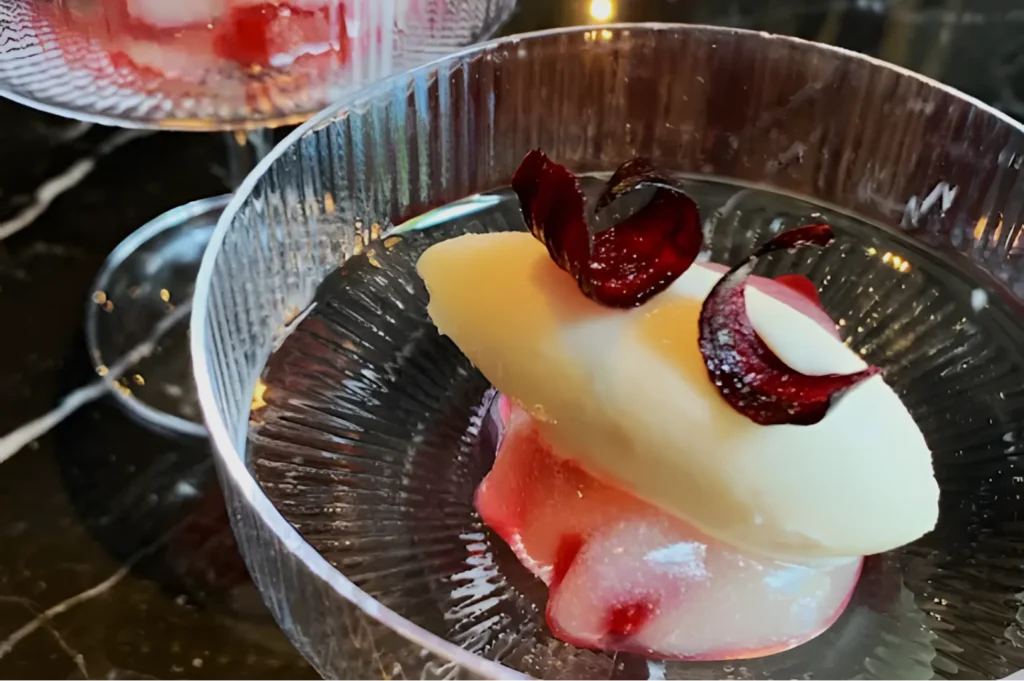
Desserts at Cloudstreet don’t follow the predictable path most diners expect.
The now well-known Vegemite ice cream appeared near the end of the meal, paired with softer sweet elements that made the savoury intensity feel surprisingly balanced. It sounds strange on paper, but somehow worked better than I expected.
Another dessert layered hazelnut chantilly cream, citrus, and light textures together with remarkable restraint. There was also a delicate bergamot meringue that dissolved almost instantly, leaving behind floral bitterness and sweetness at the same time.
What I appreciated most was how the desserts avoided becoming overwhelmingly sugary. Even the sweeter courses still carried spice, salt, or acidity underneath.
Service, Hospitality, and the Overall Dining Experience
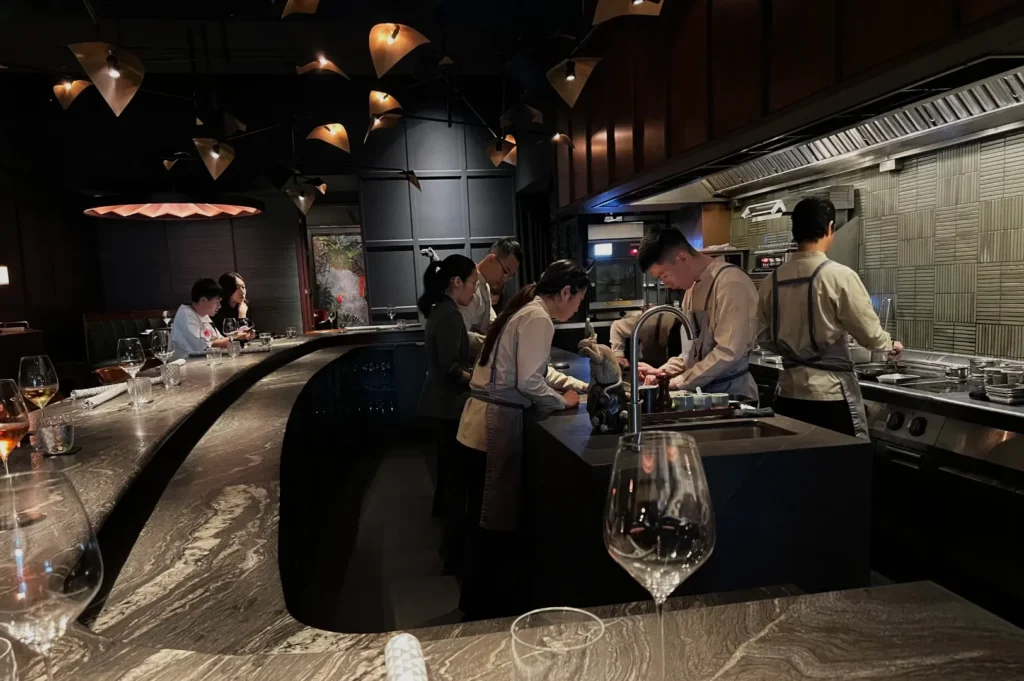
The service at Cloudstreet Singapore felt polished without becoming stiff.
The team moved through the room naturally, explaining dishes clearly but never too mechanically. There was warmth behind the hospitality, especially when introducing courses connected to chef Rishi Naleendra’s personal history or Sri Lankan background.
At one point, a server noticed I’d slowed down slightly midway through the meal and quietly adjusted the pacing between courses without needing to be asked. Small things like that change how a restaurant feels.
The tasting menu itself is long, but surprisingly balanced. Despite the richness of certain dishes, the meal never became exhausting.
The final amuse bouche and petit fours arrived slowly toward the end of the night, alongside tea and softer conversation across the dining room. By then, almost three hours had passed without me really noticing.
Is Cloudstreet One of Singapore’s Best Restaurants?
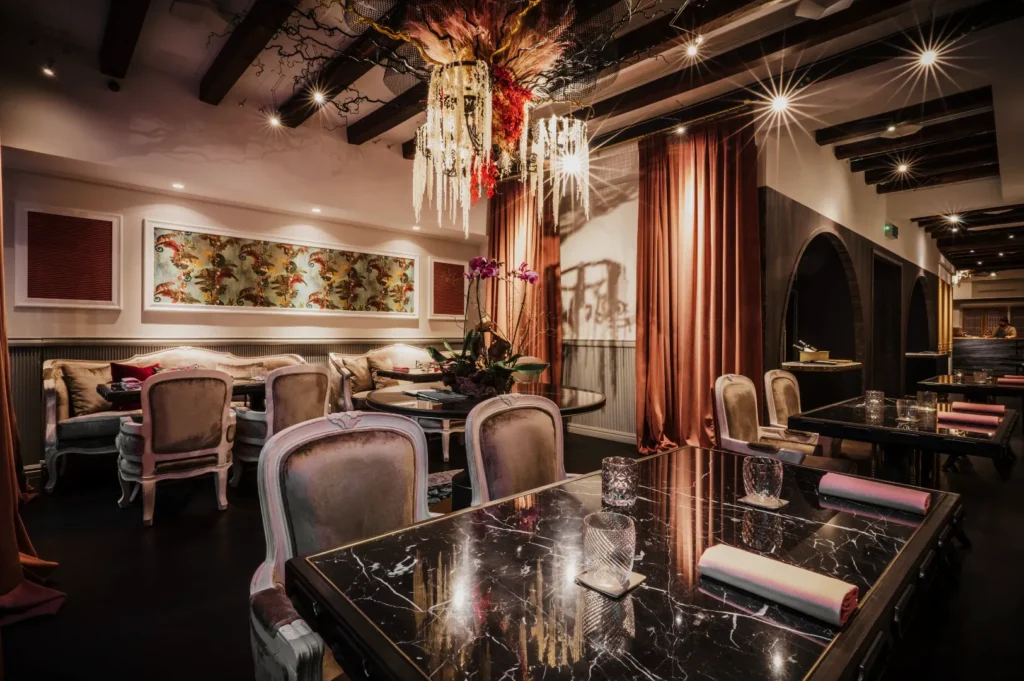
I can understand why Cloudstreet is now regularly mentioned among the best restaurants in Singapore. But what makes it memorable isn’t only the technical execution or the Michelin stars. It’s the emotional pacing of the meal. The way flavours unfold slowly. The balance between precision and comfort.
Some dishes will naturally resonate more than others depending on the person. A few courses leaned slightly rich for my palate, particularly around the middle of the tasting menu. But even then, there was always another dish waiting to reset the rhythm.
Cloudstreet feels less interested in impressing diners immediately and more interested in staying in your memory afterward.
And honestly, that might matter more.
For those interested in exploring more exceptional dining experiences in the region, you might also enjoy this article on the Best Asian fusion restaurants in Singapore.