The idea of eating raw fish can feel like a big step. I know this because for a long time, it felt that way to me, too. You see it on menus, looking beautiful and delicate, and a part of you is curious. But another part might be asking, “What will it feel like? Is it safe? What if I do not like it?” These are all completely normal thoughts.
The world of raw fish dishes is vast and varied, and approaching it does not have to be an all-or-nothing leap. Think of it more like dipping a toe in the water. It is about finding a comfortable starting point and allowing your curiosity to guide you without any pressure. Let us walk through it together, nice and slow.
Finding a Gentle Starting Point
One of the biggest hurdles is often the thought of the texture. If you have never tried it, your mind might imagine something strange or unpleasant. A great way to begin is with dishes where the raw fish is not the only star of the show.
Consider ceviche, a dish popular in Latin America that you can find in many Singapore restaurants. Here, the raw fish is “cooked” in the acid of citrus juices, usually lime or lemon. This firms up the texture of the fish, making it feel less “raw” and more flaky. It is often mixed with things like onions, chili, and coriander, so the overall experience is bright, fresh, and zesty rather than purely focused on the fish itself.
Another approachable dish is a poke bowl. Originally from Hawaii, these bowls often feature small cubes of raw tuna or salmon. The fish is usually marinated in a flavourful sauce, like a shoyu or sesame dressing, and served over rice with a variety of toppings like avocado, edamame, and crispy shallots. The mix of textures and flavours means the raw fish is part of a delicious whole, which can make it feel much less intimidating.
Understanding the Basics: Sashimi and Carpaccio
When you feel a little more comfortable, you might want to try a dish where the fish is more central. This is where you will often find sashimi or carpaccio.
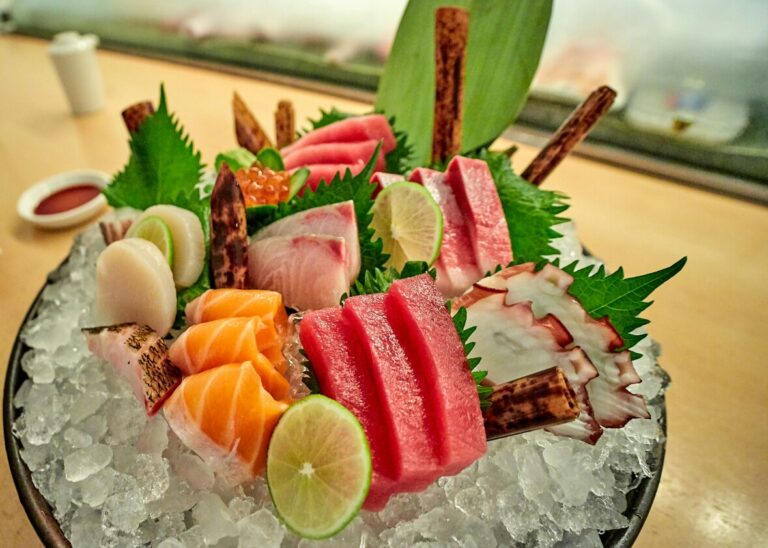
Sashimi is a Japanese preparation of thinly sliced, high-quality raw fish. It is served simply, often with just a little soy sauce, wasabi, and pickled ginger. The key to sashimi is the quality of the fish. When you see sashimi on a menu at a reputable restaurant, you can feel confident that it has been selected and handled with incredible care. The focus on freshness is paramount. The flavour is clean and subtle, and the texture is often surprisingly firm and buttery, not slimy. Common choices like salmon or tuna are wonderfully smooth and mild.
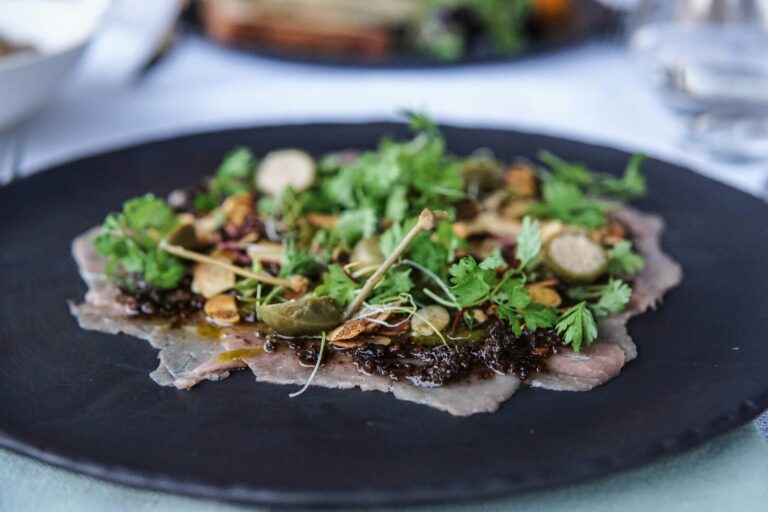
Similarly, carpaccio features very thin slices of raw fish, often dressed with olive oil, lemon juice, and capers. The slices are almost translucent, so you are getting just a whisper of the fish’s flavour and texture. It is a light, elegant dish that feels very delicate.
If you are trying either for the first time, you do not need to order a large platter. Many places offer small portions of just a few slices. It is perfectly fine to order one small plate to share with a friend. This takes all the pressure off. You can have a single bite and see how you feel.
A Note on Freshness and Safety
One of the most common worries is about safety, and it is a very valid one. Reputable restaurants that serve raw fish adhere to extremely strict food safety standards. The fish they use is often “sushi-grade” or “sashimi-grade,” which means it is intended to be eaten raw and has been handled in a way that minimises any risks.
Chefs are highly trained to recognise the quality and freshness of their fish. They look for clear eyes, firm flesh, and a fresh scent of the sea, not a “fishy” odour. The fish is stored at precise temperatures to keep it safe. So, when you order a raw dish at a trusted establishment, you are benefiting from a huge amount of expertise and care that happens behind the scenes. Your role is simply to enjoy the final product.
Taking It at Your Own Pace
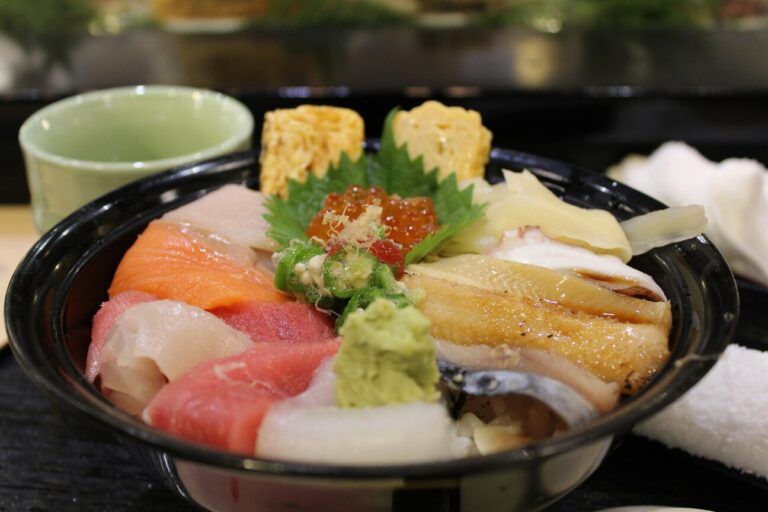
When you are ready to order, remember that you are in control. You can always start with just one small dish. You could even order it alongside a cooked dish that you know you will enjoy. That way, there is no pressure for this one new thing to be your entire meal.
Watch how others eat it, or simply do what feels natural. For sashimi, a little dip in soy sauce is lovely. For ceviche, a fork is all you need. There are no secret rules you are supposed to know. The goal is not to perform, but to taste.
If you try it and decide it is not for you, that is perfectly okay. Our palates are all different, and enjoying food is about honouring your own preferences. There is no prize for liking something, and no shame in not.
If you’re looking for inspiration to explore new flavors and tasting experiences, check out this article on Omakase in Singapore at Sushi Masa by Ki-Setsu to dive deeper into the art of enjoying food.
Curiosity Is the Only Ingredient You Need
Exploring new foods should feel like a gentle adventure, not a test. It is about broadening your horizons one small taste at a time. The world of raw fish is a beautiful one, filled with delicate flavours and textures, but it will always be there to explore whenever you feel ready.
So, the next time you see a raw fish dish on a menu and feel that little spark of curiosity, perhaps you can greet it with a little less hesitation. You do not need to be an expert or a seasoned foodie. You just need to be open to a small, new experience, taken at your own comfortable pace. The first step is often the hardest, but it can also be the most rewarding.