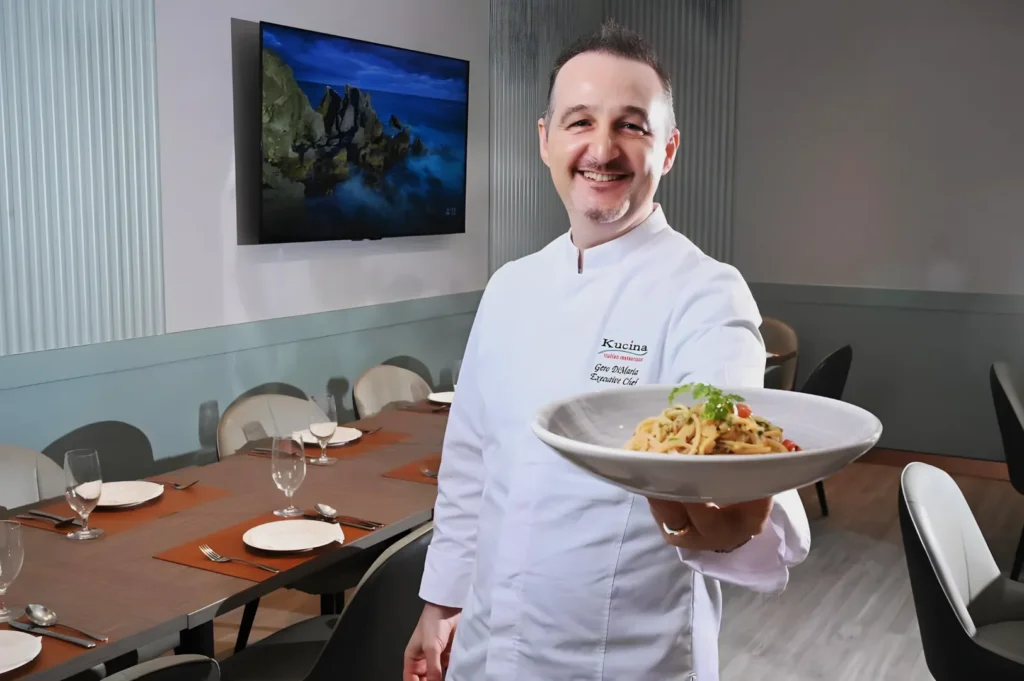
Italian food often depends on a quiet kind of confidence. A few ingredients, handled correctly, can carry a dish further than excess ever could. For Chef Gero Di Maria, founder of Kucina Italian in Singapore, that idea sits at the center of his cooking. His work is not about reinventing Italian food for novelty. It is about asking how far tradition can travel when it is treated with care.
Born into an Italian family in London, Chef Gero entered kitchens early, starting as a dishwasher before moving through the ranks. When he came to Singapore in the 1990s, he found a city with a strong dining culture, but not many places where Muslim diners could experience the kind of Italian food in Singapore with the same sense of authenticity he knew from home. After becoming Muslim in 2001, that gap became personal. Kucina Italian, which he later co-founded in 2016, grew from that tension between memory, faith, and craft.
Authenticity Without Shortcuts
The challenge of halal Italian cooking is often misunderstood. It is not simply a matter of removing pork or alcohol from a menu. For a chef concerned with authenticity, the harder question is technical. What gives a dish its structure? What creates its flavor? Which parts can change, and which parts must remain intact?
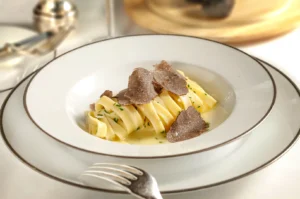
Chef Gero’s approach begins with method. Italian cooking, at its core, relies on timing, restraint, and the natural strength of ingredients. Pasta must be cooked with attention. Sauces need balance rather than weight. A dish such as aglio olio depends on heat control, garlic, olive oil, and pasta water working together at the right moment. If one step is rushed, the simplicity collapses.
This is where his halal adaptation becomes more than substitution. Dishes such as carbonara or cannoli demand texture, richness, and familiarity, even when traditional ingredients need to be replaced or reworked. That requires testing, adjustment, and a clear understanding of what the dish is meant to feel like, not just what it is meant to contain.
The Logic of Comfort Food
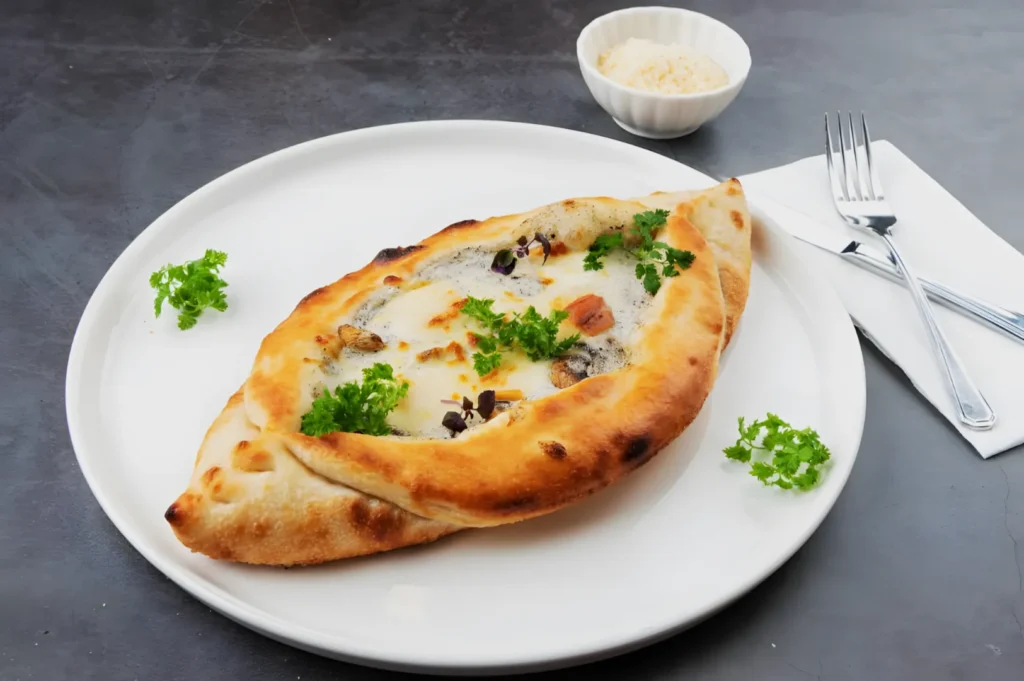
Chef Gero often returns to the idea of comfort food and childhood memory. This gives his cooking a useful anchor. Nostalgia can become vague in the wrong hands, but in his case, it acts as a filter. A dish has to connect back to the feeling of family cooking, the kind of food that gathers people at one table.
That matters because **Kucina is built on inclusivity, not compromise.** The goal is not to create a separate version of Italian cuisine for Muslim diners. It is to make Italian food available without removing its identity. This distinction shapes the restaurant’s direction. The food still leans on Italian technique, regional character, and the belief that simple food can carry emotional weight when prepared with discipline.
Teaching Through the Plate
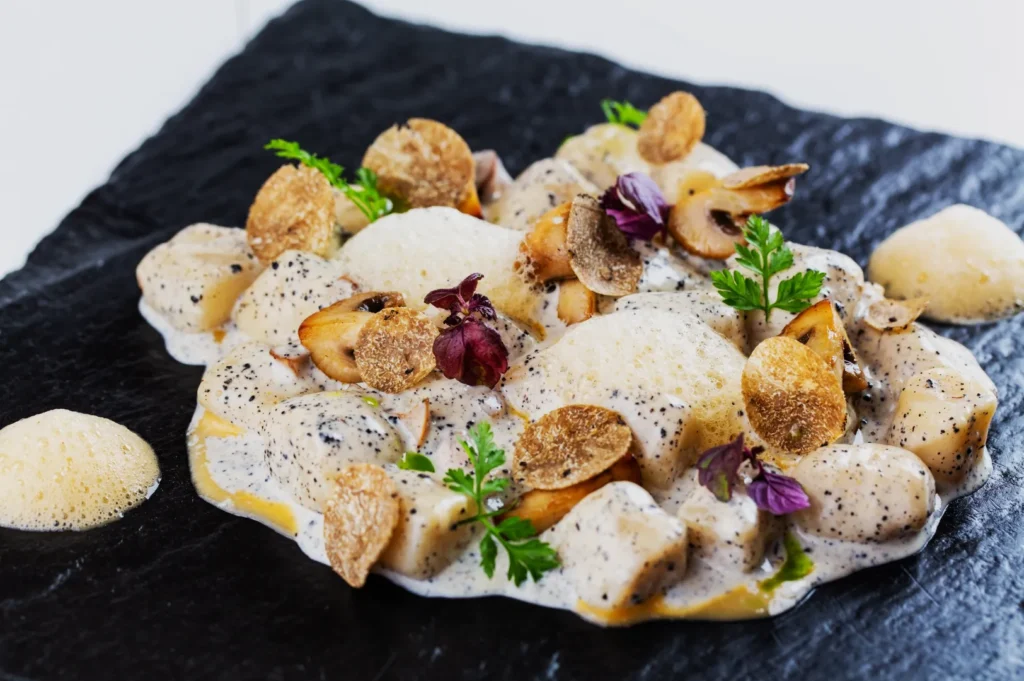
Chef Gero’s role also extends beyond the kitchen. In Singapore, where many diners know Italian food through localized or heavily adapted versions, he has had to explain what “true Italian” means in practical terms. That education happens through the menu, through the open kitchen, and increasingly through his online presence.
His cooking videos, especially those focused on classic pasta, show how much of Italian food depends on small decisions. The amount of oil, the heat of the pan, the timing of the pasta, the way sauce clings rather than pools. These details may seem minor, but they define the difference between imitation and understanding.
For those craving authentic Italian flavors beyond the home kitchen, discover where to find the best pasta in Singapore here.
Tradition Made More Open
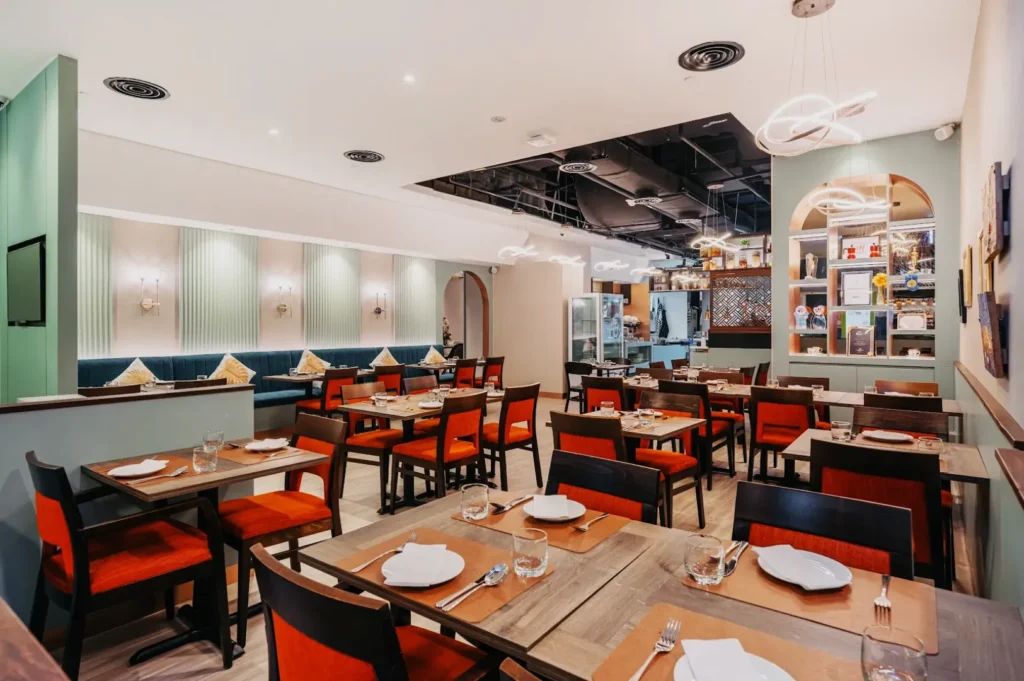
Chef Gero Di Maria’s work at Kucina Italian shows that culinary tradition does not have to become narrower as it becomes more faithful. In his hands, halal Italian cooking is not a dilution of the original. It is a disciplined adaptation shaped by technique, memory, and respect.
By preserving the methods that make Italian food recognizable while opening the table to more diners, he builds a bridge between heritage and access. That is where his cooking finds its clearest purpose, in showing that authenticity and inclusivity can sit together, if the craft is strong enough to hold both.