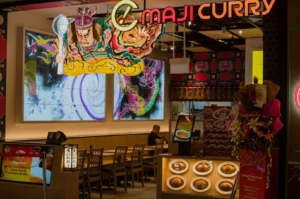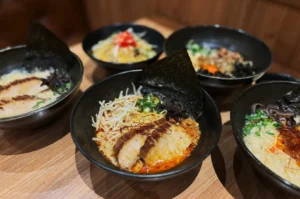
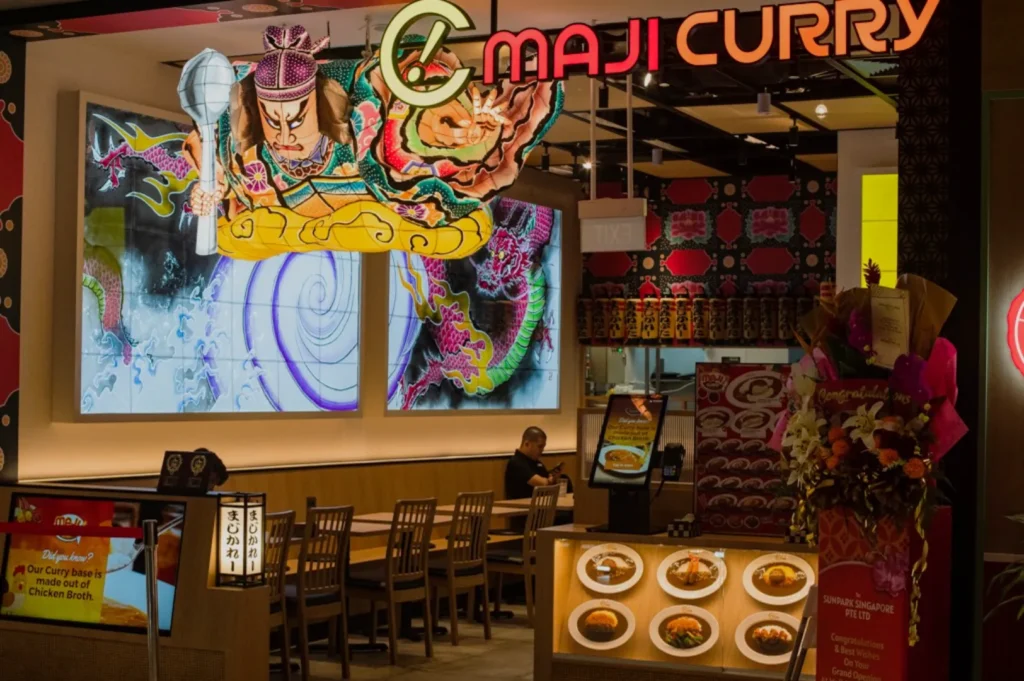
Japanese curry is often treated as easy comfort food. It is warm, familiar, and built for repetition. You eat it over rice, with a cutlet, an omelette, or a simple topping, and it feels almost casual by design. But for Ken Takagi, founder of Maji Curry, that simplicity hides a much deeper question: what makes curry feel complete?
If you are exploring more places like Maji Curry, here is a guide to top spots for the best Japanese curry in Singapore you can’t miss.
His answer did not come quickly. Takagi’s relationship with curry began in childhood, long before Maji Curry became a restaurant concept. That early affection gave him the emotional starting point. But emotion alone was not enough. To build the curry he had in mind, he spent years studying how different cultures approach spice, aroma, texture, and heat.
A Childhood Flavor Made Technical
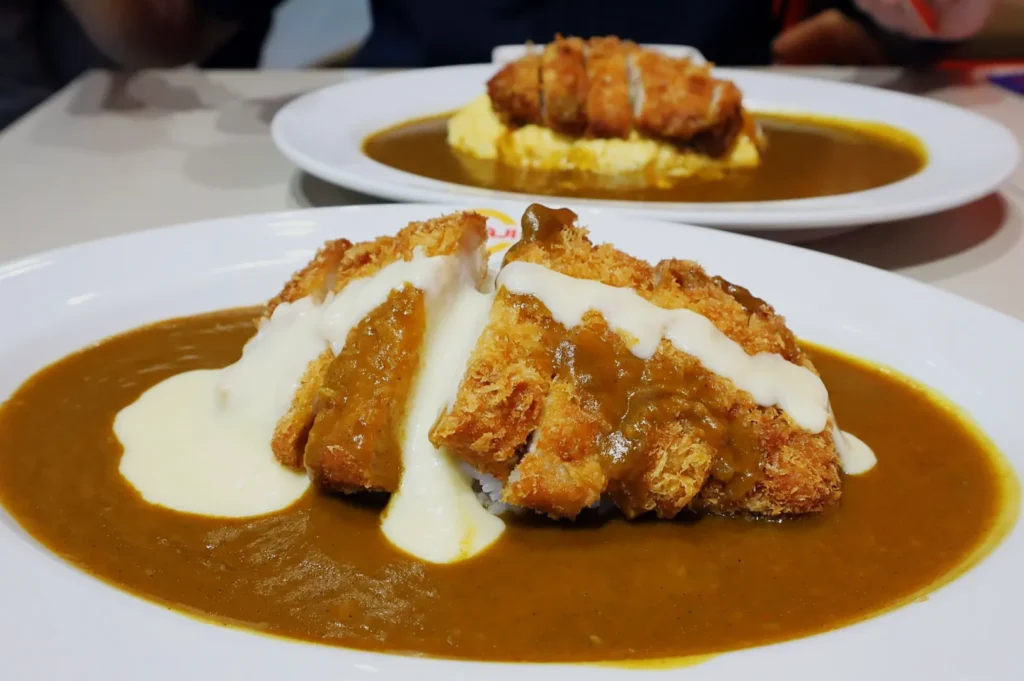
Curry has a unique place in Japanese food culture. It is not rare or intimidating. It belongs to school lunches, home kitchens, train stations, and quick meals after work. This accessibility is part of its strength. Yet, because it is so familiar, it is easy to overlook how much structure sits beneath the surface.
Takagi approached curry differently. He did not see it as something fixed. He saw it as a dish that could hold memory, technique, and global influence at the same time. His childhood love of curry gave him the instinct, but his travels gave him a wider vocabulary.
As he explored curry traditions around the world, he encountered different ways of building flavor. Some curries lead with heat. Others rely on toasted spices, sweetness, acidity, fat, or long simmering. Each culture treats spice differently. For Takagi, the task was not to copy these traditions, but to understand what they could teach him.
The Long Search for Balance

The development of Maji Curry took 10 years. That length of time matters because curry is not improved by adding more of everything. More spice does not always mean more depth. More richness can flatten a dish. More heat can distract from aroma. A strong curry depends on balance.
This is where the work becomes technical. A curry sauce must carry body without becoming heavy. It must have sweetness without turning dull. It must deliver spice without losing comfort. In Japanese curry, texture is just as important as flavor. The sauce needs to cling to rice, coat the topping, and still remain smooth enough to feel generous.
Takagi’s process was built around refinement. He sought advice from experienced chefs and continued adjusting the curry until the structure felt right. The final result, Maji Curry, takes its name from the Japanese word for “serious.” That choice feels appropriate. It signals a different way of looking at a dish many people consider ordinary.
Global Spice, Japanese Foundation
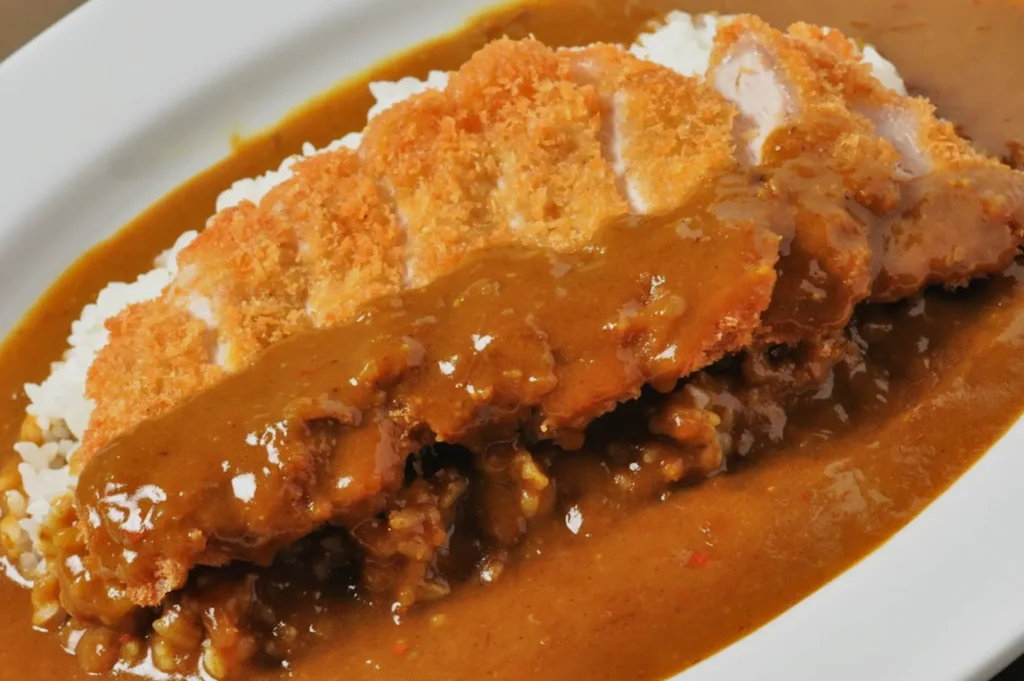
What makes Maji Curry interesting is the tension between global spice influence and traditional Japanese curry. Japanese curry is usually milder, thicker, and more rounded than many other curry styles. It often favors comfort over sharpness. Takagi did not reject that identity. Instead, he worked within it.
The global influence comes through in the way spices create layers. Rather than treating curry as a single flavor, Maji Curry builds a sequence: aroma first, then sweetness, then savory depth, then heat. This layered construction gives the dish movement. It keeps each bite from becoming repetitive.
At the same time, the curry remains recognizably Japanese. It is still meant to be eaten with rice. It still welcomes toppings. It still carries the familiar warmth that makes Japanese curry so enduring. The innovation is not loud. It sits in the details.
Comfort Food With Discipline
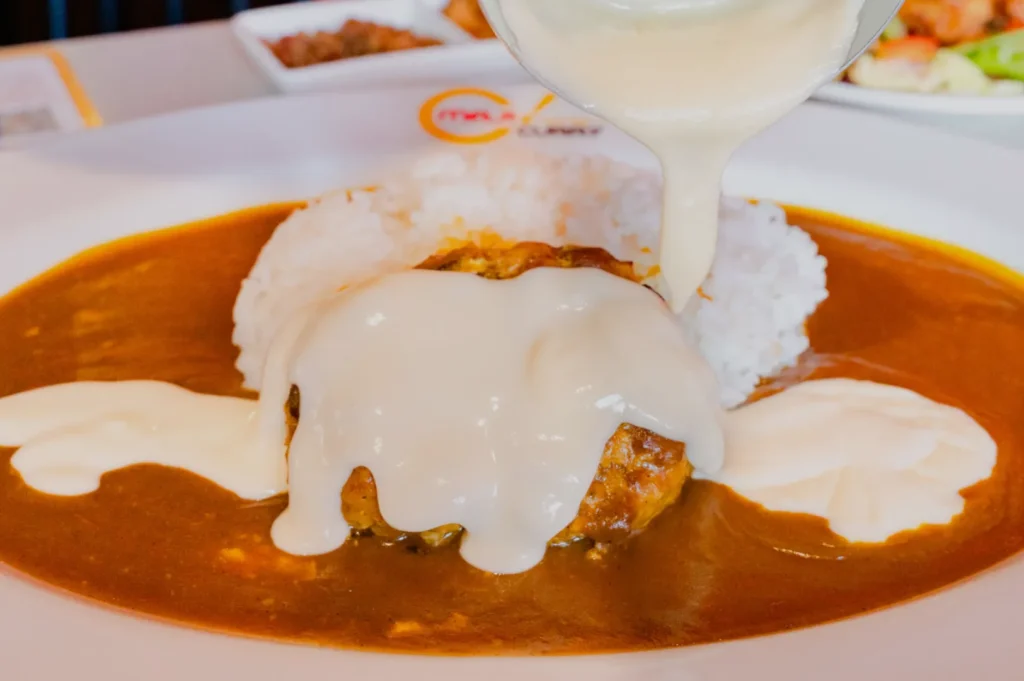
Takagi’s work reminds us that comfort food does not have to be simple in its making. In fact, some of the most familiar dishes require the most discipline because diners know exactly how they should feel. If the curry is too thin, it lacks comfort. If it is too sweet, it loses depth. If the spice is too aggressive, it stops being Japanese curry. If it is too mild, it loses character.
That narrow space is where Maji Curry operates. It takes a dish associated with ease and reveals the precision behind it. The result is not curry made complicated for the sake of it. It is curry treated with patience.
The Seriousness of a Familiar Dish
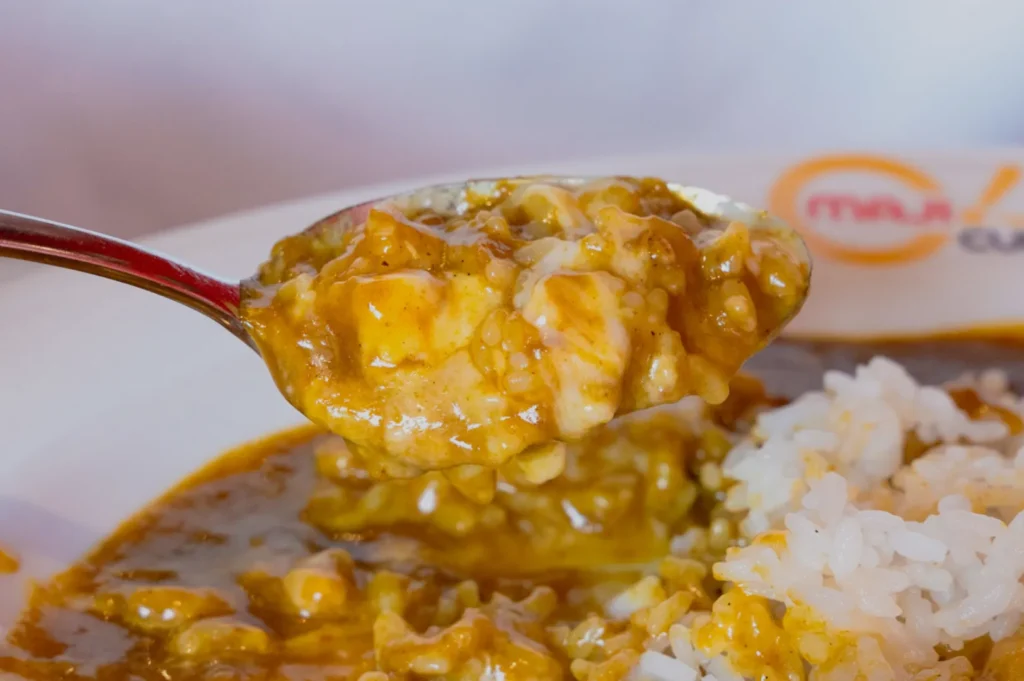
Ken Takagi’s story is built around persistence. A childhood favorite became a global study. A casual meal became a 10-year pursuit. A familiar sauce became a technical exercise in balance, spice, and restraint.
That is the quiet lesson behind Maji Curry. When a chef takes comfort food seriously, the goal is not to make it less comforting. The goal is to understand why it comforts us in the first place, then protect that feeling with better technique. Takagi’s work shows that even the most familiar dish can still be studied, refined, and made new without losing its soul.