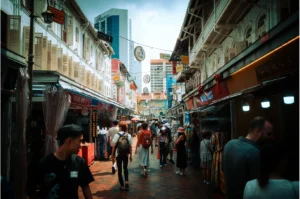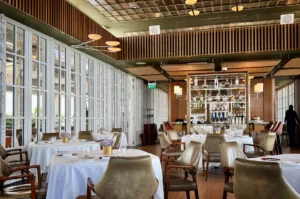
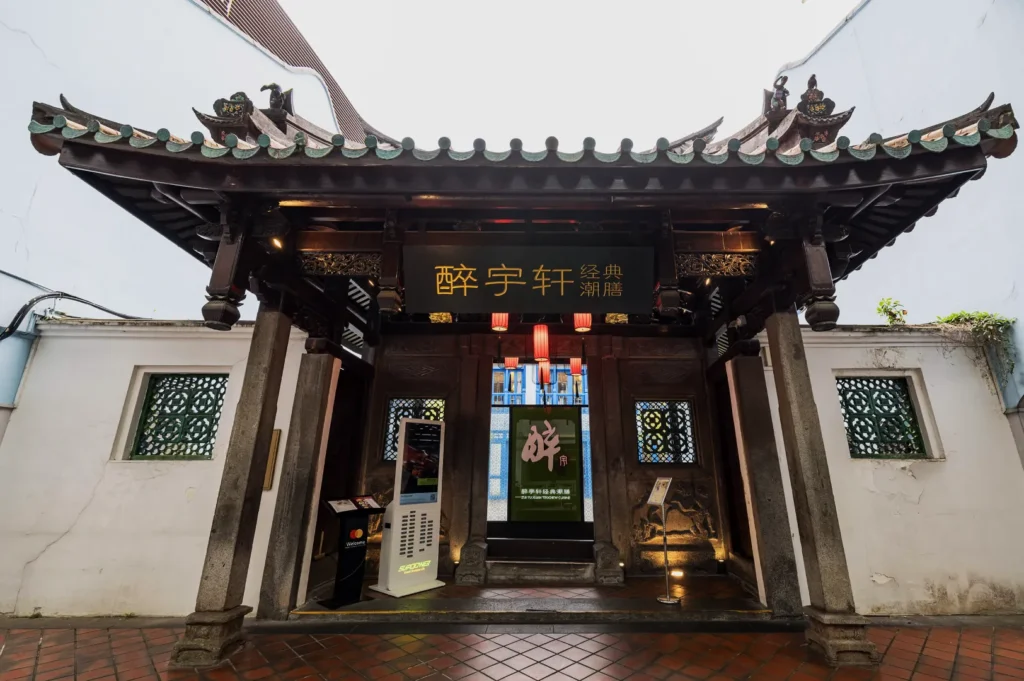
There is a distinct shift in the air when you turn off the busy thoroughfare of the central business district and step into the paved courtyard of Far East Square. The modern glass and steel towers recede, replaced by the low, sweeping rooflines of a heritage precinct. Here, housed within a restored former temple building, sits Zui Yu Xuan Teochew Cuisine. It is a space that feels deliberately set apart from the rush of the city. Walking through its heavy wooden doors, the ambient hum of traffic is instantly muted. You are met instead with the soft, ambient glow of warm lighting and the quiet, measured rhythm of a restaurant deeply rooted in tradition.
The transition from the street to the dining table is a slow, grounding process. There is no frantic energy in the greeting. The staff move with quiet, practiced efficiency, guiding diners through rooms adorned with intricate wood carvings and subtle, traditional motifs. It is an environment that asks you to slow down and pay attention.
The Architecture of Restraint
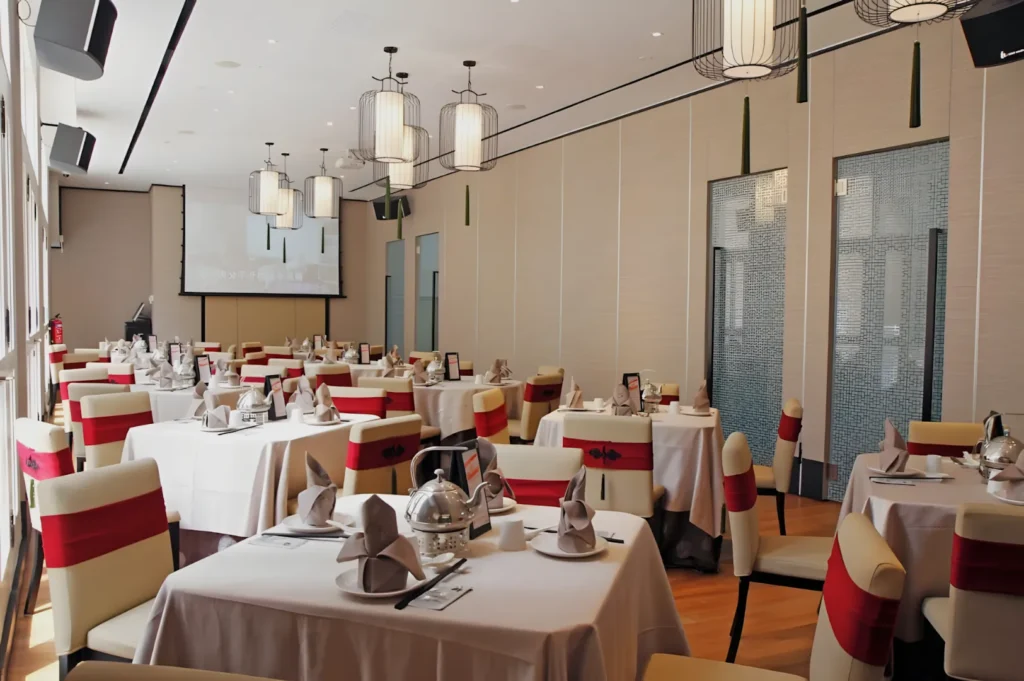
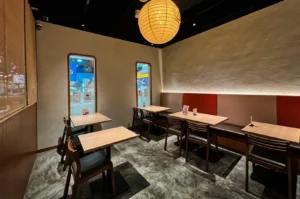
The dining room at Zui Yu Xuan does not rely on loud design choices or modern minimalism to make its point. It embraces its historical context with a calm assurance. The walls hold the quiet weight of the past, while the tables are set with crisp, white linens and heavy porcelain. The acoustics of the room soften the conversations of other diners into a gentle murmur. You can hear the soft clink of a teapot being set down, the rustle of a menu being turned, and the distant, muffled sounds of the kitchen at work.
This sense of restraint is a perfect mirror for Teochew cuisine itself. It is a culinary tradition that does not mask its ingredients with heavy sauces or overwhelming spices. Instead, it relies on the absolute freshness of the produce and the precision of the technique. The food here demands a quiet, focused appreciation.
A Surprising Note of Modernity
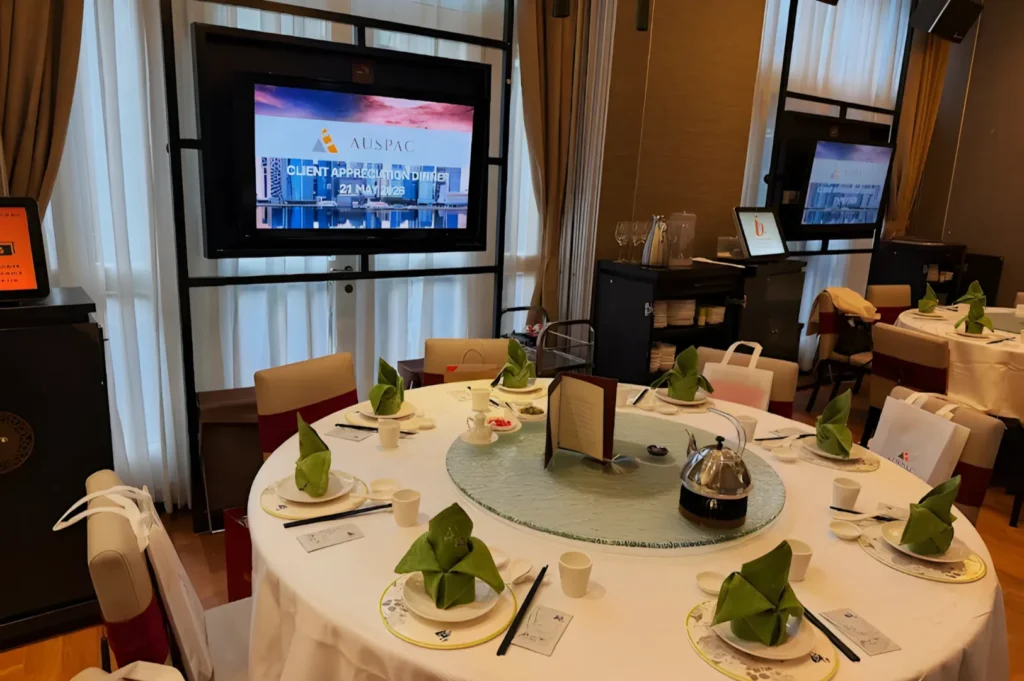
Amidst the serene ambiance, the establishment also surprises with its lively KTV rooms tucked away in a quieter corner. These private karaoke spaces offer a vibrant contrast to the calm dining area, providing an outlet for guests to belt out their favorite tunes with friends or family. Equipped with a wide selection of songs and high-quality sound systems, the KTV rooms make for an entertaining escape, blending cultural tradition with modern leisure.
The Rhythm of the Meal
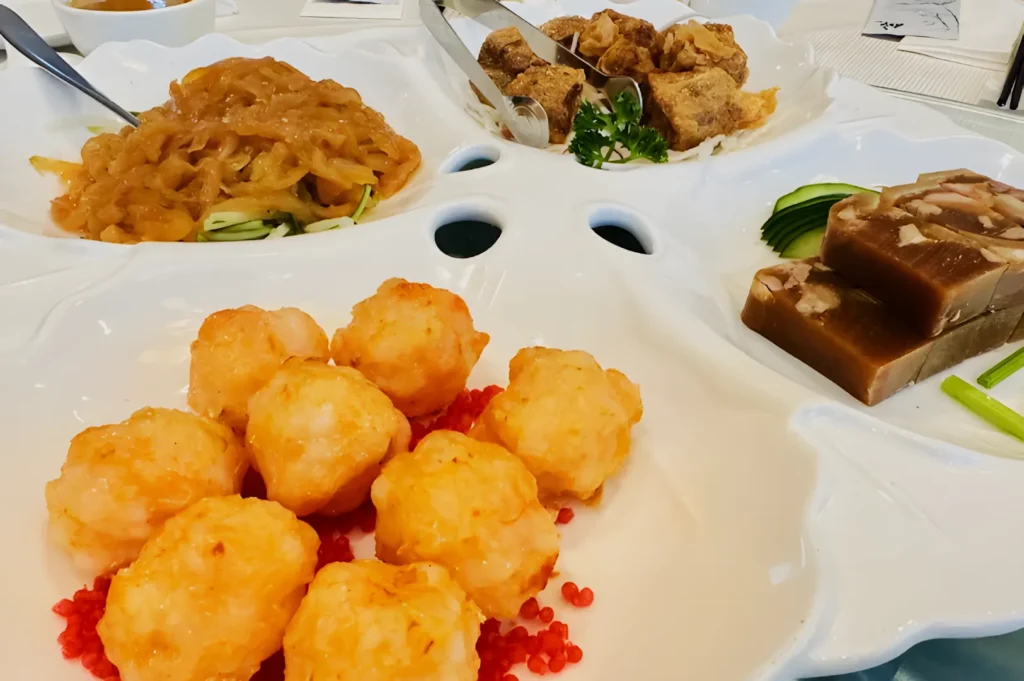
Dinner unfolds not as a rushed sequence of plates, but as a carefully paced progression. The service is attentive but never intrusive. Dishes arrive when they are meant to, allowing the table to settle into a comfortable cadence.
The Clarity of the Cold Crab
The meal often begins with the iconic Teochew Cold Crab. It arrives at the table completely unadorned, a testament to the kitchen’s confidence in its sourcing. The shell is cold to the touch, carrying a faint, clean scent of the ocean. Inside, the meat is dense and naturally sweet, contrasting with the rich, bright orange roe. There is a specific kind of focus required to eat crab. It is a slow, deliberate process that forces conversation to pause. You work through the shell, extracting the tender meat, dipping it briefly into a dark, tangy vinegar that cuts through the richness. It is a dish that grounds you entirely in the present moment.
The Gentle Weight of the Braised Duck
Following the bright, cold notes of the seafood, the signature braised duck shifts the tone of the meal. The meat is sliced thinly and arranged in a neat, overlapping row, resting in a shallow pool of dark, aromatic sauce. The scent of star anise, cinnamon, and soy rises with the steam. The texture of the duck is yielding, having absorbed the complex, savoury notes of the master broth it was simmered in. Beneath the meat, a bed of soft tofu acts as a sponge, taking on the deep flavours of the braise. It is a comforting, familiar profile. It does not surprise the palate, but rather reassures it.
The Subtle Details of Service
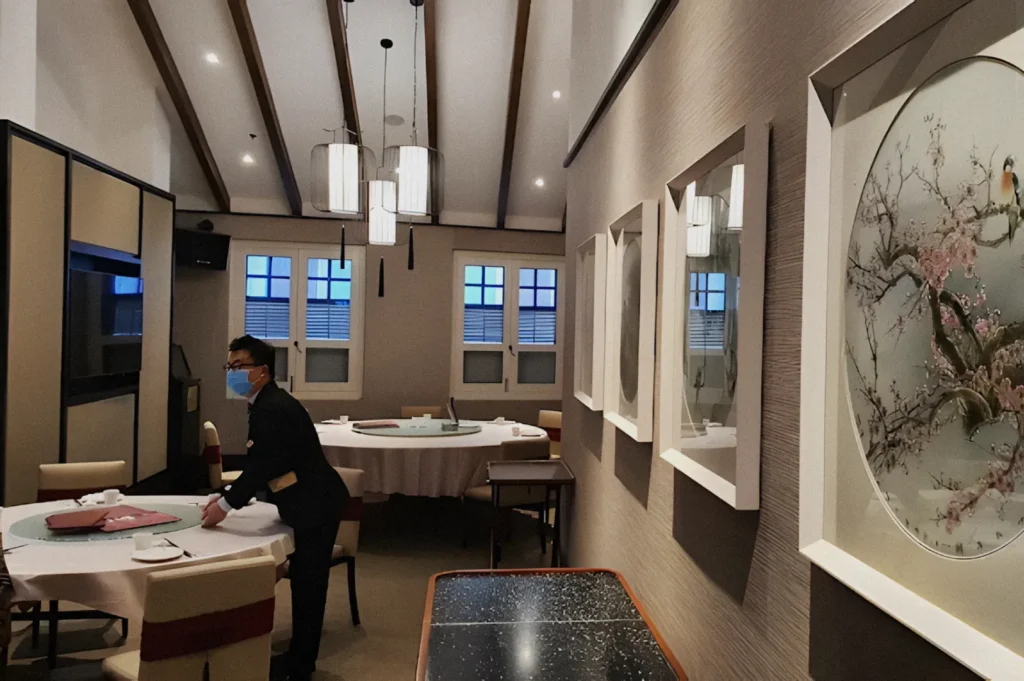
As the evening progresses, the small details of the dining experience become more apparent. Teacups are refilled with a steady, almost invisible grace. Plates are cleared without a sound. The pacing ensures that you never feel rushed, yet the table never sits empty for too long.
The lighting in the room seems to warm as the night deepens. It catches the edges of the porcelain spoons and casts soft shadows across the table. The atmosphere is one of shared, quiet contentment. Diners at neighbouring tables lean in to speak, their voices low. The entire space operates on a frequency of calm, understated competence.
The Final Sweetness of Orh Nee
A Teochew meal inevitably concludes with a bowl of warm yam paste, or orh nee. At Zui Yu Xuan, it is served exactly as it should be. The paste is incredibly smooth, ground down to a rich, velvety texture. It is sweet, but not cloying, carrying the earthy depth of the yam and the subtle fragrance of shallot oil. A few soft ginkgo nuts rest on the surface, offering a slight, necessary bitterness. Eating it is a slow, warming experience. The heavy, comforting weight of the dessert signals the natural end of the meal. You take the last spoonful, leaving the porcelain bowl empty, the lingering warmth settling pleasantly.
Stepping Back into the City
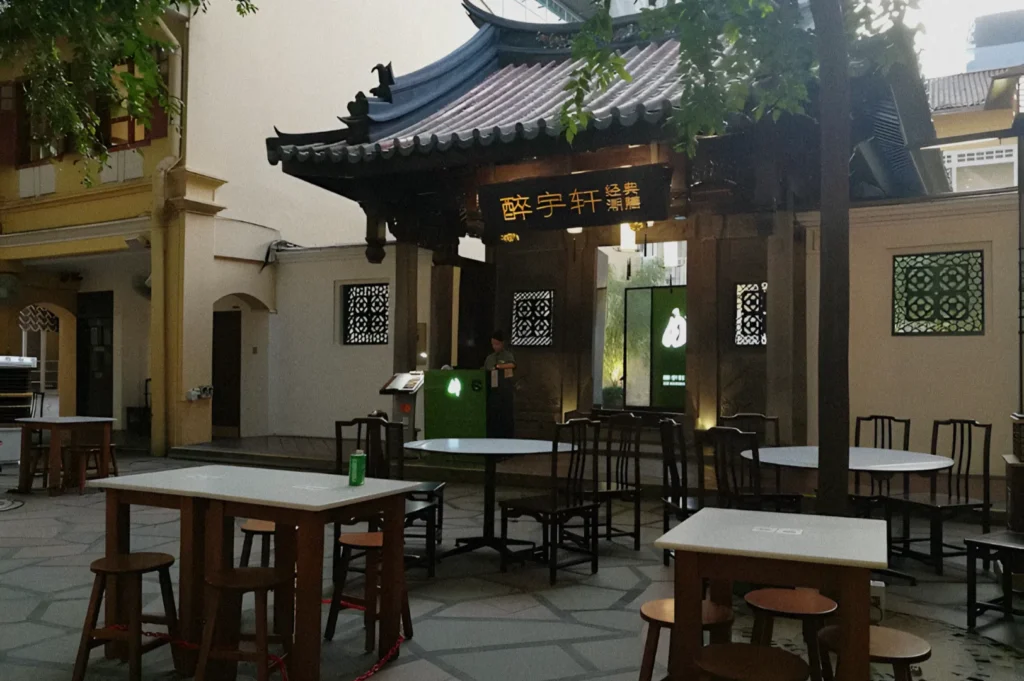
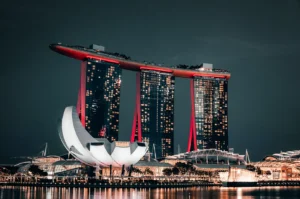
There is a reluctance to break the spell when the bill is settled. Pushing back the heavy wooden chair, you leave the quiet sanctuary of the dining room and step back out into the paved courtyard. The night air feels slightly cooler now. The towering skyscrapers of the financial district loom above the heritage rooftops, their lights glowing against the dark sky.
The city is still there, moving at its usual, unrelenting pace. But for a few hours, within the carved wooden walls of Zui Yu Xuan, time seemed to slow down. The meal was not an event to be heavily analysed or loudly celebrated. It was simply a quiet, beautifully executed pause, leaving behind a lingering sense of stillness and the memory of a truly grounded experience.