Singapore is one of those places where food is not just something you eat between activities. It is the activity.
You can start the day with kaya toast in a busy coffee shop, head to a hawker center for a good lunch in Singapore and choose between chicken rice, laksa, and char kway teow, then end with chili crab and sauce all over your fingers.
That is the beauty of eating in Singapore. The food tells you so much about the country: its history, its mix of cultures, its love for bold flavors, and its practical approach to good meals. You do not need to know every dish before you begin. You just need curiosity, a little appetite, and maybe someone to point you in the right direction.
So if you are wondering what food Singapore is known for, this guide walks you through the classics in a simple, friendly way.
Why Singapore Is Such a Food-Loving Country
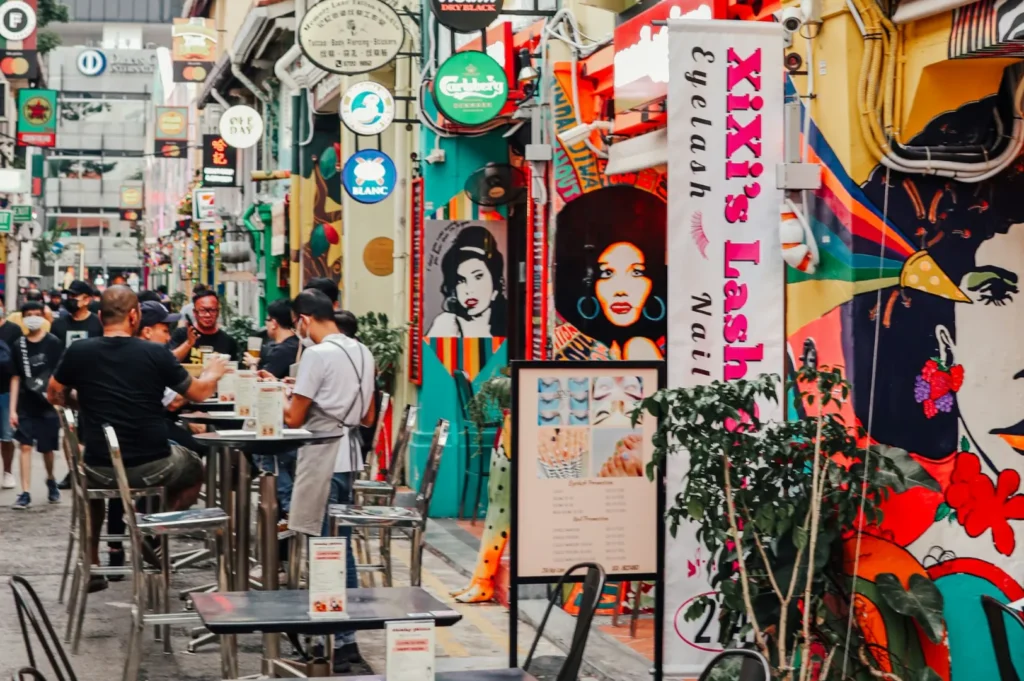
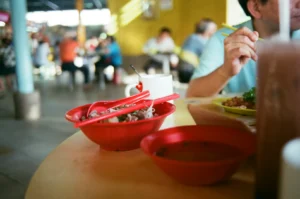
Singapore’s food culture is shaped by Chinese, Malay, Indian, Peranakan, and Eurasian influences. You see that mix everywhere, especially in hawker centers, coffee shops, and neighborhood eateries.
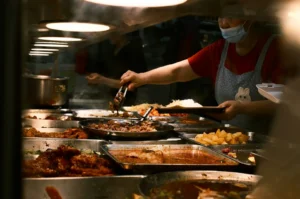
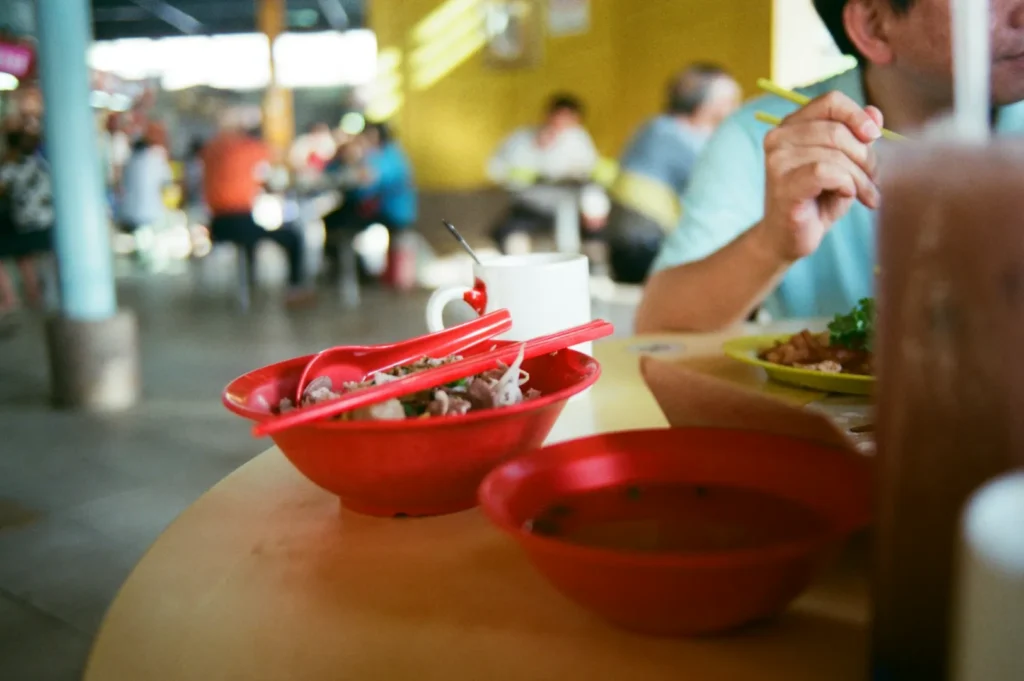
What I love most is how everyday the best food can feel. Some of the most memorable meals are not served in fancy dining rooms. They are handed over on plastic trays, eaten at shared tables, and enjoyed while the lunch crowd moves around you.
Singapore is known for food that is:
- Flavorful and comforting
- Affordable in many hawker centers
- Deeply tied to culture and tradition
- Easy to share
- Full of variety, from breakfast to supper
If it feels overwhelming at first, that is completely normal. The good news is that you do not have to try everything in one day. Singapore food is best explored slowly, one dish at a time.
Chicken Rice: The Dish Everyone Talks About
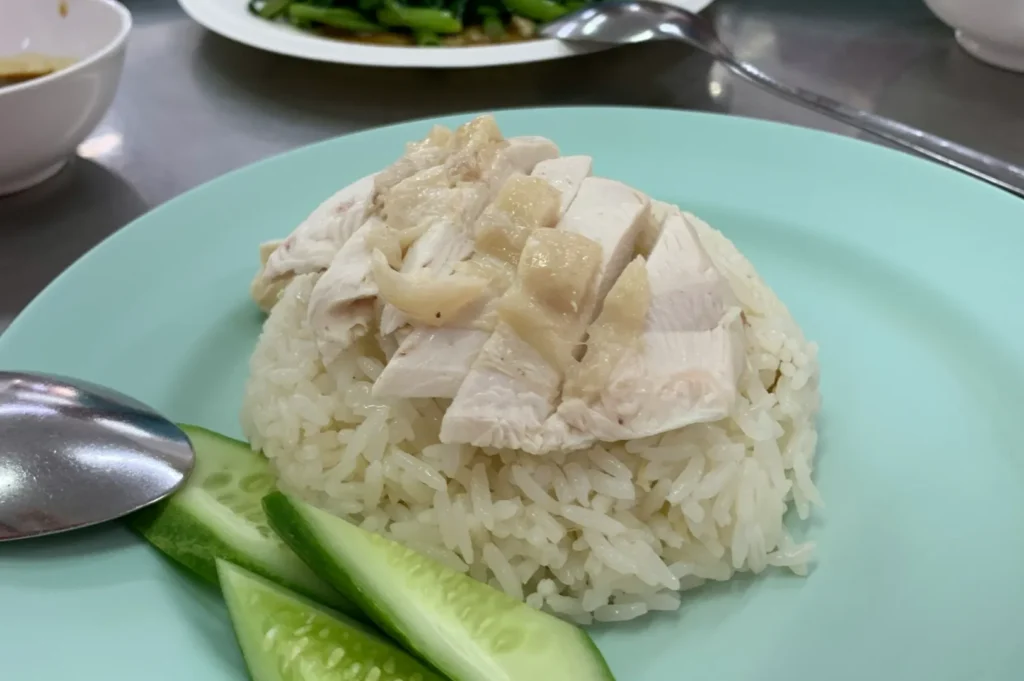
If Singapore had one unofficial national comfort food, Hainanese chicken rice would be a strong contender.
At first glance, it looks simple: poached or roasted chicken, fragrant rice, chili sauce, ginger paste, and a light soup. But the magic is in the details. The rice is cooked with chicken fat, garlic, and pandan, which gives it the aroma people keep coming back for.
The chicken should be tender, the rice should be flavorful enough to eat on its own, and the chili should bring everything to life.
Why People Love It
Chicken rice is gentle but satisfying. It is not a loud dish, but it has a quiet confidence. It is also easy for first-time visitors to enjoy because the flavors feel familiar while still being very Singaporean.
If you are not sure where to start, chicken rice is always a safe first meal.
Laksa: Creamy, Spicy, and Full of Character
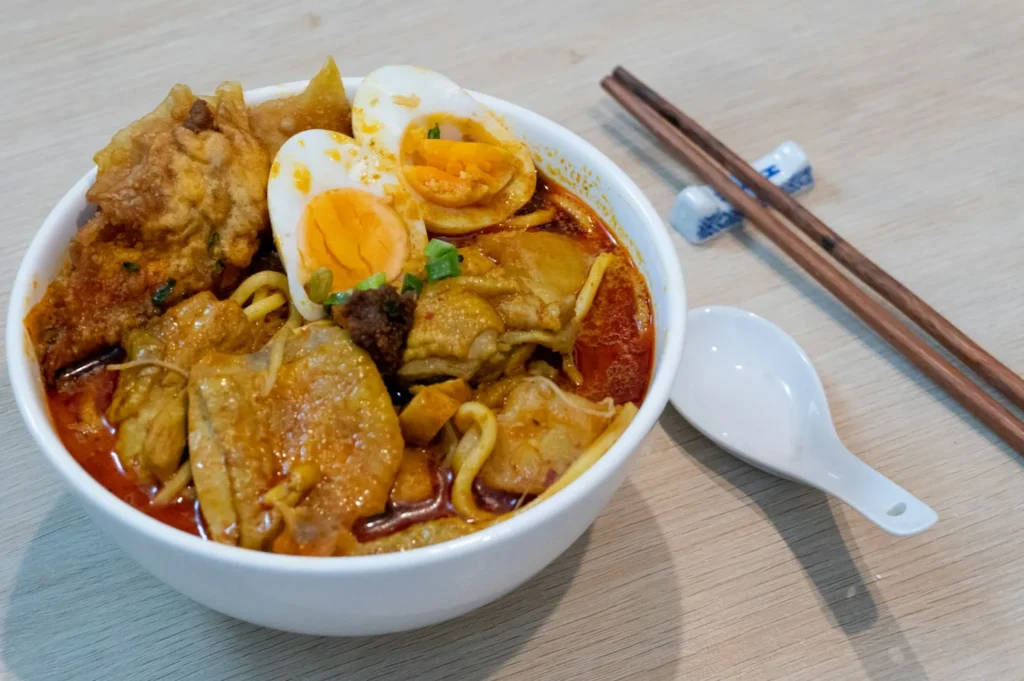
Laksa is one of those dishes that feels like a warm hug with a little kick. In Singapore, people often talk about Katong laksa, a version made with thick rice noodles in a coconut-based curry broth.
The soup is creamy, savory, and lightly spicy, usually with prawns, fish cake, cockles, and bean sprouts. The noodles are often cut shorter, so you can eat them with just a spoon.
Why People Love It
Laksa is rich without feeling too heavy when done well. The coconut milk gives it body, while the spice blend adds depth.
If you like curry flavors, seafood, and noodles, laksa should be high on your list.
Chili Crab: Messy, Saucy, and Worth the Effort
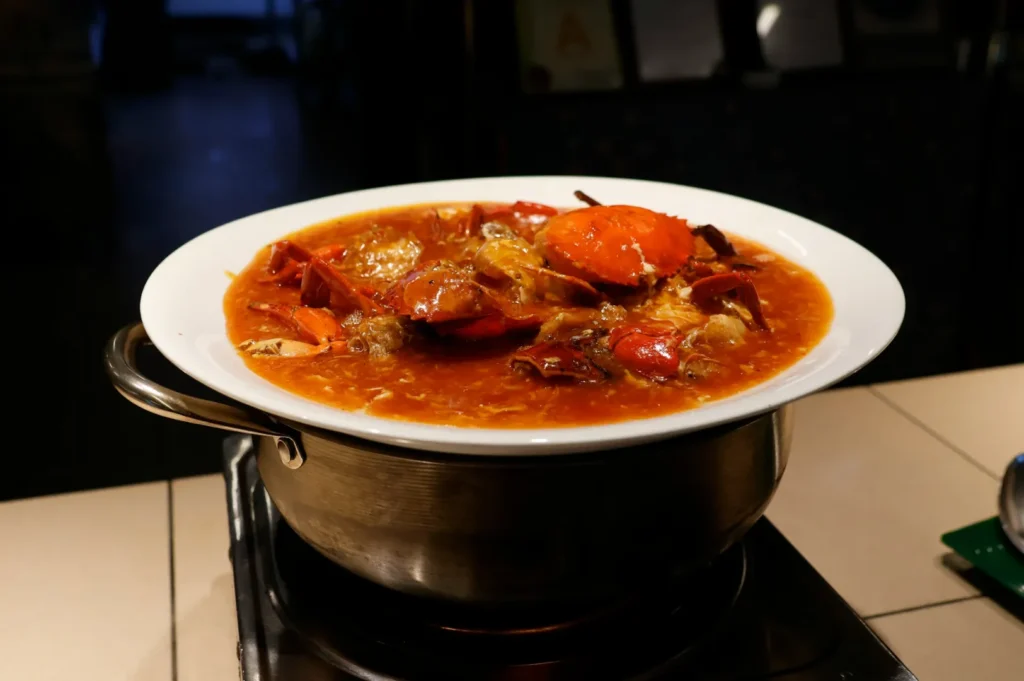
Chili crab is one of Singapore’s most famous dishes, and yes, it can be messy. That is part of the fun.
Despite the name, chili crab is usually more sweet and savory than fiercely spicy. The crab is cooked in a thick tomato-chili sauce, often enriched with egg. It is bold, glossy, and best eaten with fried mantou buns for dipping.
Why People Love It
Chili crab feels like a celebration dish. It is not usually the fastest or cheapest meal, but it is memorable. You crack shells, scoop sauce, pass plates around, and accept that your hands will not stay clean.
My tip: do not wear white, and do not skip the mantou.
Satay: Smoky Skewers Made for Sharing
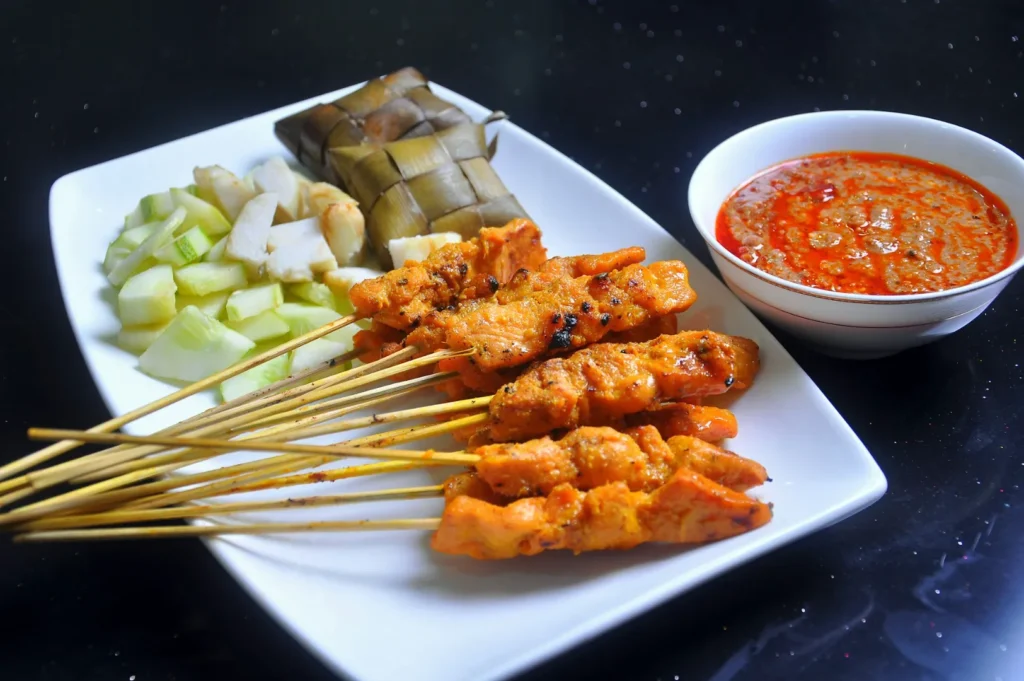
Satay is simple in the best way. Skewers of marinated meat are grilled over charcoal until smoky and slightly charred, then served with peanut sauce, cucumber, onions, and rice cakes.
You will usually find chicken, beef, and mutton satay, though options vary depending on where you go.
Why People Love It
Satay is social food. It is easy to share, easy to order more of, and perfect when you want something flavorful but not too heavy.
The peanut sauce is key. It should be nutty, slightly sweet, and rich enough to coat each skewer without overpowering the smoky meat.
Hainanese Curry Rice: Comfort on a Plate
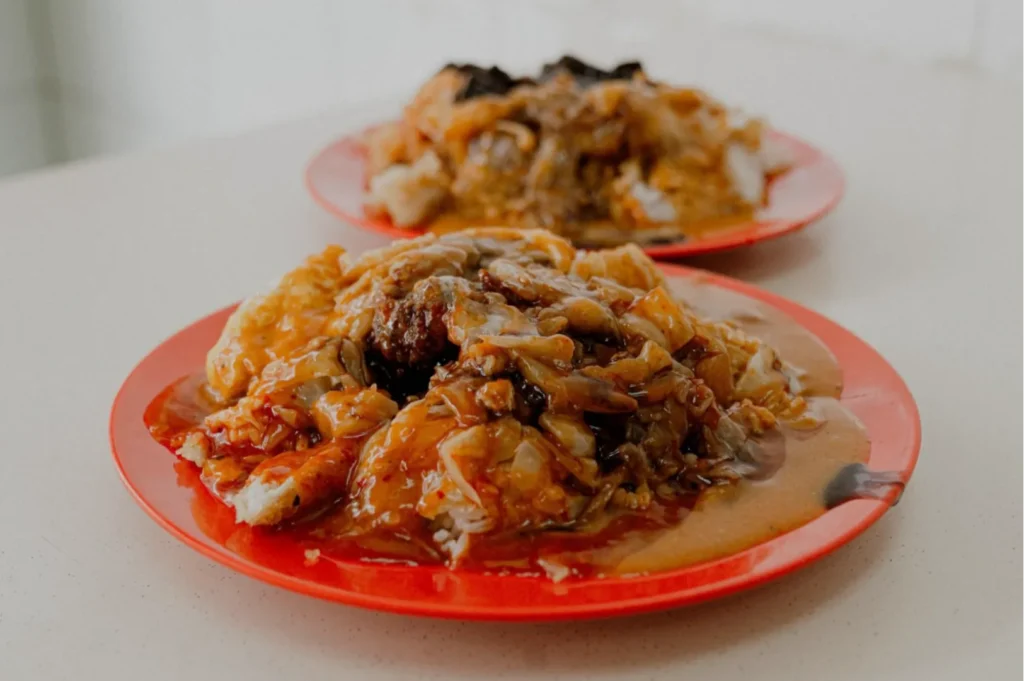
Hainanese curry rice is one of those dishes that may not look polished, but tastes deeply comforting.
You usually choose from items like crispy pork chop, braised cabbage, fried egg, curry chicken, or chap chye. Everything is served over rice, then covered with curry and sometimes dark braising sauce.
It is messy, saucy, and wonderfully satisfying.
Why People Love It
This is everyday comfort food. The curry is usually mild, smooth, and slightly sweet, so it is easy to enjoy even if you do not love very spicy food.
It is the kind of plate you eat when you want something filling, nostalgic, and fuss-free.
Char Kway Teow: Smoky Fried Noodles With Big Flavor
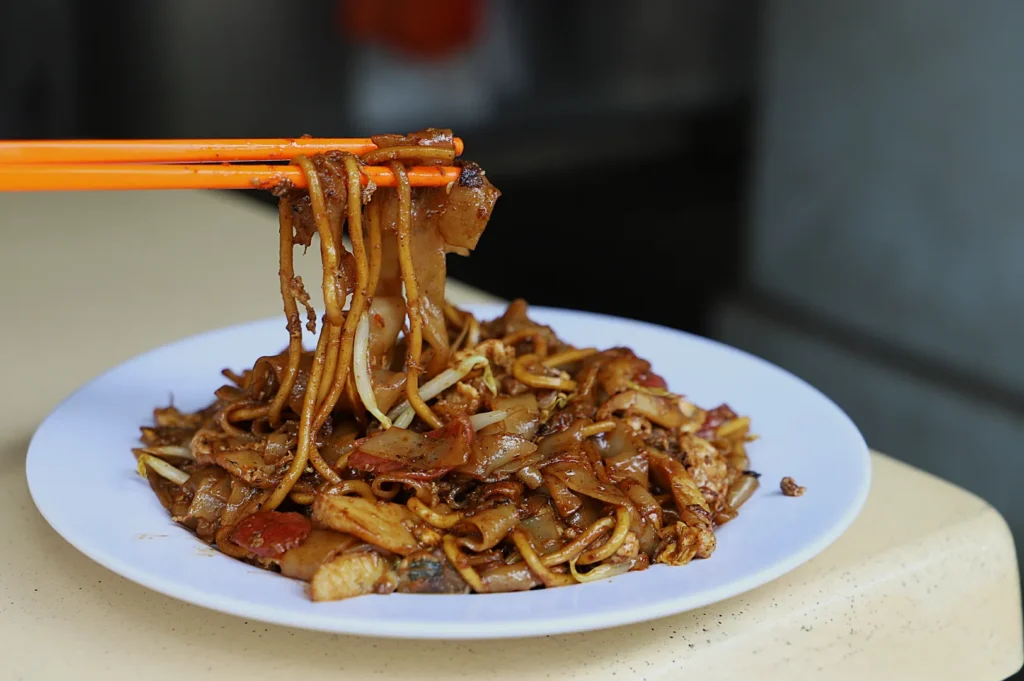
Char kway teow is a wok-fried noodle dish made with flat rice noodles, egg, Chinese sausage, bean sprouts, cockles, and often a mix of dark soy sauce and chili.
The best versions have something people call “wok hei,” which means the smoky aroma that comes from high-heat wok cooking.
Why People Love It
Char kway teow is rich, savory, and full of texture. The noodles are soft and slippery, the bean sprouts add crunch, and the smoky flavor makes it hard to stop eating.
It is not exactly light, but it is deeply satisfying. If you enjoy fried noodles, this is one to try.
Roti Prata: Crispy, Flaky, and Perfect With Curry
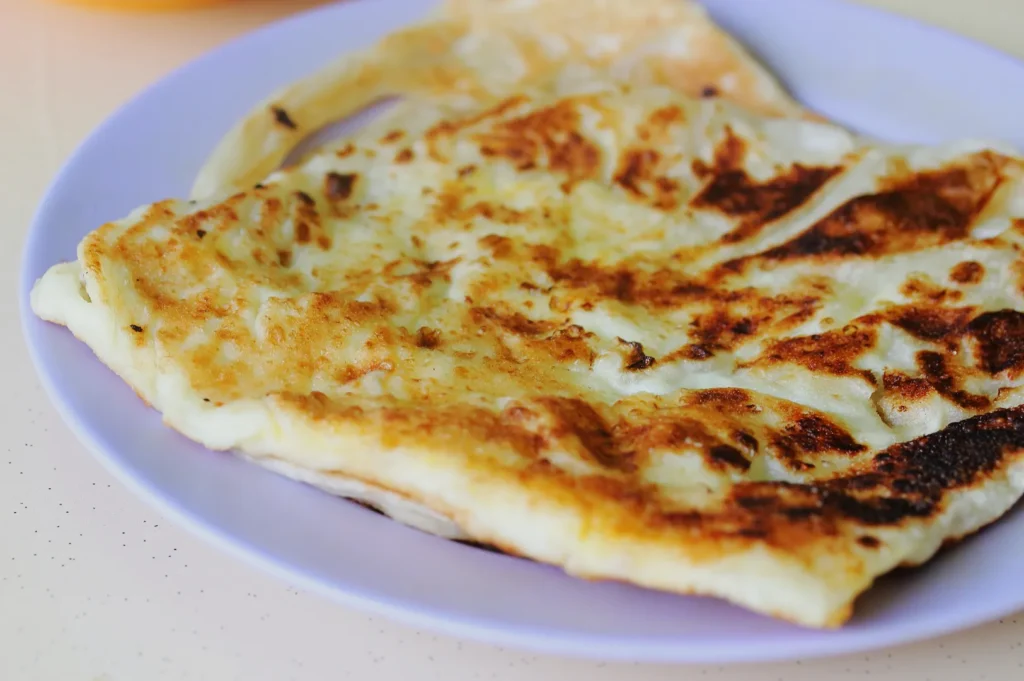
Roti prata is a South Indian-influenced flatbread that is crispy on the outside and chewy inside. It is usually served with curry, and you can order it plain or with fillings like egg, cheese, onion, or banana.
It is popular for breakfast, supper, and honestly, any time you want something warm and comforting.
Why People Love It
Roti prata is all about texture. A good prata should be crisp at the edges, soft in the middle, and satisfying when dipped into curry.
If it is your first time, start with plain prata or egg prata. Simple is often best.
Nasi Lemak: Fragrant Rice With All the Good Things
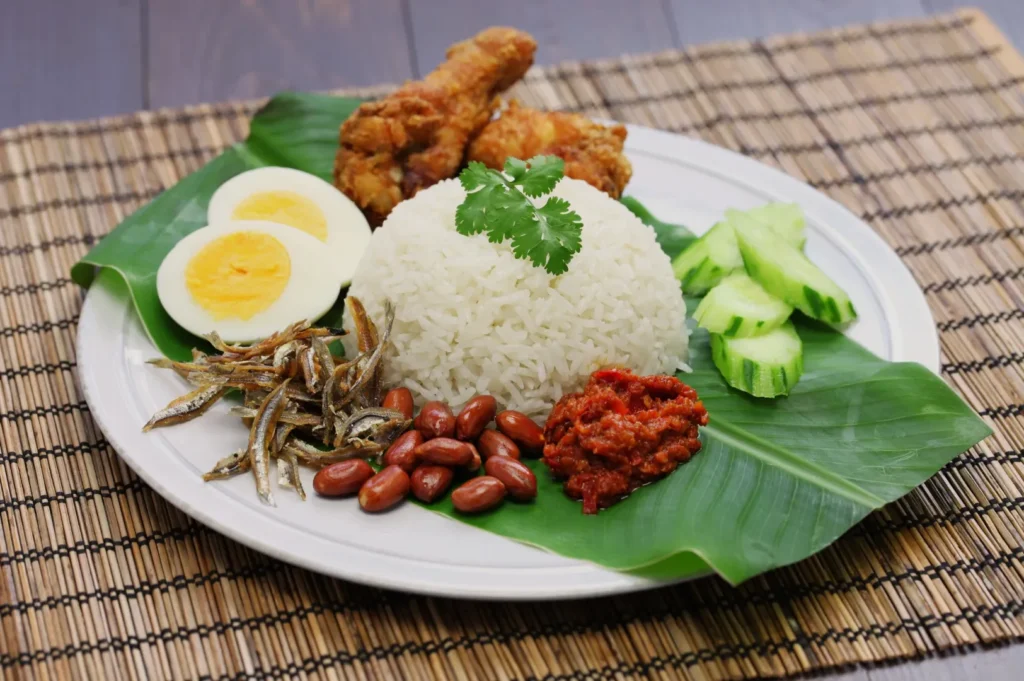
Nasi lemak is a Malay dish built around coconut rice, usually served with sambal chili, fried anchovies, peanuts, cucumber, and egg. Many versions also come with fried chicken, fish, or other sides.
The rice is the heart of the dish. It should be fragrant, slightly rich, and good enough to enjoy even before you mix in the sambal.
Why People Love It
Nasi lemak gives you a little bit of everything: creamy rice, spicy sambal, crunchy peanuts, salty anchovies, and a protein to round it out.
It is balanced, flavorful, and easy to love.
Kaya Toast: Singapore’s Classic Breakfast
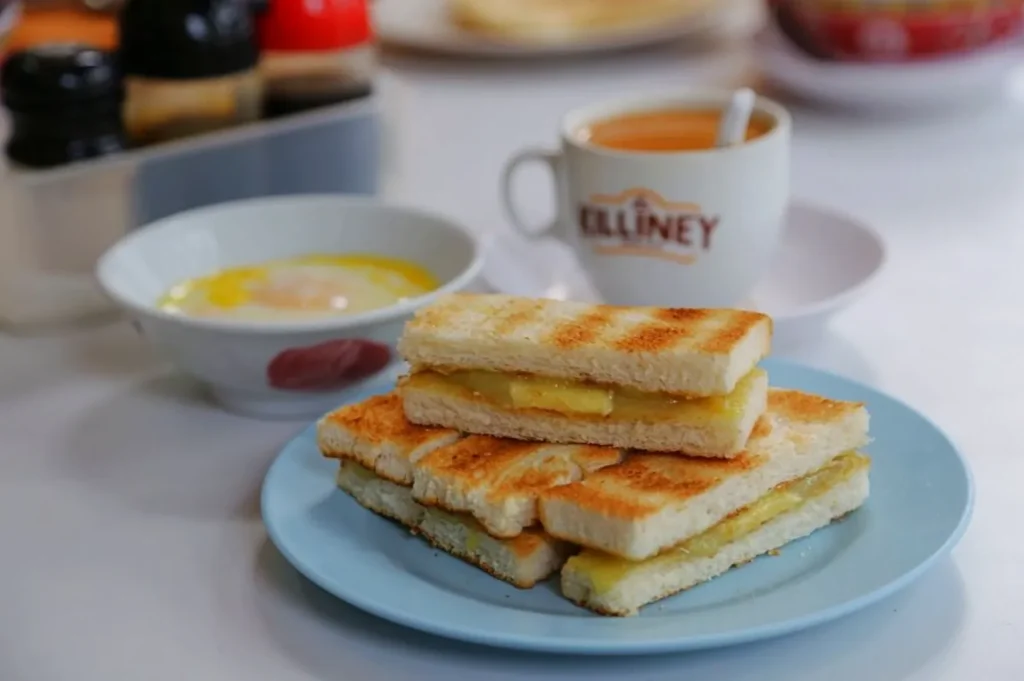
Kaya toast is a breakfast favorite made with toasted bread, kaya coconut jam, and slices of cold butter. It is usually served with soft-boiled eggs and kopi, Singapore-style coffee.
You crack the eggs into a small bowl, add soy sauce and white pepper, then dip or spoon your toast alongside it.
Why People Love It
Kaya toast is simple, nostalgic, and comforting. The kaya is sweet and fragrant, the butter adds richness, and the eggs bring that savory balance.
It is also one of the easiest ways to start your food journey in Singapore. No big decisions, no complicated ordering, just breakfast done right.
Must-Try Singapore Foods for First-Time Visitors
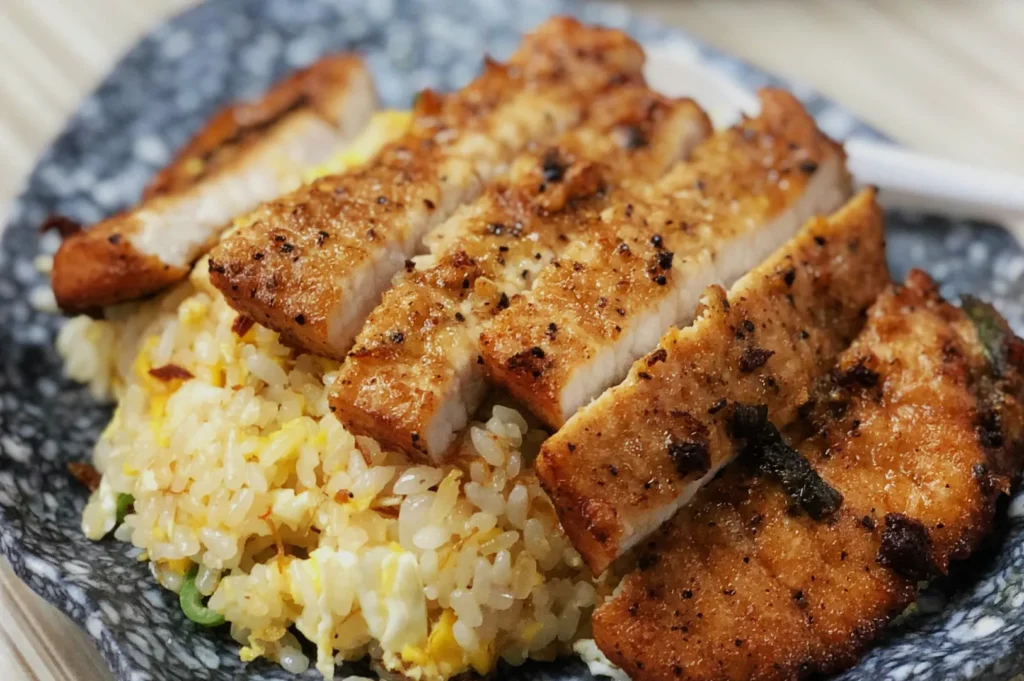
If you are visiting Singapore for the first time, here is a simple starter list:
- Chicken rice for an easy, comforting classic
- Laksa if you love creamy, spicy noodles
- Chili crab for a memorable group meal
- Satay for smoky skewers and peanut sauce
- Hainanese curry rice for saucy comfort food
- Char kway teow if you enjoy wok-fried noodles
- Roti prata for crispy flatbread with curry
- Nasi lemak for coconut rice with bold sides
- Kaya toast for a classic Singapore breakfast
You do not need to eat them all in one trip, but this list gives you a lovely starting point.
Quick Tips for Eating Your Way Through Singapore
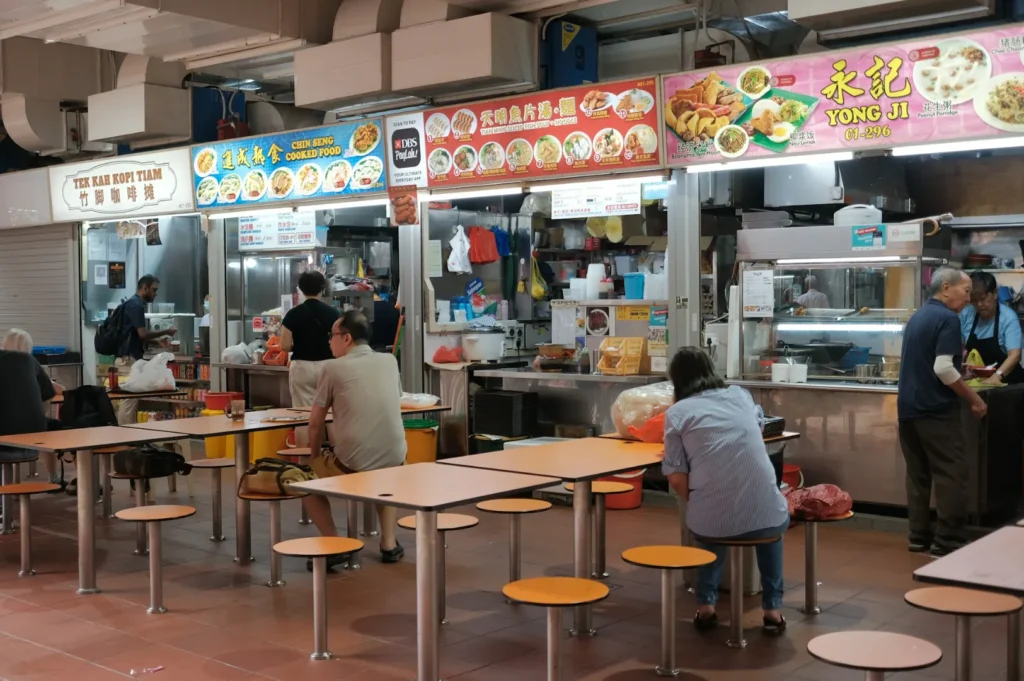
Singapore’s food scene is exciting, but it can feel like a lot when you first arrive. These tips can help:
- Start at a hawker center. It is one of the best ways to experience variety in one place.
- Go during off-peak hours. Late morning or mid-afternoon can be easier than the lunch rush.
- Bring tissues. Many casual spots do not provide napkins at the table.
- Share when possible. This lets you try more dishes without getting too full.
- Follow the queues, but trust your taste too. A long line can be a good sign, but the best dish is still the one you enjoy.
- Do not over-plan every meal. Some of the nicest food moments happen when you wander a little.
Conclusion: Explore Singapore One Dish at a Time
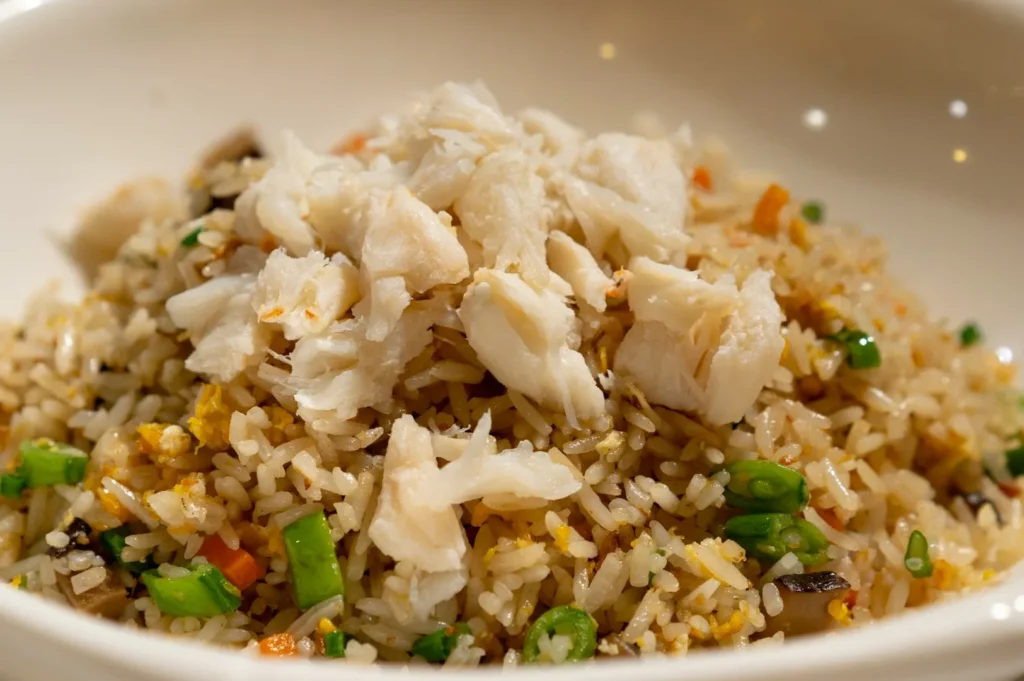
Singapore is known for food that feels generous, layered, and full of personality. From the quiet comfort of chicken rice to the bold sauce of chili crab, each dish gives you a small window into the country’s culture and everyday life.
If you are new to Singapore food, start simple. Pick one dish, find a busy stall, and enjoy the experience without rushing through it. Then do it again with something different the next day.
That is the nicest way to eat here, I think. One plate, one bowl, and one delicious little discovery at a time.