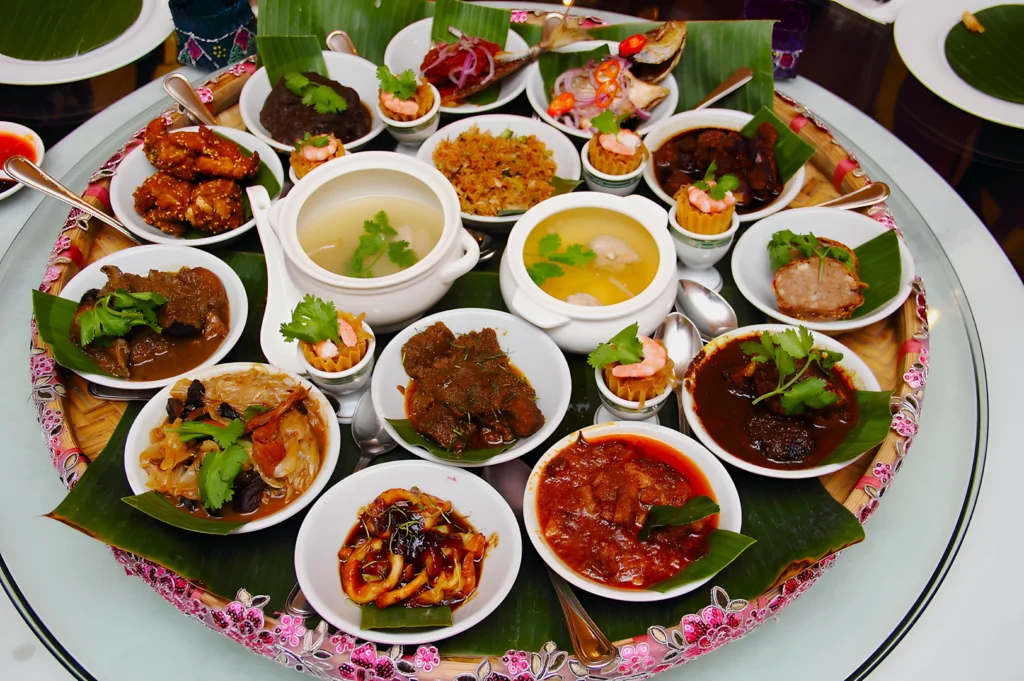
There are certain foods that feel like they hold a whole world of stories within them, and for me, Peranakan curry is one of them. You might have seen it on a menu, perhaps called ayam buah keluak or a rich, orange-hued chicken curry, and felt a pull of curiosity mixed with a little uncertainty. I know that feeling well. Before I ever tasted it, the idea of a Peranakan curry seemed so complex, so full of history, that I almost felt I needed to study up on it first.
But the beautiful thing about food is that you do not need to be an expert to enjoy it. Your only job is to be open to the experience. So, if you have been wondering about these famous curries, let us explore what it is like to try one for the first time, together. There is no test at the end, I promise.
The First Impression: Aroma and Colour
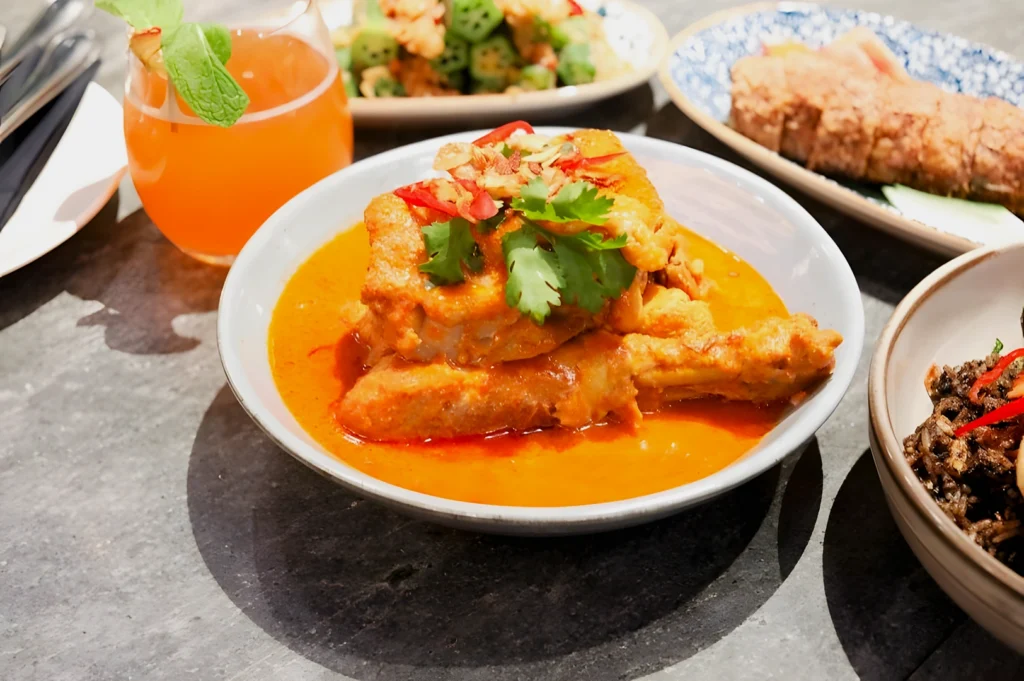
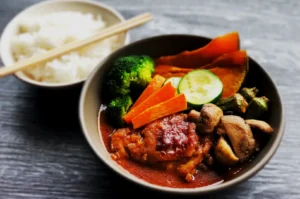
Before you even take a bite, a Peranakan curry makes its presence known. When the bowl arrives at your table, the first thing you will likely notice is the colour. It is often a deep, inviting shade of orange, red, or rich brown, hinting at the complex blend of ingredients within. You might see a glossy sheen of coconut oil on the surface, a sign of a curry that has been simmered slowly and with great care.
Then comes the aroma. It is not just one scent, but a whole bouquet. You might pick up the fragrance of lemongrass, the warmth of galangal, and the subtle earthiness of turmeric. It is a smell that is both comforting and intriguing. It does not shout at you with aggressive spice, but rather invites you in with its aromatic warmth. It smells like a dish that has taken time, a dish with a soul.
The First Taste: Richness Without Heaviness
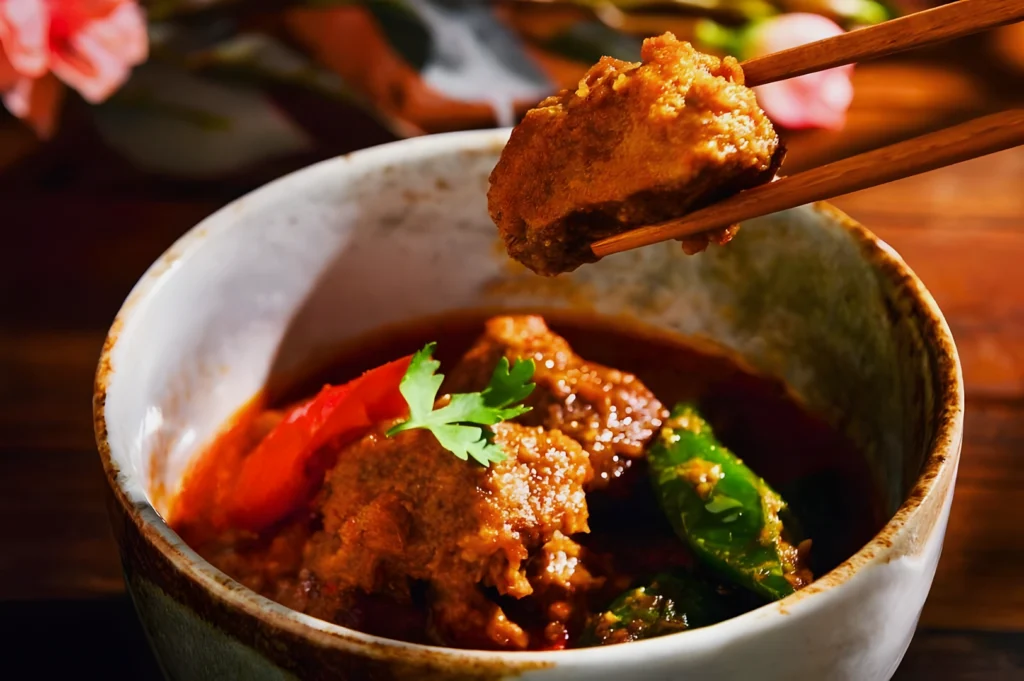
Your first spoonful might be a little surprising. Many people, myself included, expect an overwhelming wave of heat or spice. But often, the first thing you taste in a Peranakan curry is a wonderful, layered richness. This comes from the heart of the curry, a spice paste called rempah.
A rempah is made by pounding together a whole host of ingredients, like shallots, garlic, chilies, and candlenuts, until they form a thick, fragrant paste. This paste is then slowly fried in oil until it is deeply aromatic. It is this patient process that gives the curry its incredible depth of flavour.
The richness is often balanced by the creamy sweetness of coconut milk and the subtle tang of tamarind. So, while the flavour is profound, it does not always feel heavy. It is a full-bodied experience, but one that is carefully balanced. You might find a gentle warmth from the chilies that builds slowly, rather than a sharp, instant heat. It is a pleasant glow, not a fire.
Understanding the Texture
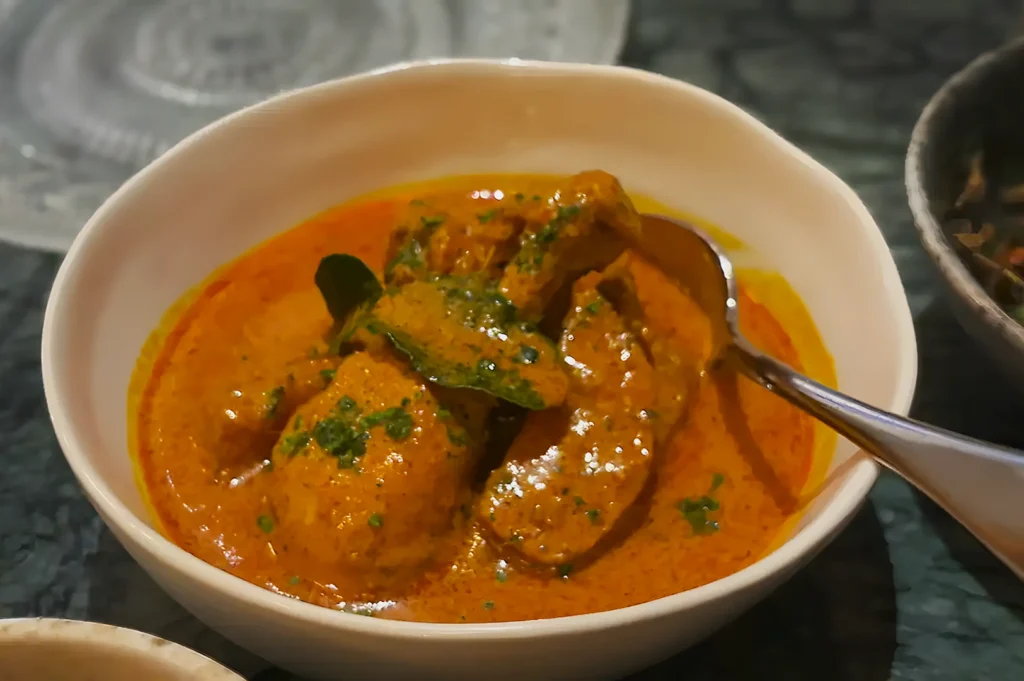
The texture of a Peranakan curry is just as important as its flavour. The sauce itself is usually smooth and velvety from the coconut milk, clinging beautifully to whatever is in it. Often, that is tender pieces of chicken that are so soft they are practically falling off the bone. You might also find soft-cooked potatoes that have absorbed all the wonderful flavours of the curry.
One of the most unique ingredients you might encounter is the buah keluak. This is a large, black nut that has a very distinctive taste. It is earthy, smoky, and a little bitter, almost like a dark, savoury chocolate. The nut is hard, and the rich, dark paste is scooped out from the inside. It has a texture that is dense and almost creamy. Trying it for the first time is a real experience. It might be an unfamiliar taste, but it is one that is central to some of the most beloved Peranakan dishes.
How It Is Eaten
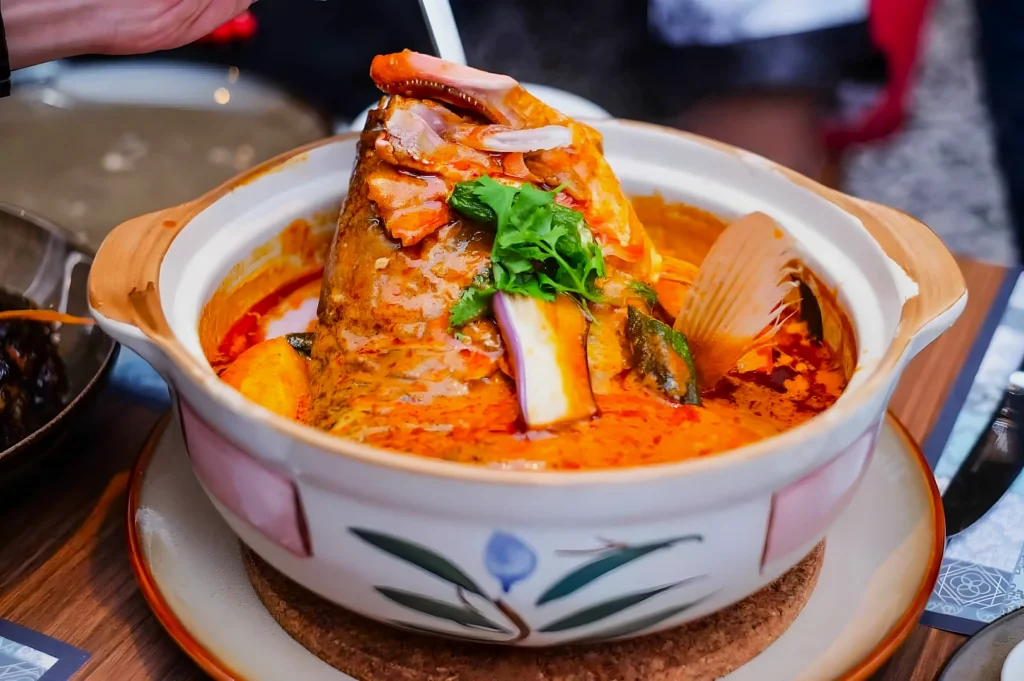
A Peranakan curry is almost always served with a bowl of fluffy white rice. The rice is not just a side dish, it is an essential partner. It provides a neutral, comforting base that allows the complex flavours of the curry to shine. It is also the perfect vehicle for soaking up every last drop of that delicious sauce.
When you eat, you can spoon a little of the curry and its ingredients over your rice. There is no right or wrong way to do it. Just let your comfort be your guide. Some people like to mix it all up, while others prefer to keep things separate. The portion size of a curry is usually generous and meant to be shared, so you do not have to feel pressured to finish a whole bowl by yourself if you are dining with others.
You Do Not Need to Know Everything to Enjoy It
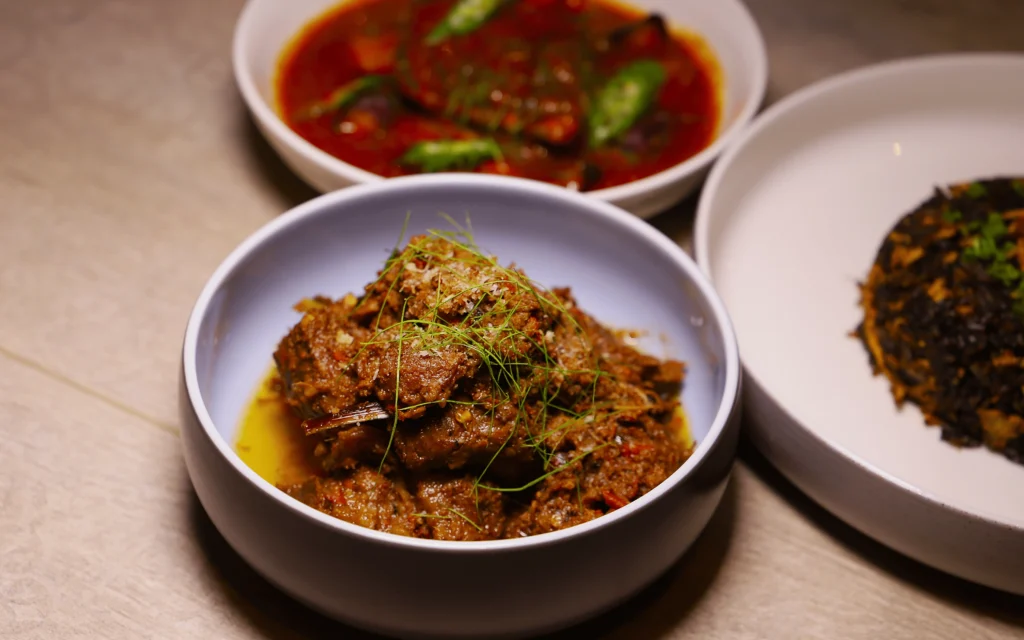
Taking your first step into the world of Peranakan cuisine can feel like you are stepping into a rich and complex culture. And you are. But you are also just trying a delicious bowl of food that has been made with a lot of love. You do not need to know the name of every spice or the history of every dish to appreciate it.
If you are unsure about the spice level, you can always ask the restaurant staff. They can often guide you to a milder curry if you are feeling hesitant. Your curiosity is the only thing required. Allow yourself to taste, to notice, and to feel. The experience is not about getting it right, but about being open.
So, the next time a Peranakan curry crosses your path, I hope you will feel a little more comfortable and a lot more curious. Let the aroma draw you in, and let each spoonful tell you its story. Comfort and understanding often grow from these small, patient first steps.